


How Does a PSA Oxygen Generator Work?
Air Compression
Atmospheric air enters the compressor for pressure elevation. After compression, the air stream becomes the feedstock for the subsequent oxygen separation process.
01
Air Purification and Drying
Filters and dryers form the air pretreatment train for incoming compressed air. They eliminate solid dust, oil aerosols and residual moisture, preventing these impurities from impairing the performance of molecular sieve.
02
Nitrogen Adsorption and Oxygen Separation
Molecular sieve fills the adsorption tower for gas separation. Purified compressed air flows into this bed; nitrogen molecules are selectively captured by the adsorbent at working pressure. Oxygen-enriched gas passes through and flows onward to oxygen storage.
03
Tower Switching and Regeneration
When nitrogen adsorption loading hits the upper limit inside one tower, the controller diverts incoming air to the second tower. Pressure inside the saturated tower drops, releasing captured nitrogen and regenerating the molecular sieve material.
04
Oxygen Storage and Delivery
A buffer tank receives the oxygen-enriched mixture to dampen pressure variation and offset temporary shifts in oxygen draw. From this vessel, gas travels through discharge pipelines to connected production hardware.
05
Key Features of PSA Oxygen Generators for Industrial Operations
On-Site Oxygen Production
Oxygen separation takes place locally using compressed ambient air as raw material. Plant operators decouple their gas supply rhythm from third-party cylinder or bulk transport schedules.
Configurable Oxygen Capacity
System output rating is determined by continuous hourly gas take-off and forecast production fluctuations. Proper sizing eliminates two common risks: insufficient supply under peak load and idle excess capacity that raises capital cost.
Automatic Adsorption Cycle Control
The controller governs the staggered working sequence of paired adsorption towers. It executes automated mode shifts between impurity adsorption and molecular sieve regeneration, removing manual cycling operations.
Industrial Applications of PSA Oxygen Generators
Different industrial processes have different oxygen consumption rates, purity requirements, and delivery pressures. PSA oxygen generation systems can be configured for the following applications.
Metal Cutting & Welding
Oxy-fuel cutting serves as a mainstream thermal processing method for metalworks. The PSA unit delivers oxygen to cutting torches through dedicated pipework. Its output flow and outlet pressure are configured to match the count of active workstations and cutting technique specifications.
Glass Production
Oxygen enrichment is implemented inside glass melting furnaces to optimize combustion efficiency. The required oxygen rate and purity are defined by furnace geometry, fuel selection and continuous production parameters.
Aquaculture
Cultivation ponds for fish and crustaceans need stable dissolved oxygen to keep aquatic organisms viable. Oxygen from the generator feeds aeration devices; system sizing follows pond capacity, stocking density and aeration infrastructure layout.
Wastewater Biotreatment
Aerobic bacteria consume oxygen to break down organic pollutants in sewage. The PSA oxygen system pairs with aeration facilities, with its output tuned to the plant's treatment load and bioprocess design.
Why Partner with NEWTEK on PSA Oxygen Generation Projects?
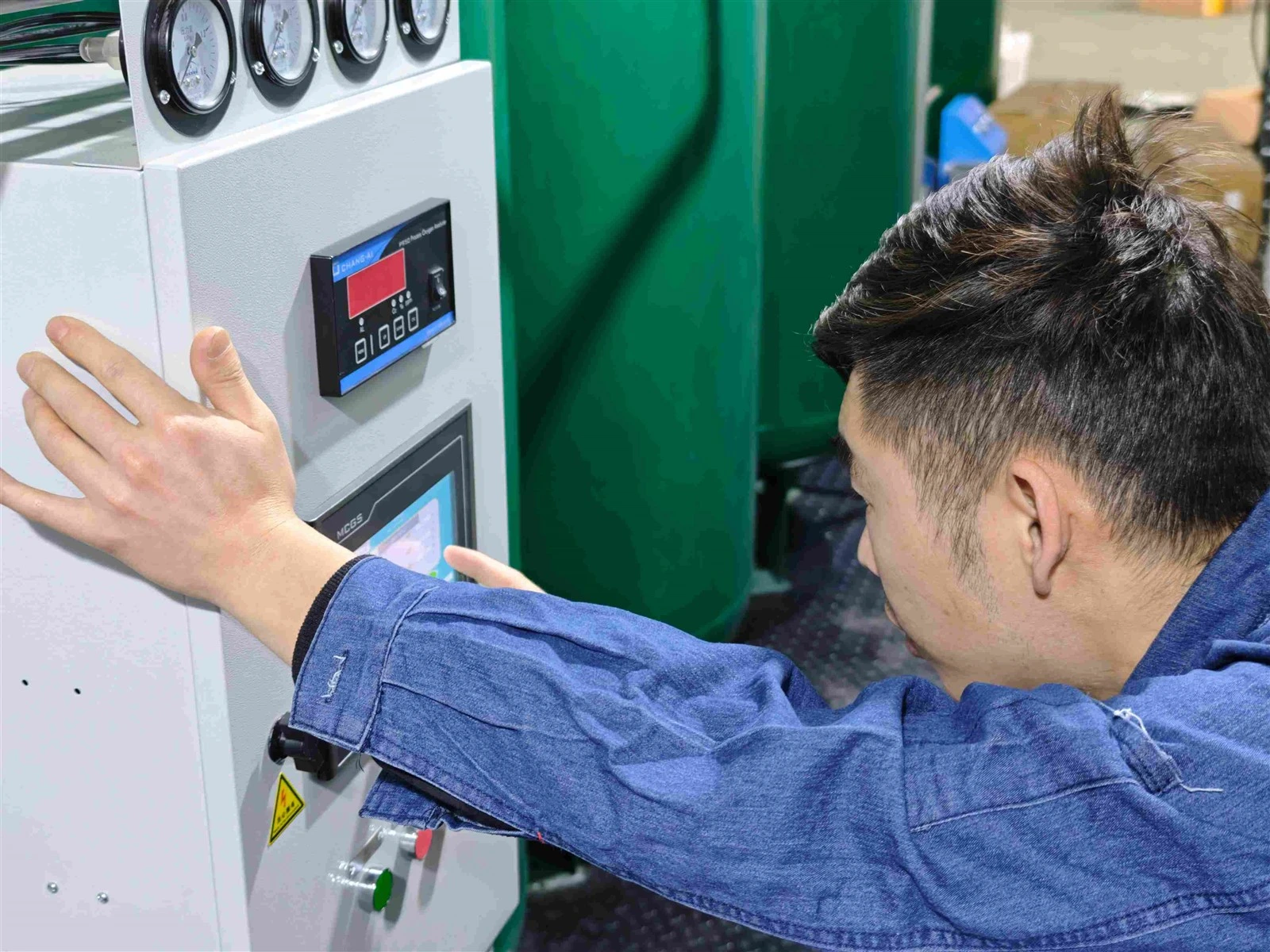
NEWTEK supplies PSA oxygen and nitrogen generation units to satisfy on-site industrial gas supply demands. We tailor equipment models and project layouts according to target gas flow rate, purity level, outlet pressure and on-site installation conditions.
Application-Driven Equipment Sizing
We specify oxygen generation units by matching equipment parameters to production processes and real-time gas consumption data. This data serves as the engineering reference to confirm generator capacity and matching auxiliary parts.
Flexible Installation Layout Options
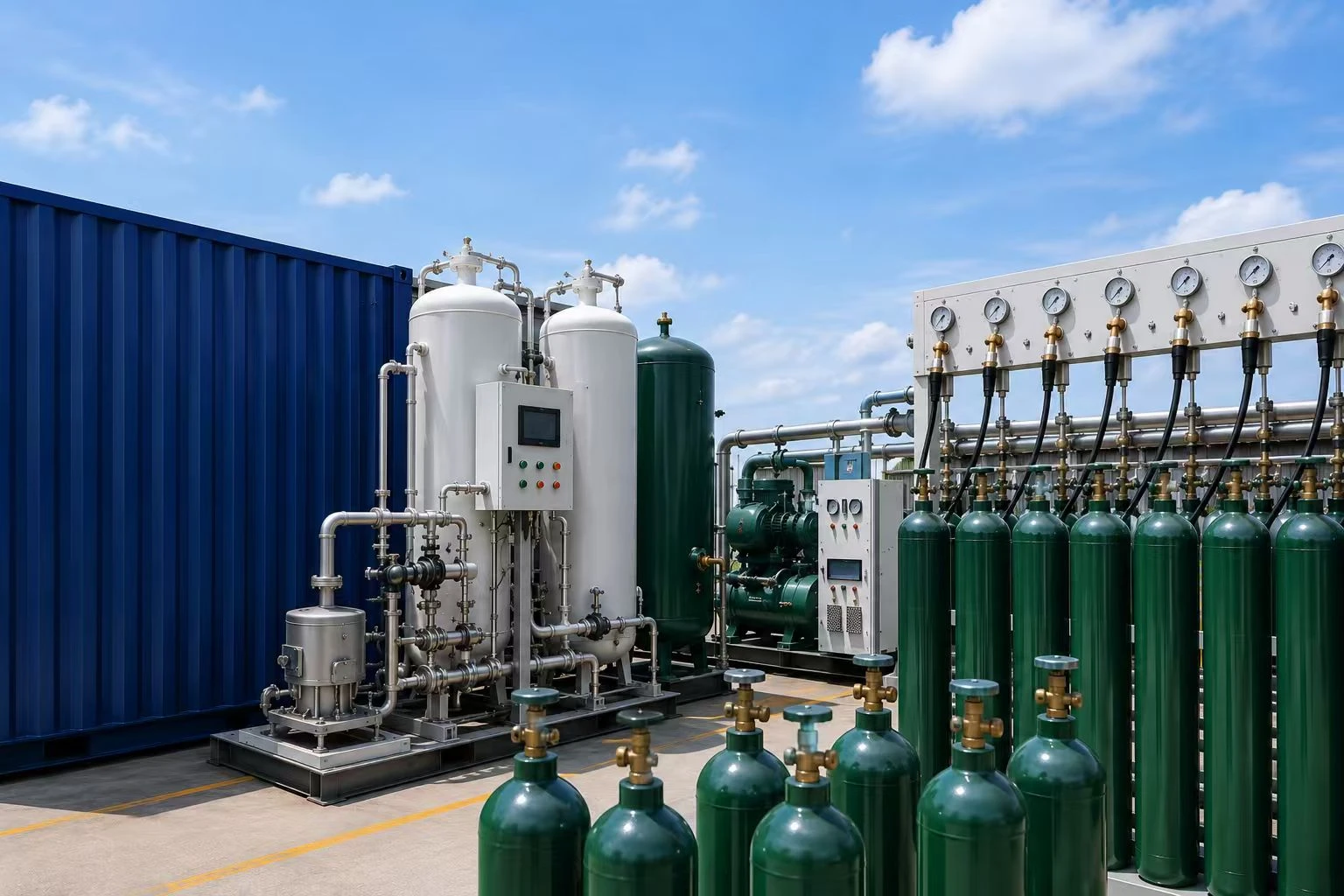
We offer skid-mounted, modular and containerized construction forms to accommodate factory setup and field rollout. The final layout scheme is determined after site space measurement and field condition assessment.
Full-Skidded System Integration
A PSA oxygen generator works as a combined assembly consisting of air compression, air pretreatment, adsorption separation, gas buffer storage and pipeline delivery modules. Evaluating these functional sections as an interconnected system defines the complete bill of equipment for the project.
FAQ
Q: What oxygen purity can a Psa O2 Generator achieve?
A: Standard industrial PSA commonly provide oxygen purity around 90%–93%, with NEWTEK's standard configuration listed at 93% ± 3%. The actual purity depends on the system design, operating conditions, and required oxygen output.
Q: Can a PSA supply oxygen continuously?
A: Yes. The alternating adsorption and regeneration cycles allow multiple adsorption towers to work in sequence. While one tower produces oxygen, another undergoes regeneration, supporting continuous gas production when the system is correctly configured and maintained.
Q: What is the role of molecular sieve in oxygen generation?
A: Molecular sieve selectively adsorbs nitrogen from compressed air under pressure. Oxygen-enriched gas passes through the adsorption tower, while the retained nitrogen is released during the regeneration stage.
Hot Tags: psa generator oxygen, China psa generator oxygen manufacturers, suppliers


