

What is PSA oxygen plant
Pressure Swing Adsorption (PSA) is a new air separation oxygen production method developed in the late 1960s. The main principle is to use the fact that the dipole moment of N2 molecules is greater than that of O2, and the force between the cations in the adsorbent and the dipole moment of N2 is greater than that of O2, so that the equilibrium adsorption capacity of N2 on the adsorbent is higher than that of O2, achieving the purpose of separating nitrogen and oxygen. Pressure swing adsorption has developed rapidly in recent years due to its many advantages such as simple device, high degree of automation, convenient and flexible operation, low investment and low energy consumption. At present, most of the small and medium-sized air separation oxygen production devices have adopted pressure swing adsorption.
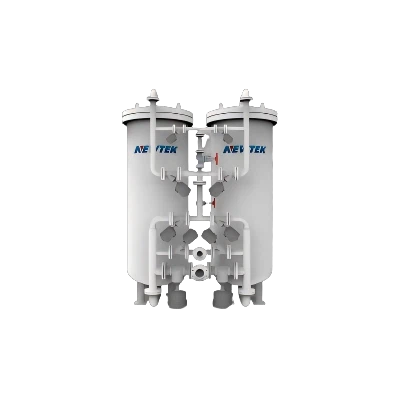
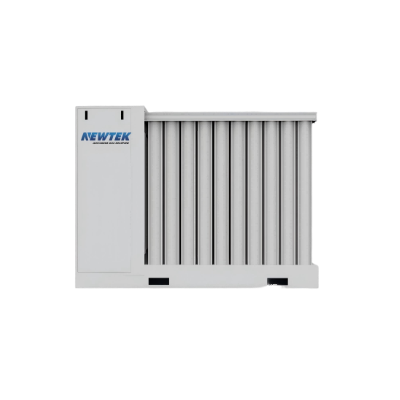
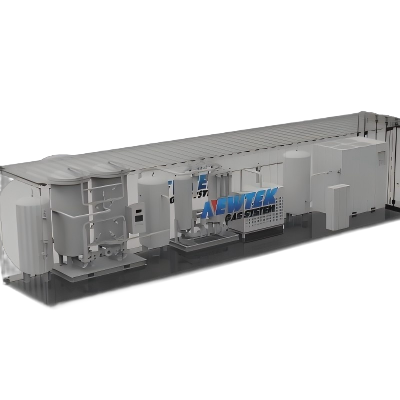
Main Compents of PSA Oxygen Generator

PLC Panel

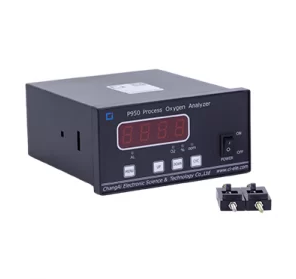
Process oxygen anlyzer ,Core components imported from Germany

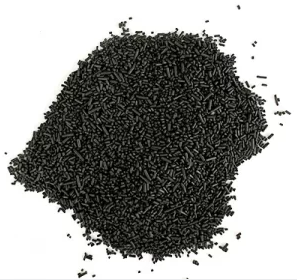
Molecular Sieve from JALOX, UOP ,CMS


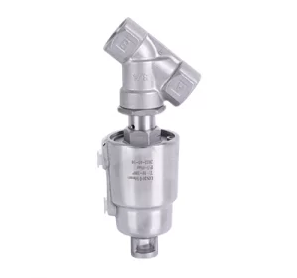
Germany pneumatic valves

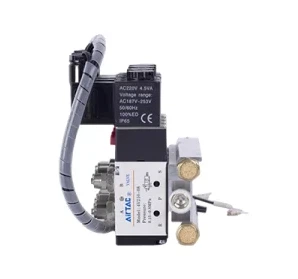
Solenoid valves

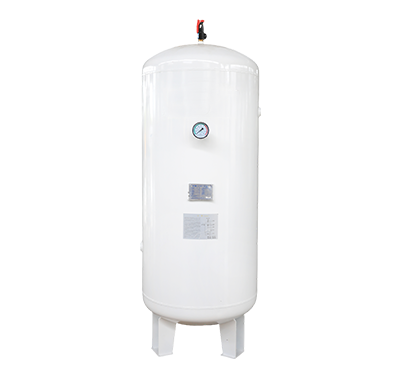
ASME standard air tank

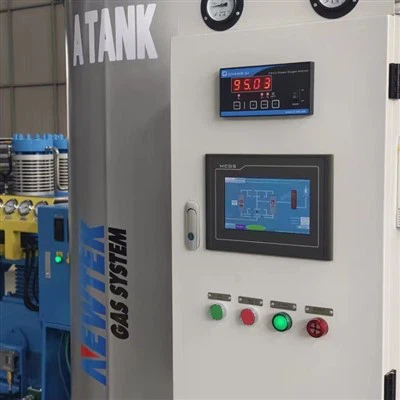


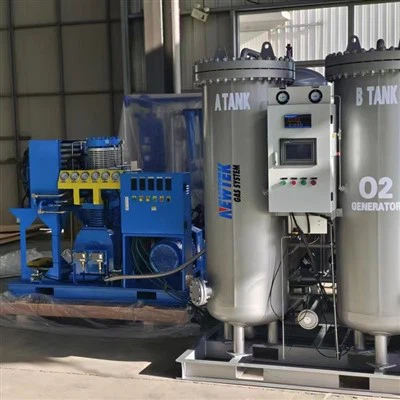
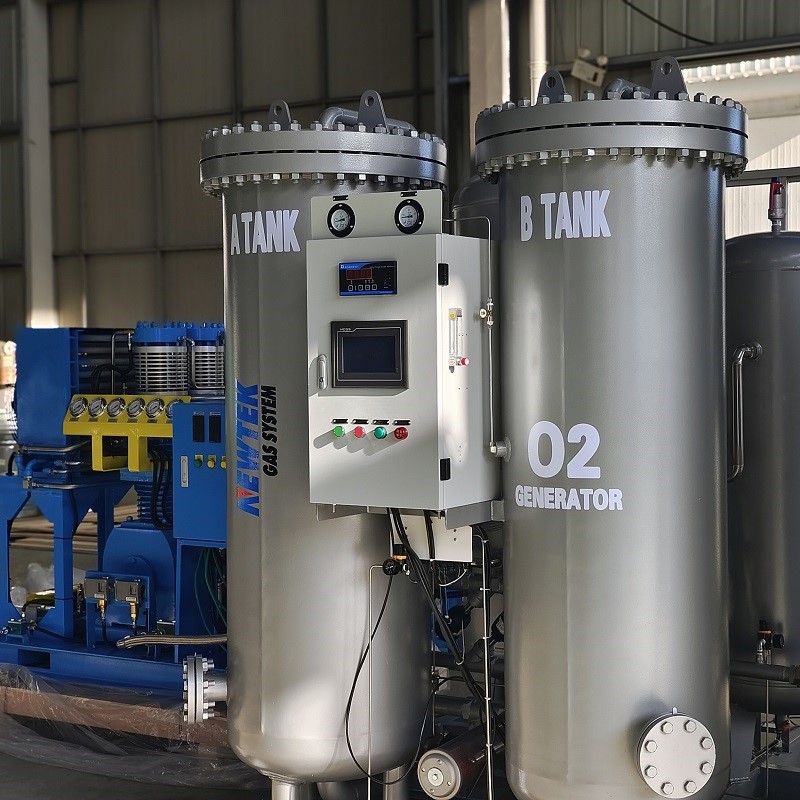
1Nm3/hr-300Nm3/hr PSA Oxygen Generator
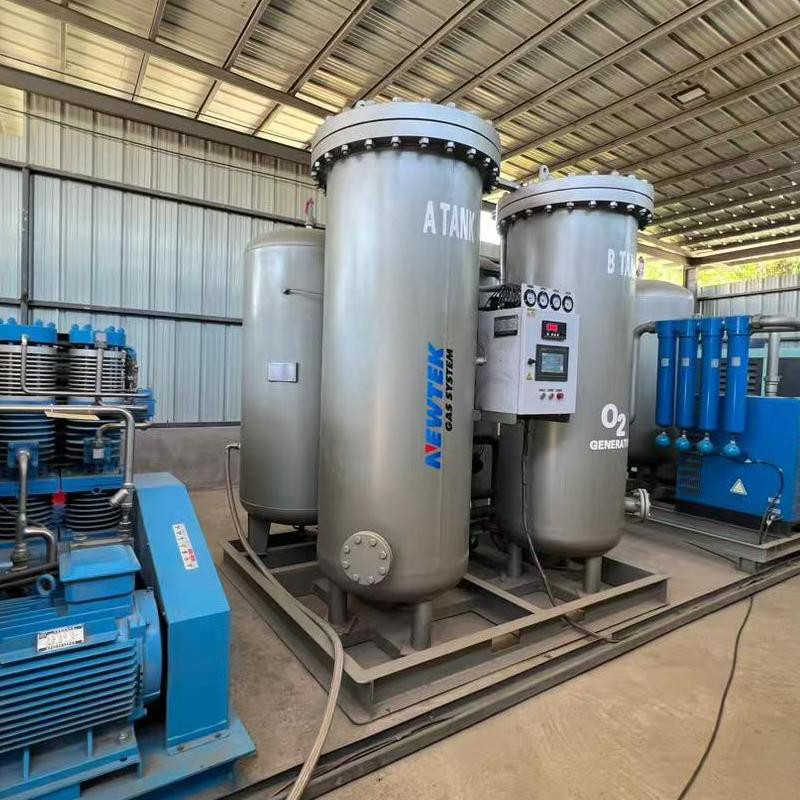

NTK93 Series PSA Oxygen Plant Model Selection |
||||||
No. |
Models |
Capacity (Nm3/hr) |
Purity |
Power consumption of 1Nm3 oxygen produced (kw/h) |
Number of bottles filled in 12 hours (pcs) |
Operator needed |
| 1 | NTK-5P | 5 | 93%+-3% | 3.54 | 10 | 2 |
| 2 | NTK-10P | 10 | 93%+-3% | 2.52 | 20 | 2 |
| 3 | NTK-15P | 15 | 93%+-3% | 2.31 | 30 | 2 |
| 4 | NTK-20P | 20 | 93%+-3% | 2.13 | 40 | 2 |
| 5 | NTK-25P | 25 | 93%+-3% | 2.01 | 50 | 2 |
| 6 | NTK-30P | 30 | 93%+-3% | 2.09 | 60 | 2 |
| 7 | NTK-40P | 40 | 93%+-3% | 1.81 | 80 | 2 |
| 8 | NTK-50P | 50 | 93%+-3% | 1.94 | 100 | 2 |
| 9 | NTK-60P | 60 | 93%+-3% | 1.62 | 120 | 2 |
| 10 | NTK-80P | 80 | 93%+-3% | 1.92 | 160 | 2 |
| 11 | NTK-100P | 100 | 93%+-3% | 1.83 | 200 | 2 |
| Design basis: Altitude:≤500m;RH:≤80%;Temperature:0℃-38℃;Filling pressure: 150Bar 40L Type Standard Cylinder | ||||||
PSA VPSA O2 Plant For Industrial /Medical Use



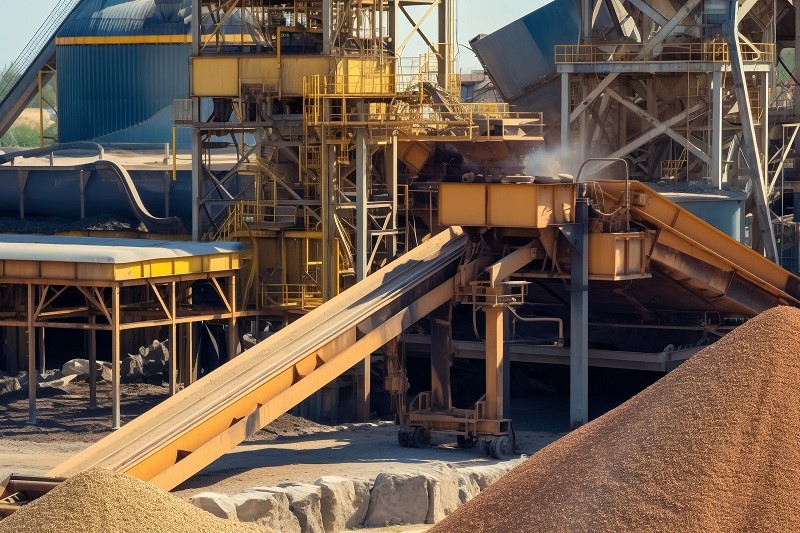
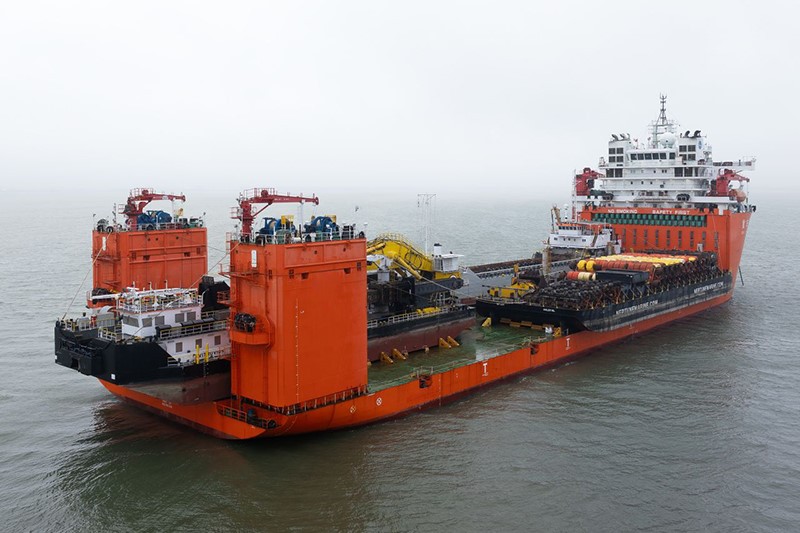
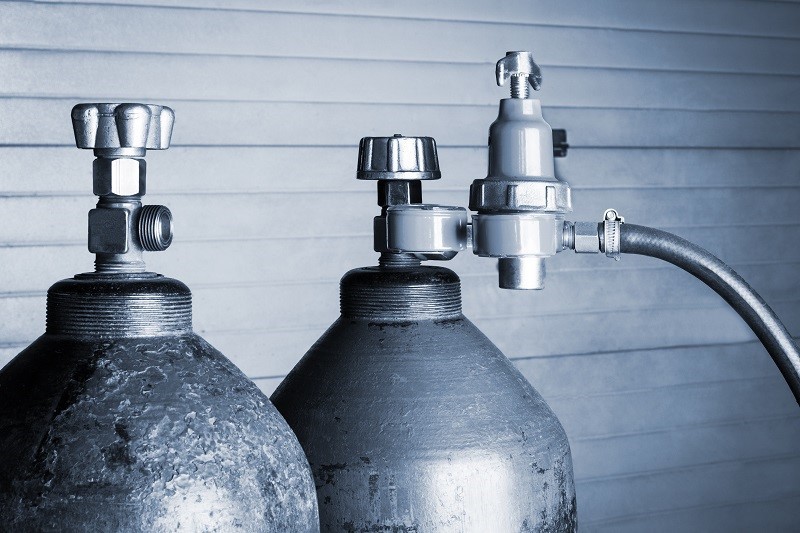
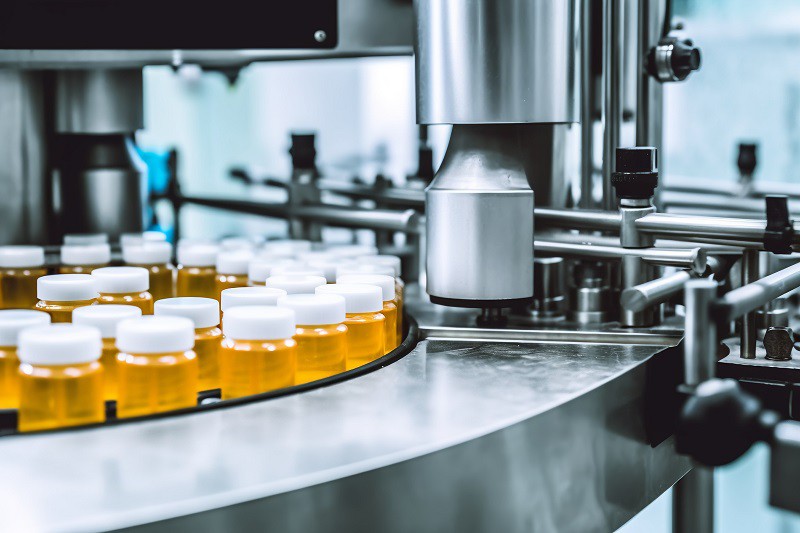
NEWTEK O2/N2 generator installation cases worldwide

PSA Oxygen Generator Case In Saudi Arabia
Oxygen Capacity: 100Nm3/Hr
Oxygen Purity: 93%+-3%
Application: Industrial Oxygen

PSA Oxygen Plant Case In Syria
Oxygen Capacity: 80Nm3/Hr
Oxygen Purity: 93%+-3%
Application: Industrial Oxygen

Oxygen Generation Plant Case In Turkmenistan
Oxygen Capacity: 120Nm3/Hr
Oxygen Purity: 93%+-3%
Application: Industrial Oxygen

Industrial oxygen generator in Iran
Oxygen Capacity: 60Nm3/Hr
Oxygen Purity: 93%+-3%
Application: Industrial Oxygen

Industrial oxygen generator in Indonesia
Oxygen Capacity: 150Nm3/Hr
Oxygen Purity: 93%+-3%
Application: Industrial Oxygen

Industrial Oxygen Generator Machine in Zambia
Oxygen Capacity: 150Nm3/Hr
Oxygen Purity: 93%+-3%
Application: Industrial Oxygen

Industrial oxygen generator in Syria
Oxygen Capacity: 180Nm3/Hr
Oxygen Purity: 93%+-3%
Application: Industrial Oxygen

Industrial oxygen generator in Zimbabwe
Oxygen Capacity: 240Nm3/Hr
Oxygen Purity: 93%+-3%
Application: Industrial Oxygen
-
![Twin Tower PSA Oxygen Generators]() Twin Tower PSA Oxygen GeneratorsNEWTEK is a leading manufacturer of VPSA oxygen equipment. With extensive experience in cost engineering, we design customized oxygen systems for VPSA (Vacuum Pressure Swing Adsorption System) and PSA (Pressure Swing Adsorption) accordingread more
Twin Tower PSA Oxygen GeneratorsNEWTEK is a leading manufacturer of VPSA oxygen equipment. With extensive experience in cost engineering, we design customized oxygen systems for VPSA (Vacuum Pressure Swing Adsorption System) and PSA (Pressure Swing Adsorption) accordingread more -
![Modular PSA Oxygen Generators]() Modular PSA Oxygen GeneratorsFor industrial companies that want to achieve independent and controllable oxygen supply, NEWTEK has launched a new modular PSA oxygen generator system. This innovative equipment can continuously produce industrial oxygen with a purity ofread more
Modular PSA Oxygen GeneratorsFor industrial companies that want to achieve independent and controllable oxygen supply, NEWTEK has launched a new modular PSA oxygen generator system. This innovative equipment can continuously produce industrial oxygen with a purity ofread more -
![Containerized Oxygen Generator]() Containerized Oxygen GeneratorNEWTEK container oxygen production system can be regarded as a mobile oxygen center, providing continuous and uninterrupted oxygen supply for various work sites. The system can be widely used in industries and fields such as medical,read more
Containerized Oxygen GeneratorNEWTEK container oxygen production system can be regarded as a mobile oxygen center, providing continuous and uninterrupted oxygen supply for various work sites. The system can be widely used in industries and fields such as medical,read more -
![Oxygen Generator For Mineral Processing]() Oxygen Generator For Mineral ProcessingOxygen Generator for Mineral Processing is a pressure swing adsorption (PSA) system that produces oxygen from compressed air for mineral leaching and oxidation processes.The system is built as a skid-mounted unit consisting of:Screw airread more
Oxygen Generator For Mineral ProcessingOxygen Generator for Mineral Processing is a pressure swing adsorption (PSA) system that produces oxygen from compressed air for mineral leaching and oxidation processes.The system is built as a skid-mounted unit consisting of:Screw airread more -
![Gold Mining PSA Oxygen Generator]() Gold Mining PSA Oxygen GeneratorGold Mining PSA Oxygen Generator is a PSA gas separation system that produces oxygen from compressed air for CIP (Carbon in Pulp) and CIL (Carbon in Leach) gold leaching processes.The system consists of five main units:Air compressorread more
Gold Mining PSA Oxygen GeneratorGold Mining PSA Oxygen Generator is a PSA gas separation system that produces oxygen from compressed air for CIP (Carbon in Pulp) and CIL (Carbon in Leach) gold leaching processes.The system consists of five main units:Air compressorread more -
![Oxygen Generator For Tailings Treatment]() Oxygen Generator For Tailings TreatmentThe Oxygen Generator for Tailings Treatment is a PSA oxygen generation system designed to supply oxygen to tailings treatment facilities, tailings storage facilities (TSF), cyanide destruction systems, sulfide oxidation circuits, andread more
Oxygen Generator For Tailings TreatmentThe Oxygen Generator for Tailings Treatment is a PSA oxygen generation system designed to supply oxygen to tailings treatment facilities, tailings storage facilities (TSF), cyanide destruction systems, sulfide oxidation circuits, andread more -
![Oxygen Generator For Mine Water Treatment]() Oxygen Generator For Mine Water TreatmentThe Oxygen Generator for Mine Water Treatment is a PSA oxygen production system designed to supply oxygen directly to mine water treatment facilities. The system generates oxygen from atmospheric air and transfers it to oxidation reactors,read more
Oxygen Generator For Mine Water TreatmentThe Oxygen Generator for Mine Water Treatment is a PSA oxygen production system designed to supply oxygen directly to mine water treatment facilities. The system generates oxygen from atmospheric air and transfers it to oxidation reactors,read more -
![Containerized Mining Oxygen Generator]() Containerized Mining Oxygen GeneratorA Containerized Mining Oxygen Generator is a self-contained oxygen production plant integrated inside a standard ISO shipping container. The system combines air compression, air purification, PSA oxygen generation, oxygen storage, controlread more
Containerized Mining Oxygen GeneratorA Containerized Mining Oxygen Generator is a self-contained oxygen production plant integrated inside a standard ISO shipping container. The system combines air compression, air purification, PSA oxygen generation, oxygen storage, controlread more -
![Oxygen Generator For Heap Leaching]() Oxygen Generator For Heap LeachingThe Oxygen Generator for Heap Leaching is a PSA (Pressure Swing Adsorption) oxygen production system to supply oxygen directly to gold, silver, copper, and uranium heap leaching processes. The system separates oxygen from compressedread more
Oxygen Generator For Heap LeachingThe Oxygen Generator for Heap Leaching is a PSA (Pressure Swing Adsorption) oxygen production system to supply oxygen directly to gold, silver, copper, and uranium heap leaching processes. The system separates oxygen from compressedread more -
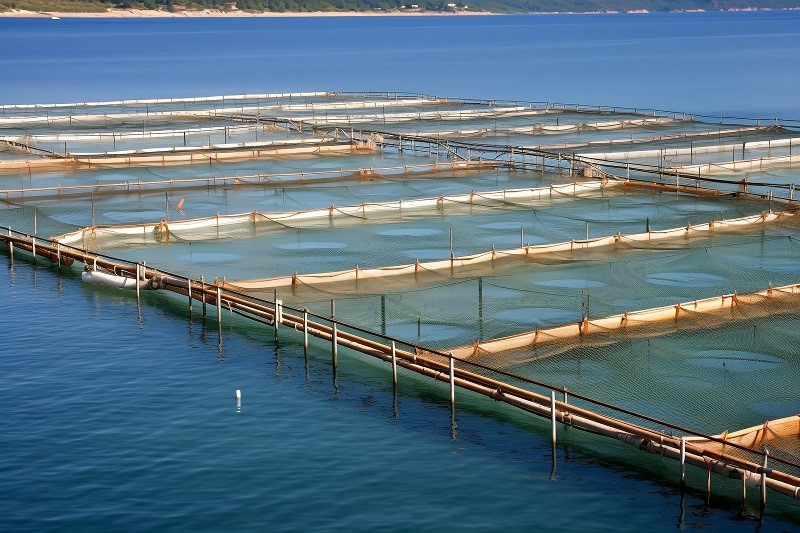
![Oxygen Generator For Seafood Farming]() Oxygen Generator For Seafood FarmingAs seafood aquaculture moves toward high-density and industrialized farming models, traditional aeration methods often become insufficient for maintaining stable oxygen conditions. PSA oxygen generators provide a reliable and continuousread more
Oxygen Generator For Seafood FarmingAs seafood aquaculture moves toward high-density and industrialized farming models, traditional aeration methods often become insufficient for maintaining stable oxygen conditions. PSA oxygen generators provide a reliable and continuousread more -
![Oxygen Generator For Tilapia Farm]() Oxygen Generator For Tilapia FarmIn modern tilapia farming, oxygen management is one of the most critical operational factors affecting:. Fish survival rate . Feeding activity . Growth speed . Feed conversion ratio (FCR) . Water quality stability . Biomass density.read more
Oxygen Generator For Tilapia FarmIn modern tilapia farming, oxygen management is one of the most critical operational factors affecting:. Fish survival rate . Feeding activity . Growth speed . Feed conversion ratio (FCR) . Water quality stability . Biomass density.read more -
![PSA RAS Oxygen Generator]() PSA RAS Oxygen GeneratorIn high-density RAS farming environments, oxygen is not simply a supporting utility. It directly influences fish metabolism, feeding activity, ammonia conversion efficiency, biological filtration stability, stocking density, and survivalread more
PSA RAS Oxygen GeneratorIn high-density RAS farming environments, oxygen is not simply a supporting utility. It directly influences fish metabolism, feeding activity, ammonia conversion efficiency, biological filtration stability, stocking density, and survivalread more


Principle and characteristics of oxygen production by pressure swing adsorption
Definition of adsorption
The term "adsorption" was first proposed by Kayser in 1881, meaning the condensation of gas on a free surface. Now the international strict definition of adsorption is: the enrichment or loss of one or more components on the interface. In pressure swing adsorption oxygen production, it refers to the process in which a porous solid material contacts a fluid, and one or more components in the fluid phase accumulate on the solid surface, causing the fluid to change in quantity and concentration. The removal of components adsorbed on the porous solid surface is called desorption or desorption, which is the reverse process of adsorption. Through adsorption and desorption, the purpose of separating or purifying different components in the fluid can be achieved. To achieve the separation of mixed components, two basic conditions must be met.
(1) The porous material or adsorbent has selective adsorption properties for different components in the mixed components, or has equilibrium selective adsorption characteristics or dynamic selective adsorption characteristics.
(2) Under pressurized conditions, the adsorption amount of the component increases, and under reduced pressure conditions, the adsorption amount of the component decreases, so that the adsorbent is regenerated and can be recycled.
Adsorption separation mechanism
The adsorption separation process is carried out with the help of the following mechanisms:
(1) Sieving type (steric separation)
The main principle [9,10] is that the pore size of the molecular sieve adsorbent is determined by its crystal structure. Only molecules with regular shapes and diameters smaller than the pore size can enter the adsorbent pores and be adsorbed, while molecules with irregular shapes or large molecules are difficult or unable to enter the adsorbent pores, thereby achieving separation. Typical application processes include 3A molecular sieve drying cracked gas and ethylene, 4A molecular sieve drying natural gas, and 5A molecular sieve recovery of normal alkanes from naphtha and kerosene.
(2) Rate type (kinetic separation)
The main principle [9,10] is to control the adsorption amount of target components and non-target components according to the different rates of molecular diffusion into the adsorbent pores, and to achieve separation by appropriately selecting the adsorption time. Carbon molecular sieve air separation nitrogen production is a typical kinetic separation. A newer application area is the separation of carbon dioxide and methane.
(3) Equilibrium (equilibrium separation)
The main principle is to use the difference in equilibrium adsorption amounts of different molecules on the adsorbent for separation. Most pressure swing adsorption separation processes are completed with the help of equilibrium mechanisms, such as hydrogen production from various gas sources and molecular sieve air separation.
Principle of oxygen production by pressure swing adsorption air separation
The adsorbents used in oxygen production by pressure swing adsorption air separation are generally molecular sieves, especially 5A molecular sieves and 13X molecular sieves. The separation mechanism belongs to the aforementioned equilibrium separation type, which mainly utilizes the different dipole moments of N2 and O2 molecules (the dipole moment of N2 is 0.31C.m, and the dipole moment of O2 is 0.1C.m). The force between the cations in the molecular sieve and the dipole moment of N2 is greater than that of O2, making the equilibrium adsorption capacity of N2 on the molecular sieve higher than that of O2. Therefore, under medium and low pressures (such as 0.5MPa), the molecular sieve preferentially adsorbs nitrogen to achieve the purpose of separating nitrogen and oxygen. Moreover, the molecular sieve has the characteristic that the adsorption capacity changes with the adsorption pressure. Under higher pressure, the adsorbed nitrogen capacity is large, and under lower pressure, the adsorbed nitrogen capacity is small. Therefore, the adsorbed nitrogen can be desorbed from the adsorbent by reducing the pressure, and the adsorbent is regenerated and can be recycled.
Characteristics of oxygen production by pressure swing adsorption air separation
Compared with conventional oxygen production equipment, PSA oxygen production equipment has the following characteristics:
(1) Producing cheap oxygen with low energy consumption. Pressure swing adsorption generally operates at room temperature, which can save the energy consumption of heating and cooling, and the energy consumption is mainly on the compressor, so it is more economical than low-temperature distillation.
(2) Simple operation and can be fully automated.
(3) Fast startup, and the required concentration can be achieved in a short time (usually only a few minutes).
(4) Simple device and convenient maintenance and management.
(5) The equipment is safe and reliable, and does not need to be equipped with special personnel with certain skills. Pressure swing adsorption devices usually only have program control valves as moving parts, and the program control valves at home and abroad have been improved after many years of research, which makes the time long and the failure rate low. In addition, due to the development and application of computer expert diagnosis systems, it has functions such as fault self-diagnosis and automatic switching of adsorption towers, which further improves the reliability of the device.
(6) The equipment is small in size and occupies a small area.
Pressure swing adsorption oxygen production process
The basic steps of pressure swing adsorption air separation oxygen production are: adsorption, pressure equalization, venting, flushing and pressurization, etc.
(1) Adsorption: The raw gas enters the adsorption tower from the inlet end of the adsorption tower and is adsorbed under a certain pressure. The product oxygen is output from the outlet end to the product buffer tank.
(2) Pressure equalization: The tower that has completed adsorption and the tower that has completed flushing are pressure-equalized. The main purpose is to recover part of the oxygen and mechanical energy, and to play a certain role in increasing the oxygen concentration.
(3) Blowdown: After the pressure of the tower that has completed adsorption is equalized with other towers, the pressure is further reduced. Most of the adsorbed nitrogen is desorbed, so that the adsorbent is fully desorbed. According to the different venting methods, it can be divided into countercurrent blowdown and concurrent blowdown.
(4) Purge: Use part of the product oxygen to reversely flush the bed layer to completely regenerate the adsorption bed layer.
(5) Re-pressure: After equalizing the pressure with the tower that has completed adsorption, use product gas to increase the bed pressure and charge the pressure to the adsorption pressure to prepare for the next step of adsorption.
NEWTEK's Improvement in High-purity Oxygen Production Process
For some time, NEWTEK has taken improving the purity and recovery rate of product gas as its main goal while maintaining the economic efficiency of PSA. It has conducted in-depth research on the various steps of the pressure swing adsorption air separation oxygen production process and the factors affecting the purity and recovery rate of product oxygen, improved the traditional process, and developed some new processes.
(1) Using simultaneous steps
Using simultaneous steps, even if some steps of the adsorption tower regeneration process are carried out simultaneously, such as the tower that has completed adsorption and the tower that has completed regeneration are pressurized at the product end and the feed end at the same time, and the two ends of the bed are pressurized at the same time during pressurization, as well as pressure equalization and reverse venting, pressure equalization and forward venting at the same time, etc., which can shorten the cycle time, improve the production capacity of the device, and effectively improve the performance of the device.
(2) Pressure equalization process
The pressure equalization step in the PSA process is to use the gas discharged from the completed adsorption bed to pressurize the completed regeneration bed, usually making the pressure between the two beds equal. The introduction of the pressure equalization process can make full use of the higher pressure of the gas in the completed adsorption bed, and is also an effective measure to improve the product oxygen purity and recovery rate. Using effective energy analysis, the PSA process with and without the pressure equalization step is discussed, and it is pointed out that the process with pressure equalization is more reasonable than the process without pressure equalization.
(3) Flushing with high-purity gas
In the conventional PSA process, the forward venting air of the adsorption bed is usually used for equalization of pressure first and then as cleaning gas. As the bed pressure decreases, the purity of the forward venting air also decreases. Therefore, some impurities in the cleaning gas will inevitably be carried into the regenerated bed, causing contamination of the adsorbent at the product end. In order to improve the effect of the cleaning process, the improved process uses product gas [20] or the gas at the initial stage of forward venting, that is, using a gas with higher purity for cleaning, which improves the product purity and recovery rate.
(4) Pulse PSA
During the PSA cycle, the pressure in the adsorption tower fluctuates greatly, which often makes the regularly arranged adsorbent bed become irregular, and the air flow in the tower is extremely unstable, which affects the adsorption effect and reduces the production capacity of the adsorbent. In order to overcome these defects, Noguchi et al. proposed a pulsed pressure swing adsorption process, in which the processes of feeding, product discharge, flushing and reverse venting are all carried out in an intermittent manner to achieve pulsed feeding and discharging. This intermittent feeding and discharging operation mode makes the airflow in the adsorption tower microscopically unstable and macroscopically stable, thereby increasing the adsorption or desorption rate and effectively improving the utilization rate of the adsorbent.
We're well-known as one of the leading psa oxygen plant manufacturers and suppliers in China. If you're going to buy high quality psa oxygen plant made in China, welcome to get more information from our factory.
Twin Tower PSA Oxygen Generators, psa oxygen plant-
![Twin Tower PSA Oxygen Generators]() Twin Tower PSA Oxygen GeneratorsNEWTEK is a leading manufacturer of VPSA oxygen equipment. With extensive experience in cost engineering, we designread more
Twin Tower PSA Oxygen GeneratorsNEWTEK is a leading manufacturer of VPSA oxygen equipment. With extensive experience in cost engineering, we designread more -
![Modular PSA Oxygen Generators]() Modular PSA Oxygen GeneratorsFor industrial companies that want to achieve independent and controllable oxygen supply, NEWTEK has launched a newread more
Modular PSA Oxygen GeneratorsFor industrial companies that want to achieve independent and controllable oxygen supply, NEWTEK has launched a newread more -
![Containerized Oxygen Generator]() Containerized Oxygen GeneratorNEWTEK container oxygen production system can be regarded as a mobile oxygen center, providing continuous andread more
Containerized Oxygen GeneratorNEWTEK container oxygen production system can be regarded as a mobile oxygen center, providing continuous andread more -
![Oxygen Generator For Mineral Processing]() Oxygen Generator For Mineral ProcessingOxygen Generator for Mineral Processing is a pressure swing adsorption (PSA) system that produces oxygen fromread more
Oxygen Generator For Mineral ProcessingOxygen Generator for Mineral Processing is a pressure swing adsorption (PSA) system that produces oxygen fromread more -
![Gold Mining PSA Oxygen Generator]() Gold Mining PSA Oxygen GeneratorGold Mining PSA Oxygen Generator is a PSA gas separation system that produces oxygen from compressed air for CIPread more
Gold Mining PSA Oxygen GeneratorGold Mining PSA Oxygen Generator is a PSA gas separation system that produces oxygen from compressed air for CIPread more -
![Oxygen Generator For Tailings Treatment]() Oxygen Generator For Tailings TreatmentThe Oxygen Generator for Tailings Treatment is a PSA oxygen generation system designed to supply oxygen to tailingsread more
Oxygen Generator For Tailings TreatmentThe Oxygen Generator for Tailings Treatment is a PSA oxygen generation system designed to supply oxygen to tailingsread more


