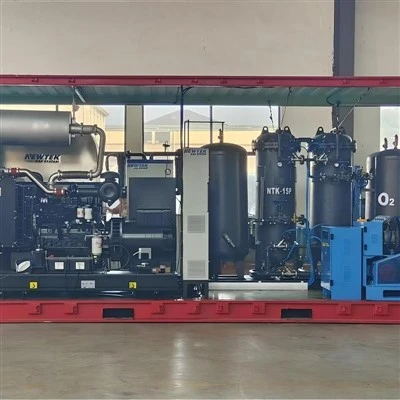
Why Oxygen Is Required in Mine Water Treatment
Mine water treatment processes often rely on oxidation reactions before contaminants can be removed from water.
For example, dissolved ferrous iron (Fe²⁺) remains soluble in water and cannot be removed efficiently through sedimentation. When oxygen is introduced, ferrous iron oxidizes to ferric iron (Fe³⁺), which forms ferric hydroxide precipitates that settle inside clarifiers and sludge thickening systems.
A similar process occurs during manganese removal, sulfide oxidation, and biological nitrification systems.
Typical mine water treatment applications requiring oxygen include:
-
Acid mine drainage treatment
-
Iron removal systems
-
Manganese removal systems
-
Sulfide oxidation processes
-
Biological wastewater treatment
-
Nitrification systems
-
Cyanide destruction support processes
-
Process water reuse systems

Without sufficient dissolved oxygen concentration, oxidation rates decline and treatment capacity may decrease.
Working Principle
Air Intake and Filtration
The process begins by drawing atmospheric air through an industrial filtration system.
Mining environments often contain airborne dust generated by:
Multi-stage intake filters capture particulate contaminants before air enters the compression system.
Filter housings are typically constructed from powder-coated carbon steel or aluminum alloy and use replaceable filter cartridges.
Air Compression
Filtered air enters a rotary screw compressor where pressure increases to approximately 7–10 bar(g).
The compressor package generally consists of:
The compressor transfers compressed air to the purification section through carbon steel or stainless steel process piping.
Pressure sensors continuously monitor compressor discharge conditions and transmit data to the PLC control system.
Air Purification
Compressed air contains moisture, oil aerosols, and fine particles that can damage adsorption media. The purification section removes contaminants using multiple treatment stages:
The treatment process reduces moisture content before air enters the PSA system.
Depending on configuration, outlet dew points typically range from -40°C to -70°C.
Maintaining low moisture levels protects molecular sieve material and stabilizes oxygen production performance.
Oxygen Separation
The PSA system separates oxygen from compressed air using zeolite molecular sieve material. Compressed air enters adsorption vessels filled with molecular sieve media.
Nitrogen molecules attach to the internal surface of the adsorbent while oxygen molecules pass through the bed and enter the oxygen collection system.
The PSA unit alternates between adsorption and regeneration cycles.
During operation:
Automated switching valves reverse vessel functions according to programmed cycle timing.
This process allows continuous oxygen generation without interrupting downstream treatment operations.
Typical oxygen purity ranges from 90% to 95%.
System Components
PSA Oxygen Generation Unit
The oxygen generation skid contains the core separation equipment. Major components include:
The adsorption vessels are fabricated from pressure-rated carbon steel and mounted on structural steel support frames.
System capacities typically range from 10 Nm³/h to 5,000 Nm³/h depending on treatment plant requirements.
Oxygen Storage Tank
Generated oxygen enters a buffer vessel before distribution. The storage tank performs several functions:
Typical storage pressures range between 8 and 16 bar(g).
For larger treatment facilities, additional oxygen storage vessels can be integrated into the distribution system.
Oxygen Distribution Network
The oxygen distribution system transfers oxygen from the generator to treatment equipment. The network generally includes:
Distribution headers may supply oxygen to multiple treatment stages simultaneously.
Flow rates can be adjusted independently for each treatment zone.
Oxygen Transfer Technologies
Fine Bubble Diffusion Systems
Fine bubble diffusers transfer oxygen into water through membrane aeration devices. A typical diffuser assembly consists of:
• EPDM membrane • PVC support pipe • Stainless steel mounting hardwareThe membrane releases small oxygen bubbles that increase gas-liquid contact area. As bubbles rise through the water column, oxygen transfers into solution and increases dissolved oxygen concentration.
Fine bubble systems are commonly installed in biological treatment basins and oxidation tanks.
Venturi Oxygen Injection
Venturi systems inject oxygen directly into pressurized process water pipelines. The venturi nozzle creates a low-pressure zone that draws oxygen into the water stream.
The oxygen-water mixture then enters reaction tanks, oxidation vessels, or distribution systems.
Venturi injection systems eliminate the need for large aeration basins in some treatment configurations.
Oxygen Cone Reactors
Oxygen cone reactors dissolve oxygen under elevated pressure. The reactor consists of:
• Pressurized vessel • Internal mixing chamber • Oxygen injection assembly • Recirculation pipingWater enters the cone under pressure while oxygen is injected into the internal circulation zone. The pressurized environment increases oxygen dissolution and minimizes gas losses.
Oxygen cone systems are commonly used when dissolved oxygen levels significantly above atmospheric saturation are required.
Acid Mine Drainage Treatment
Acid mine drainage (AMD) forms when sulfide-bearing minerals react with oxygen and water, generating acidic runoff containing dissolved metals. AMD treatment systems frequently use oxygen to accelerate oxidation reactions before clarification.
The treatment process generally follows these steps:
The oxygen generator continuously supplies oxygen to oxidation reactors where dissolved ferrous iron converts into ferric iron.
The ferric iron subsequently precipitates and settles in downstream clarification equipment.
Biological Treatment Applications
Mining camps, maintenance workshops, and processing facilities generate wastewater that may require biological treatment.
Aerobic microorganisms consume contaminants through metabolic activity and require dissolved oxygen to function.
The oxygen generator supplies oxygen to biological reactors through diffuser grids or oxygen injection systems.
Typical dissolved oxygen targets range from 2–6 mg/L depending on treatment design.
The oxygen transfer system distributes oxygen throughout the reactor volume and supports biological oxidation processes.

Maintenance Requirements
Daily Monitoring
Operators inspect:
- Oxygen purity
- Oxygen pressure
- Flow rate
- Compressor temperature
- Alarm status
Operating data is displayed through the HMI interface and stored by the PLC system.
Preventive Maintenance
Scheduled maintenance activities include:
- Replacing filter elements
- Inspecting pneumatic valves
- Servicing compressors
- Calibrating oxygen analyzers
- Checking pressure transmitters
Maintenance intervals depend on operating hours and site conditions.
Molecular Sieve Service Life
The molecular sieve performs the oxygen separation process.
Factors that can reduce adsorbent life include:
- Water contamination
- Oil carryover
- Excessive operating temperatures
- Improper pressure cycling
Under properly maintained operating conditions, molecular sieve replacement intervals typically range from 8 to 12 years.
Technical Specifications
| Parameter | Typical Range |
|---|---|
| Oxygen Purity | 90–95% |
| Oxygen Capacity | 10–5,000 Nm³/h |
| Oxygen Pressure | 4–10 bar(g) |
| Air Pressure | 7–10 bar(g) |
| Dew Point | -40°C to -70°C |
| Ambient Temperature | -20°C to +50°C |
| Control System | PLC + HMI |
| Power Supply | 380V–690V |
| Installation Type | Skid-Mounted or Containerized |
FAQ
Q: How do I select the correct oxygen generator capacity?
A: Capacity is determined by water flow rate, contaminant concentration, and target dissolved oxygen (DO) levels. NEWTEK can calculate the required oxygen demand based on your water analysis and treatment process data.
Q: What mine water treatment processes can this system support?
A: The system can supply oxygen for:
- Acid Mine Drainage (AMD) treatment
- Iron and manganese removal
- Sulfide oxidation
- Biological wastewater treatment
- Nitrification systems
- Process water reuse applications
Q: Can the system be integrated with existing treatment facilities?
A: Yes. The oxygen generator can connect to oxidation tanks, venturi injectors, oxygen cone reactors, diffuser systems, and existing treatment pipelines.
Q: What information is required for system sizing?
A: To size the system accurately, NEWTEK typically requires:
- Water flow rate (m³/h)
- Water quality report
- Treatment process description
- Installation altitude
- Available power supply
Q: Is the system suitable for remote mining sites?
A: Yes. The system generates oxygen on-site from atmospheric air, eliminating the need for liquid oxygen deliveries and cryogenic storage tanks.
Hot Tags: oxygen generator for mine water treatment, China oxygen generator for mine water treatment manufacturers, suppliers, container oxygen plant, Containerized Oxygen Generator, Containerized Oxygen Generators, Containerized Oxygen Plant, gas production equipment, Mobile Oxygen Plant