


NEWTEK
NEWTEK (Hangzhou) Energy Technology Co., Ltd. is a leading manufacturer of on-site gas generation systems, with a focus on pressure swing adsorption (PSA) technology for industrial and medical applications. With decades of expertise in gas separation engineering, the company has established itself as a pioneer in energy-efficient oxygen generation, serving metallurgy, chemical processing, wastewater treatment, and manufacturing. NEWTEK's industrial-grade PSA oxygen generators are designed to deliver high-purity oxygen (93–99.5%) while prioritizing sustainability, reliability, and cost-effectiveness.
At the core of NEWTEK's industrial offerings is a modular PSA system that utilizes advanced zeolite molecular sieves to separate oxygen from ambient air. These generators operate through cyclic adsorption-where nitrogen is selectively trapped by the sieves under pressure-and desorption-where trapped nitrogen is released to regenerate the sieves. Key features of NEWTEK's industrial units have scalable production capacities (from a few cubic meters per hour to hundreds), robust construction for continuous operation in harsh industrial environments, and intelligent control systems that optimize performance in real time.
A defining attribute of NEWTEK's PSA oxygen generators is their emphasis on energy efficiency. Through innovative engineering, material science, and process optimization, the company's equipment has achieved significant reductions in energy consumption compared to conventional PSA systems, aligning with global industrial trends toward decarbonization and sustainable manufacturing.
Notably, NEWTEK's R&D efforts have focused on holistic system design, where every component-from air intake filters to oxygen delivery pipelines-is engineered to minimize energy loss. This integrated approach ensures that efficiency gains are not limited to individual parts but compound across the entire oxygen generation process, enabling the 30%+ reduction in energy consumption that distinguishes its industrial systems.
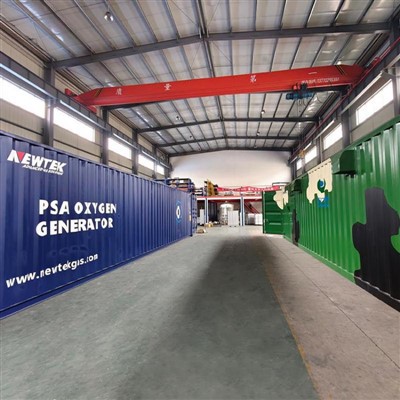

The Energy Challenge in Traditional Industrial PSA Systems
Why Energy Efficiency Matters in Industrial Oxygen Generation
Industrial processes rely heavily on oxygen, making PSA generators a critical energy consumer in manufacturing facilities. Traditional PSA systems, while effective at producing oxygen, are often energy-inefficient:
Overcompensation in pressure settings to ensure purity, leading to excess energy use.
Fixed adsorption/desorption cycles that do not adapt to fluctuating demand, wasting energy during low-usage periods.
Inefficient compressor operation, where compressors run at full capacity regardless of actual oxygen needs.
These inefficiencies contribute to high operational costs and increased carbon footprints, prompting industries to seek solutions that reduce energy consumption without compromising oxygen output or purity.
In an era where industrial sustainability is tied to regulatory compliance and market competitiveness, energy efficiency in oxygen generation has become a strategic priority. For energy-intensive industries, even marginal reductions in oxygen-related energy use can translate to substantial cost savings and improved environmental credentials.
Key Energy Drains in Conventional PSA Systems
Three primary components drive energy use in traditional industrial PSA oxygen generators:
Air Compressors: Compressing ambient air to the high pressures required for adsorption (typically 6–8 bar) accounts for 60–70% of a system's total energy consumption. Conventional compressors often operate at constant speed, consuming full power even when oxygen demand is low.
Valve Actuation: Frequent cycling of valves to switch between adsorption and desorption phases requires significant energy, especially in systems with outdated valve designs that leak or operate inefficiently.
Regeneration Processes: Desorbing nitrogen from sieves often involves pressurized purge gas or vacuum pumps, which add to energy use in traditional systems.
Addressing these areas is critical to achieving substantial energy savings in industrial PSA equipment. Auxiliary systems prepare ambient air for the PSA process, can contribute to energy waste in conventional setups.
Core Innovations Enabling 30%+ Energy Reduction in NEWTEK's Systems
Variable-Speed Compressor Technology
NEWTEK's industrial PSA generators integrate variable-speed drive (VSD) compressors, a key innovation in reducing energy consumption. Unlike fixed-speed compressors, VSD units adjust their rotational speed in real time to match oxygen demand:
During peak production, the compressor ramps up to full capacity to meet high flow rates.
During lulls (when a manufacturing line pauses), the compressor slows down, consuming only the energy needed to maintain baseline oxygen output.
This adaptability eliminates the energy waste associated with constant-speed operation. In industries with fluctuating oxygen needs, VSD compressors alone can reduce energy use by 15–20%, a significant portion of the overall 30% target.
NEWTEK's VSD compressors feature advanced motor designs, which convert electrical energy to mechanical energy with higher efficiency than traditional induction motors. This further reduces energy loss during compression, particularly at partial loads where conventional motors often underperform.
Advanced Adsorbent Materials and Cycle Optimization
The efficiency of PSA systems depends heavily on the performance of molecular sieves and the design of adsorption/desorption cycles. NEWTEK has developed two complementary innovations in this area:
High-Capacity Zeolites: NEWTEK's proprietary zeolite formulations have a higher affinity for nitrogen, allowing for more efficient adsorption. This means the system can achieve the same oxygen purity with lower operating pressures (4–6 bar instead of 6–8 bar), reducing the energy required for compression. These zeolites have a faster adsorption rate, shortening cycle times and reducing the duration of energy-intensive compression phases.
Adaptive Cycle Control: Traditional PSA systems use fixed cycle times (60 seconds per adsorption/desorption cycle). NEWTEK's intelligent control algorithms adjust cycle length based on real-time factors: sieve saturation levels, ambient air quality, and oxygen demand. During low demand, cycles are extended to reduce valve actuation frequency, cutting energy use for valve operations by up to 25%. During high demand, cycles are shortened to maintain output without overcompressing.
Together, these advancements reduce the energy intensity of the adsorption process by 10–15%.
Energy Recovery in Desorption Phases
Regenerating molecular sieves (desorption) is typically energy-intensive, as it requires releasing trapped nitrogen. NEWTEK's systems incorporate energy recovery mechanisms to mitigate this:
Pressure-Enhanced Purge: Instead of using external energy to purge nitrogen, the system redirects a small portion of high-pressure oxygen from the adsorption phase to assist in desorption. This reduces the need for vacuum pumps or additional compression, saving energy.
Heat Recovery: Compressors generate significant waste heat. NEWTEK's systems capture this heat and use it to warm the purge gas, increasing desorption efficiency and reducing the energy required to regenerate the sieves. The recovered heat is used to preheat incoming ambient air, reducing the workload on air dryers and improving overall system efficiency.
These innovations cut energy use in the desorption phase by 20–30%, contributing significantly to overall savings
Leakage Reduction and Aerodynamic Design
Even minor air leaks in PSA systems force compressors to work harder to maintain pressure, wasting energy. NEWTEK addresses this through:
High-Seal Valves: Precision-engineered valves with tight-sealing gaskets and minimal clearance reduce leakage during cycling. These valves require less energy to actuate and maintain pressure more effectively. The valves are designed to operate with lower pressure differentials, further reducing energy use during switching.
Aerodynamic Piping: Smooth, optimized piping layouts minimize pressure drops in air intake and oxygen delivery lines. Reduced turbulence means compressors expend less energy to push air through the system. Elbows and junctions are rounded to prevent flow disruption, and pipe diameters are sized precisely to avoid overcapacity, which can cause unnecessary friction losses.
By minimizing leaks and pressure losses, these design tweaks reduce energy consumption by an additional 5–10%.
Optimized Auxiliary Systems
Air dryers and filters are used to remove moisture and contaminants from ambient air before it enters the PSA unit, are often overlooked sources of energy waste in conventional systems. NEWTEK has reengineered these components to work in tandem with the main PSA system:
Demand-Based Air Drying: Traditional air dryers operate continuously, even when oxygen demand is low. NEWTEK's dryers adjust their operation based on real-time air flow, reducing energy use during lulls.
Low-Pressure Drop Filters: High-efficiency filters with minimal pressure drop reduce the workload on compressors, ensuring less energy is spent pushing air through purification stages.
These optimizations contribute an additional 3–5% reduction in total energy consumption.
System-Level Integration for Maximum Efficiency
Intelligent Control Systems
NEWTEK's industrial PSA generators are equipped with AI-driven control platforms that act as the "brain" of the system, coordinating all components to minimize energy use. These systems:
Monitor real-time oxygen demand from connected industrial processes (a steel furnace or wastewater aeration tank) and adjust production accordingly.
Predict demand fluctuations based on historical data (peak hours in a manufacturing plant) and pre-emptively adjust compressor speed and cycle times.
Detect inefficiencies (a clogged air filter or a worn valve) and alert operators, preventing energy waste from degraded performance.
The control system optimizes the interaction between components, slowing the compressor slightly during valve switching to reduce pressure spikes, or adjusting desorption timing based on ambient temperature, which affects sieve performance. This holistic coordination ensures that no component operates in isolation, maximizing overall efficiency.
Modular Design for Scalability
Industrial facilities often require varying oxygen volumes as production scales up or down. NEWTEK's modular PSA systems allow for "right-sizing" of oxygen generation:
Multiple smaller generators can operate in parallel, with only as many units active as needed to meet current demand. A facility using 50% of its maximum oxygen capacity can shut down half its modules, reducing energy use proportionally.
Modules can be added or removed without disrupting operations, ensuring the system never consumes more energy than required for the current production load.
This scalability avoids the "overcapacity penalty" of traditional large-scale PSA systems, which waste energy by running at partial load. In large industrial complexes, modules can be distributed geographically near points of oxygen use, reducing energy loss in long-distance piping.
Energy Savings in Industrial Settings
Metallurgy and Metal Processing
In steel manufacturing, oxygen is used for cutting, welding, and oxygen-enriched combustion to increase furnace temperatures. A mid-sized steel plant using NEWTEK's PSA system reported a 32% reduction in energy consumption compared to its previous conventional PSA unit. The variable-speed compressors and adaptive cycle controls proved particularly effective, adjusting to the plant's fluctuating oxygen needs during batch processing. During overnight lulls in production, the system reduced output by 70%, cutting energy use significantly without compromising readiness for morning shifts.
Chemical and Pharmaceutical Production
Chemical synthesis often requires precise oxygen concentrations for oxidation reactions. A pharmaceutical plant utilizing NEWTEK's modular PSA system achieved a 35% energy reduction by scaling module operation to match production batches. The heat recovery from compressors reduced the plant's reliance on external heating systems, creating additional energy savings. The system's ability to adjust oxygen purity in real time-from 93% to 99.5%-eliminated the need for energy-intensive post-purification steps, further lowering consumption.
Wastewater Treatment
Aeration is a critical step in wastewater treatment, requiring large volumes of oxygen to support aerobic bacteria. A municipal wastewater facility using NEWTEK's PSA oxygen generators with energy recovery in desorption phases cut aeration-related energy use by 31%. The adaptive control system adjusted oxygen output based on real-time water quality metrics, avoiding over-aeration during low-pollutant periods. The modular design allowed the facility to add units gradually as treatment capacity expanded, ensuring energy use scaled proportionally with demand.
Food and Beverage Processing
In food packaging and preservation, oxygen is used to create modified atmospheres. A large food processing plant implemented NEWTEK's PSA system and saw a 28% reduction in energy use compared to its previous cylinder-based supply. The system's ability to generate oxygen on-demand eliminated the energy-intensive transportation and storage associated with cylinders, while variable-speed compressors matched output to the plant's shift-based production schedule.
Environmental and Economic Benefits
Reduced Carbon Footprint
A 30% reduction in energy consumption directly translates to lower greenhouse gas emissions, assuming the electricity used is grid-sourced. For energy-intensive industries, this reduction aligns with global decarbonization goals, helping facilities meet carbon neutrality targets and comply with emissions regulations. In regions relying on fossil fuels for electricity, the impact is particularly significant, while in areas with high renewable energy penetration, the carbon footprint of oxygen generation is further minimized.
Lower Operational Costs
Energy typically accounts for 40–60% of the total operating cost of industrial PSA systems. A 30% reduction in energy use translates to significant savings, with payback periods often within 2–3 years. For facilities with high oxygen demand, these savings can run into hundreds of thousands of dollars annually, freeing resources for other sustainability initiatives or operational improvements.
Compliance with Energy Regulations
Many regions are implementing stricter energy efficiency standards for industrial equipment (the EU's Ecodesign Directive or China's Energy Conservation Law). NEWTEK's low-energy PSA systems help facilities meet these regulations, avoiding penalties and enhancing eligibility for green energy incentives. In some cases, the systems qualify for tax breaks or grants aimed at promoting industrial sustainability.


