NEWTEK
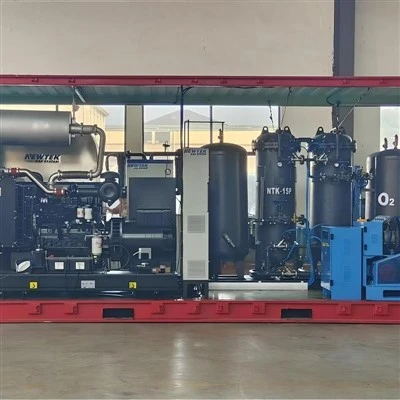
NEWTEK (Hangzhou) Energy Technology Co., Ltd. stands as a prominent innovator in the field of Pressure Swing Adsorption (PSA) oxygen systems, with a global footprint that extends across more than 100 countries. The company's expertise spans diverse industries where reliable gas supply is non-negotiable. At its core, NEWTEK's PSA technology is designed to generate high-purity oxygen on-site, offering a sustainable and flexible alternative to conventional oxygen supply methods. This on-demand approach is particularly advantageous in sectors, where the stability of oxygen levels directly impacts the health and survival of aquatic organisms.
NEWTEK's PSA oxygen equipment operates on the scientific principle of selective adsorption: ambient air is compressed and directed through specialized beds filled with zeolite, a porous material that selectively traps nitrogen and other impurities. This process yields oxygen with adjustable purity, typically ranging from 93%±3% for standard applications to up to 99% for more specialized needs. The versatility of these systems is a defining feature-they range from compact, portable units ideal for small-scale fish farms to large, industrial-grade generators capable of supporting intensive aquaculture operations.
A key strength of NEWTEK's PSA systems in aquaculture lies in their ability to withstand harsh environmental conditions. High humidity, saltwater exposure, and extreme temperature fluctuations are common in aquatic farming settings, but the company's equipment is engineered with corrosion-resistant materials and waterproof components to ensure long-term durability. Integrated precision control systems allow for real-time regulation of oxygen output, enabling farmers to adjust flow rates based on immediate water oxygen levels. This adaptability directly addresses the aquaculture industry's need for targeted oxygenation, a critical factor in enhancing survival rates and overall productivity.
NEWTEK's PSA technology serves a broad spectrum of industries, each with unique requirements. In healthcare, the systems provide a steady supply of medical-grade oxygen for clinics and hospitals, while in food processing, they support preservation and packaging processes. This cross-industry expertise informs the design of their aquaculture-specific equipment, ensuring that lessons learned from other sectors are applied to meet the distinct challenges of aquatic farming.


The Role of Oxygen in Aquaculture Ecosystems
Oxygen is an indispensable element in aquaculture, underpinning the survival of fish, shrimp, and other aquatic species, as well as sustaining the balance of microbial activity in water. In intensive farming operations, where high stocking densities are common, natural oxygen production-from algae photosynthesis or water circulation-is often insufficient. This can lead to oxygen depletion, a condition that causes stress, stunted growth, or even mass mortality among aquatic populations.
Oxygen levels in aquaculture systems are inherently dynamic, influenced by a range of factors. Water temperature plays a significant role, as warmer water holds less dissolved oxygen; this creates challenges in regions with seasonal heatwaves or in indoor facilities where temperature control is limited. Feeding rates affect oxygen levels, as uneaten food and organic waste decompose, consuming oxygen in the process. Stocking density directly impacts demand: higher numbers of aquatic organisms increase respiration rates, accelerating oxygen depletion.
In shrimp ponds, oxygen levels can drop sharply overnight when photosynthesis ceases, leaving populations vulnerable. Similarly, in fish tanks with high stocking densities, oxygen may be depleted within hours if not replenished. PSA oxygen systems address these fluctuations by providing a controllable, on-demand source of oxygen, ensuring levels remain within the optimal range for most species. This stability supports respiration and maintains the health of beneficial bacteria that break down waste, preventing the buildup of ammonia and nitrites.
Matching Supply to Biological Demand
Real-Time Monitoring and Adaptive Output
A critical challenge in aquaculture is aligning oxygen supply with the dynamic biological demands of aquatic species. Over-oxygenation wastes resources, while under-oxygenation risks mortality. NEWTEK's PSA systems address this through integration with real-time monitoring technologies, creating a closed-loop system that responds to changing conditions.
Water oxygen levels are tracked using submerged sensors, which transmit data to the PSA system's control panel. The system adjusts oxygen output accordingly: increasing flow rates during periods of feeding when fish are active, or reducing output during quieter periods. This adaptability ensures that oxygen is supplied only when and where it is needed, optimizing efficiency without compromising aquatic health.
In tilapia farms, oxygen demand peaks during daylight hours as fish feed and grow, decreases overnight. NEWTEK's systems automatically scale back oxygen production during these quieter periods, reducing energy use while maintaining safe levels. This targeted approach improves survival rates and minimizes operational costs, a key consideration for sustainable aquaculture.
Targeted Delivery Methods
The effectiveness of oxygenation in aquaculture depends on the volume of oxygen produced and on how efficiently it is distributed in water. Traditional methods often result in significant oxygen loss to the atmosphere, making them less efficient for intensive operations. NEWTEK's PSA systems are compatible with advanced delivery technologies designed to maximize oxygen dissolution and distribution.
Fine-bubble diffusers, generate microbubbles that remain suspended in water longer, increasing the surface area for oxygen transfer and boosting dissolution efficiency. These diffusers can be placed strategically-near the bottom of ponds or tanks, where organic waste accumulates and oxygen demand is highest-preventing the formation of anaerobic zones that breed harmful bacteria.
In large-scale operations, zone-specific oxygenation allows farmers to address variations in oxygen levels across a single body of water. Areas with higher stocking densities or more waste accumulation can receive increased oxygen, while less demanding zones receive lower flows. This tailored approach ensures that all aquatic organisms, regardless of their position in the system, have access to sufficient oxygen, reducing stress and improving overall health.
Ensuring Oxygen Purity for Aquatic Health
Avoiding Harmful Impurities
While aquaculture does not require the ultra-high purity standards of pharmaceutical or medical applications, the oxygen supplied must be free from contaminants that could harm aquatic life or disrupt water quality. Even trace amounts of certain substances can have detrimental effects: while excess carbon dioxide can lower water pH, causing stress or disease.
NEWTEK's PSA systems for aquaculture incorporate features to minimize such risks. Oil-free compressors prevent hydrocarbon contamination, a critical safeguard for species with sensitive respiratory systems. Carbon dioxide scrubbers reduce CO₂ levels in the oxygen stream, preventing pH fluctuations that could disrupt the aquatic ecosystem. Moisture control systems remove excess water vapor, avoiding condensation in delivery lines that could promote bacterial growth.
These measures ensure that the oxygen produced is pure and biologically compatible with aquatic species, avoiding unintended harm that would undermine efforts to improve survival rates.
Preventing Pathogen Introduction
PSA oxygen equipment can inadvertently act as vectors for pathogens if not properly designed, introducing bacteria, viruses, or parasites into aquaculture water. Stagnant water in delivery lines, contaminated filters, or poorly maintained equipment can harbor harmful microorganisms, which can spread through the system, causing disease outbreaks.
NEWTEK addresses this risk through design features that prioritize hygiene. UV light modules integrated into oxygen lines inactivate pathogens, preventing their transmission to aquatic populations. Smooth, non-porous piping and detachable diffusers allow for easy cleaning and disinfection during routine maintenance, reducing the buildup of biofilms where pathogens thrive. Closed-loop circulation systems prevent backflow of pond water into the oxygen generator, avoiding contamination of the adsorption beds.
By minimizing the risk of pathogen introduction, these features reduce disease-related mortality, a major source of loss in aquaculture operations.
Ensuring Continuous Oxygen Supply
Redundancy for Critical Periods
Aquaculture systems are most vulnerable to oxygen depletion during heatwaves, feeding peaks, or equipment failures. Even short interruptions in oxygen supply can lead to significant mortality, particularly in high-density operations. NEWTEK's PSA systems are designed with redundancy to mitigate this risk, ensuring continuous operation when it matters most.
Backup power integration allows the systems to operate during grid outages, a critical feature in remote farming locations where electricity supply is unreliable. Dual adsorption beds enable continuous oxygen production, with one bed regenerating while the other is in use, avoiding interruptions during cycle transitions. Real-time monitoring systems provide instant alerts-via SMS or dashboard notifications-for drops in oxygen output or water oxygen levels, enabling rapid intervention by farm staff.
These features ensure that oxygen supply remains stable even during unexpected events, a key factor in maintaining high survival rates in aquaculture.
Durability in Aquatic Environments
Aquaculture facilities expose equipment to some of the harshest operating conditions: saltwater corrosion in coastal shrimp ponds, high humidity in indoor fish tanks, and frequent contact with fertilizers or pesticides.
NEWTEK's PSA systems are built to withstand these challenges. Frames constructed from 316L stainless steel and marine-grade coatings resist saltwater corrosion, ensuring longevity in coastal settings. Waterproof control panels and sensors rated for high ingress protection, prevent damage from splashes, humidity, or submersion. Low-maintenance designs, with extended service intervals for filters and adsorbents, reduce downtime in remote locations where technical support is limited.
This durability ensures that the system remains operational even in challenging environments, maintaining consistent oxygen supply-a cornerstone of reliable aquaculture operations.
Enabling Scalable Oxygenation
While improving survival rates is the primary goal, aquaculture operations must balance performance with cost. Traditional oxygen sources often become prohibitively expensive at scale, limiting farmers' ability to maintain optimal oxygen levels consistently. NEWTEK's PSA systems offer long-term cost advantages that make targeted oxygenation accessible to operations of all sizes.
On-site oxygen generation eliminates the need for delivery fees, storage costs, and the transportation emissions associated with traditional methods. Over time, this reduces operational expenses, allowing farmers to invest in higher stocking densities or better feed without increasing per-unit costs. Energy-efficient features minimize electricity use, further lowering operational expenses.
This cost-effectiveness enables widespread adoption of precision oxygenation, making survival rate improvements feasible for large industrial farms and small-scale operations. By aligning performance with affordability, NEWTEK's PSA oxygen equipments support the scalability of aquaculture, helping meet the growing global demand for aquatic protein.