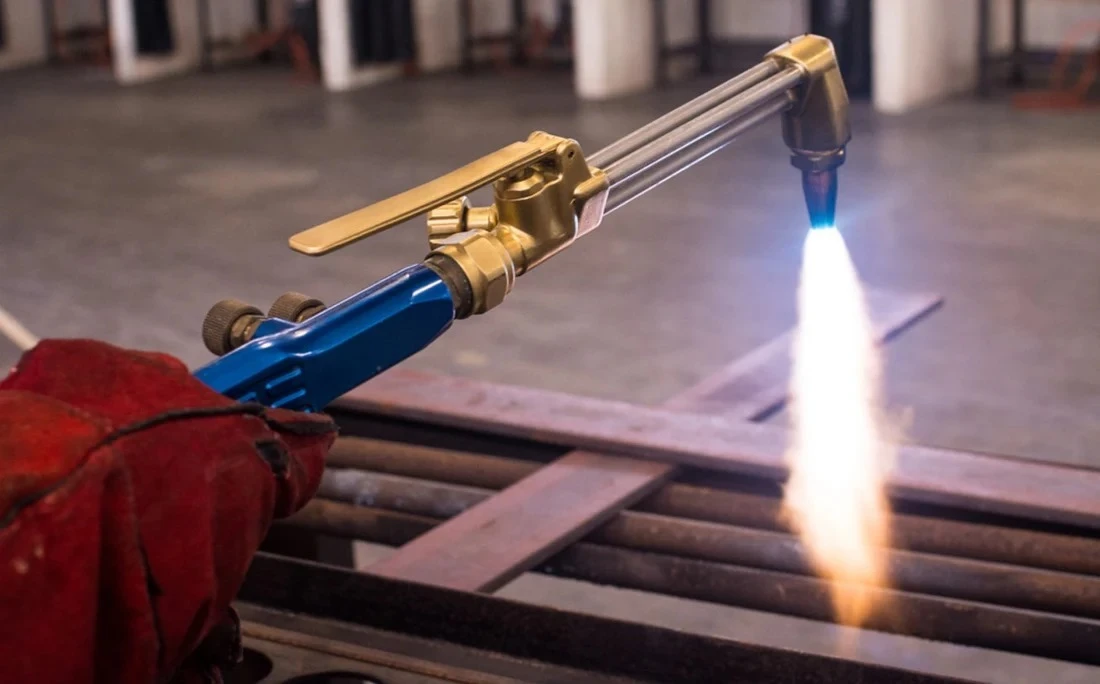
Oxygen is an indispensable utility in modern metal processing operations, serving as a core medium for oxy-fuel cutting, welding, steel smelting, metal refining, and surface treatment processes. For metal fabrication plants, steel mills, and non-ferrous metal processing facilities, the selection of an oxygen supply system directly impacts production efficiency, product quality, operational safety, and long-term operational profitability. Two dominant oxygen supply solutions prevail in the metal processing industry: on-site Pressure Swing Adsorption (PSA) oxygen generators and traditional oxygen cylinder manifold systems. While cylinder manifolds have long been the conventional choice for small-scale and intermittent oxygen demand, PSA oxygen generation technology has emerged as a cost-effective, reliable, and low-risk alternative for modern metal processing production lines. This article provides an in-depth comparative analysis of the two solutions, covering working principles, operational performance, cost structure, safety compliance, maintenance requirements, and application scenarios, to help metal processing enterprises make data-driven equipment investment decisions.
Fundamental Working Principles & System Composition
To understand the core differences between PSA oxygen generators and oxygen cylinder manifold systems, it is essential to clarify their basic working mechanisms and structural compositions, which lay the foundation for their divergent performance and applicability in metal processing scenarios.
PSA Oxygen Generator System
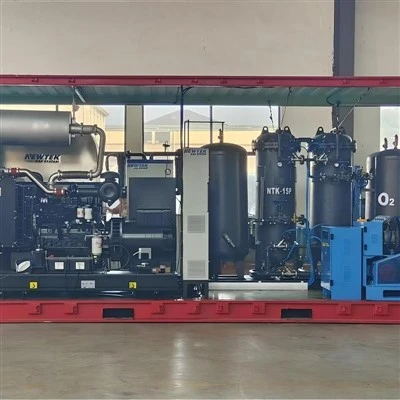
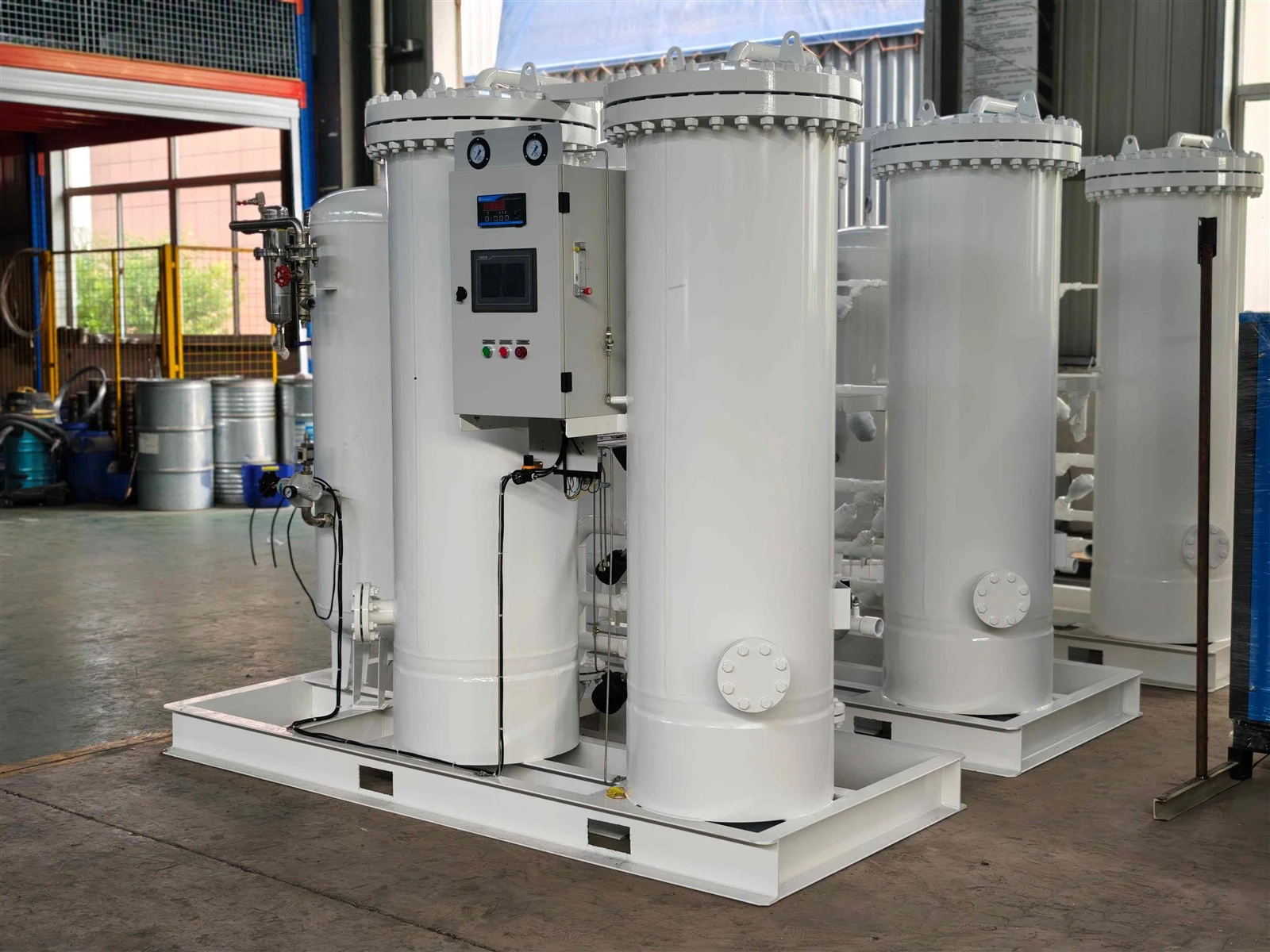
PSA oxygen generation is an on-site gas production technology that leverages the physical adsorption characteristics of molecular sieves under variable pressure conditions to separate oxygen from ambient air. The entire system consists of an air compressor, air pretreatment unit, PSA adsorption tower, oxygen buffer tank, control system, and pipeline distribution system. The working process follows a cyclic pressure swing adsorption-desorption mechanism: under high pressure, the lithium-based or carbon molecular sieves in the adsorption tower selectively adsorb nitrogen, carbon dioxide, and water vapor in the air, allowing high-purity oxygen to pass through and enter the buffer tank for standby use; when the pressure drops, the adsorbed impurities are desorbed and discharged, realizing automatic regeneration of the molecular sieve without chemical consumption.
Modern industrial-grade PSA oxygen generators for metal processing feature fully automated operation, with adjustable oxygen purity ranging from 90% to 95% and customizable flow rates from 3 Nm³/h to 2000 Nm³/h, fully covering the oxygen demand of conventional metal cutting, welding, and smelting processes. The entire system operates at room temperature and low pressure, eliminating extreme operating conditions and ensuring stable continuous gas supply.
Oxygen Cylinder Manifold System
An oxygen cylinder manifold system is a centralized gas supply device that connects multiple high-pressure oxygen cylinders through a unified pipeline manifold to achieve centralized oxygen supply for production equipment. The system is composed of high-pressure oxygen cylinders, manifold pipelines, pressure regulating valves, check valves, pressure gauges, and safety relief devices. The oxygen used in this system is pre-produced and filled in professional gas factories, with a standard cylinder pressure of 15 MPa and oxygen purity up to 99.5% or higher.
The working logic of the manifold system is simple: multiple cylinders are grouped into working and standby groups. When the pressure of the working cylinder group drops to a set threshold, the system manually or automatically switches to the standby group to ensure uninterrupted gas supply. However, the system does not produce oxygen independently; it only realizes centralized storage, pressure regulation, and transmission of purchased bottled oxygen, relying entirely on external gas supply chains. This system is a passive gas supply mode with no self-sufficiency capability.
Performance Adaptability for Metal Processing Applications
Metal processing scenarios have strict requirements on oxygen purity, supply stability, flow continuity, and pressure accuracy, which directly determine processing quality and production efficiency. The two oxygen supply solutions show significant differences in performance adaptation to industrial metal processing needs.
Oxygen Purity & Processing Quality
Oxygen purity is a key indicator affecting metal processing effects. High-purity oxygen can improve combustion efficiency in oxy-fuel cutting and welding, reduce oxide slag on metal surfaces, and enhance the flatness and precision of cutting sections. Oxygen cylinder manifolds supply bottled oxygen with a fixed high purity of 99.5%–99.9%, which is suitable for high-precision metal welding, thin-plate cutting, and high-end metal finishing processes that require ultra-high oxygen purity.
In contrast, PSA oxygen generators provide oxygen with a purity range of 90%–95%. Although the purity is slightly lower than that of bottled oxygen, it fully meets the process requirements of most conventional metal processing links, including thick steel plate cutting, rough welding, steel smelting oxidation, and metal ore refining. Industry practical verification shows that for 80% of general metal processing operations, oxygen purity above 90% can achieve qualified processing results, while excessive high purity leads to unnecessary cost waste. Moreover, modern PSA equipment supports adjustable purity, allowing enterprises to flexibly match oxygen purity according to different production processes and balance processing quality and operating costs.
Supply Stability & Continuity
Continuous and stable oxygen supply is crucial for large-scale, batch metal processing production lines, as intermittent gas supply will lead to production shutdown, defective products, and reduced processing efficiency. PSA oxygen generators realize on-site real-time oxygen production, with 24-hour uninterrupted gas supply capability. The dual-tower cyclic working design ensures no gas supply interruption during equipment operation, and the automated control system can adjust output flow in real time according to production load changes, maintaining stable gas pressure and flow. For continuous production scenarios such as steel rolling and metal smelting, the stable supply advantage of PSA systems is particularly prominent.
The oxygen supply stability of cylinder manifold systems is restricted by external supply chains and manual operation. Although the manifold switching design can avoid instantaneous gas cut-off, it faces multiple unstable risks: delayed cylinder replacement, insufficient gas inventory, and interruption of gas transportation due to weather, traffic, or supply chain fluctuations. In peak production periods, insufficient oxygen cylinder supply will directly cause production line downtime. In addition, frequent cylinder switching will lead to tiny pressure fluctuations, which affect the stability of fine cutting and welding processes and easily produce processing defects.
Flow & Pressure Flexibility
Metal processing enterprises often have variable oxygen demand, with large differences in gas consumption between peak and off-peak production periods. PSA oxygen generators support stepless adjustment of oxygen flow and pressure, with the working pressure adjustable between 0.1–0.7 MPa, which can perfectly match the pressure requirements of different processing equipment. The equipment can automatically start and stop according to gas consumption, effectively avoiding gas waste caused by idle operation, and is highly adaptable to fluctuating production demand.
Cylinder manifold systems have poor flexibility. The outlet pressure is adjusted manually through pressure regulating valves, with limited adjustment accuracy and range. The gas supply flow is fixed within a certain range, and it is impossible to dynamically adjust according to production load changes. When the production line is shut down or the gas consumption is reduced, the residual oxygen in the pipeline cannot be effectively recycled, resulting in unavoidable gas waste. For small-batch, multi-variable metal processing production modes, the adaptability of manifold systems is obviously insufficient.
Comprehensive Cost Analysis (CAPEX & OPEX)
Cost control is a core concern for metal processing enterprises. The overall operating cost of the oxygen supply system includes initial investment cost (CAPEX) and long-term operating cost (OPEX), covering equipment procurement, installation, energy consumption, maintenance, labor, and gas procurement expenses. The two solutions have completely different cost structures.
Initial Capital Investment
The oxygen cylinder manifold system has low initial investment. The equipment cost only includes manifolds, valves, pressure gauges and a certain number of oxygen cylinders, with no complex mechanical and electrical systems. The installation process is simple, requiring only pipeline connection and pressure testing, and the construction cycle is short, which can quickly meet the temporary oxygen demand of small enterprises.
PSA oxygen generators require relatively high initial investment, involving the procurement of air compressors, pretreatment equipment, adsorption towers, automatic control systems and supporting facilities, as well as professional installation and commissioning costs. However, with the continuous upgrading of domestic and foreign PSA technology, the equipment manufacturing cost has been significantly reduced in recent years, and the initial investment gap with manifold systems has been gradually narrowed, providing cost conditions for large-scale promotion.
Long-Term Operating Cost
The long-term operating cost is the core advantage of PSA oxygen generators. The raw material of PSA equipment is free ambient air, and the only operating consumption is electric energy and regular replacement of a small number of wearing parts such as molecular sieves and filter elements. The power consumption of high-efficiency PSA oxygen generators is as low as 0.29–0.32 kWh per cubic meter of oxygen, and the annual maintenance cost is 30% lower than that of traditional industrial gas equipment. For medium and large metal processing enterprises with long-term and stable oxygen demand, the unit oxygen production cost of PSA systems is far lower than the market procurement price of bottled oxygen.
The cylinder manifold system has no energy consumption cost, but the long-term continuous gas procurement cost is extremely high. Bottled oxygen prices are affected by market supply and demand, transportation distance, and gas factory pricing strategies, with obvious price fluctuations. In addition, enterprises need to bear additional costs such as cylinder rental fees, transportation fees, manual handling fees, and inspection fees for pressure vessels. Statistical data shows that for enterprises with daily oxygen consumption exceeding 50 Nm³, the annual gas procurement and auxiliary costs of manifold systems are 2–3 times the total operating cost of PSA oxygen generators, and the cost gap will further expand with the extension of service life.
ROI Cycle
For small-scale metal processing plants with intermittent oxygen demand and low gas consumption, the ROI cycle of PSA equipment is longer, and manifold systems are more economical. However, for medium and large-sized metal processing facilities with stable and large oxygen consumption, the ROI cycle of PSA oxygen generators is generally 1–3 years. After the cost recovery, the equipment can continuously create cost savings benefits for the enterprise, forming a long-term profit advantage that manifold systems cannot match.
Operational Safety & Compliance Performance
Metal processing plants belong to high-risk industrial sites with high temperature, open fire, and flammable and explosive operating environments. The safety of the oxygen supply system is related to personnel safety and factory property safety, and must comply with industrial safety specifications and pressure vessel management standards.
Safety Risks of Cylinder Manifold Systems
Oxygen cylinder manifold systems have prominent safety hazards due to the use of high-pressure pressure vessels. Standard oxygen cylinders store oxygen at a pressure of 15 MPa, which belongs to high-pressure hazardous equipment. During daily storage, handling, and use, cylinder collision, vibration, or improper placement may cause cylinder rupture, oxygen leakage, and even explosion accidents. In addition, high-pressure oxygen leakage is prone to combustion and explosion when encountering grease, high-temperature sparks, and metal dust in the metal processing workshop, greatly increasing the workshop fire risk.
Moreover, oxygen cylinders belong to special pressure vessels, which require regular professional inspection and verification. Unqualified cylinders that exceed the service life may have potential safety hazards such as wall thinning and pressure resistance decline. Frequent manual cylinder replacement and pipeline switching also increase the risk of operational errors, bringing unstable safety factors to workshop operation.
Safety Advantages of PSA Oxygen Generators
PSA oxygen generation systems have intrinsic safety advantages. The entire oxygen production and transmission process is carried out at room temperature and low pressure, with no high-pressure storage links, completely avoiding the explosion risk of high-pressure gas containers. The equipment is equipped with multiple safety protection devices such as overpressure protection, leakage alarm, and automatic shutdown, which can automatically cut off the gas supply in case of abnormal conditions to ensure workshop safety.
In addition, the PSA system realizes closed-loop automatic operation, with minimal manual intervention, reducing safety accidents caused by human operation errors. The equipment has no cryogenic working links and no risk of frostbite and cryogenic leakage, and fully complies with industrial safety production specifications and environmental protection standards. For metal processing workshops with dense personnel and intensive equipment, the low-risk safety characteristics of PSA systems greatly reduce the enterprise's safety management pressure and accident hidden dangers.
Maintenance & Labor Management
Operational maintenance difficulty and labor cost input are important indicators to measure the practicability of industrial equipment, which directly affect the daily management efficiency of metal processing enterprises.
Maintenance of PSA Oxygen Generators
Modern PSA oxygen generators adopt integrated skid-mounted design, with compact structure and high integration, and the daily maintenance work is extremely simple. The conventional maintenance content only includes regular cleaning of air filter elements, checking the operating status of compressors and valves, and replacing molecular sieves every 3–5 years. The equipment is equipped with an intelligent monitoring system, which can remotely view operating parameters, alarm fault information in real time, and realize predictive maintenance. The whole process does not require professional gas operation technicians, and ordinary equipment operators can complete daily maintenance, with low labor dependence.
The service life of high-quality PSA oxygen generation equipment can reach 10–15 years, with stable performance attenuation and low long-term failure rate, which can meet the long-term continuous production needs of metal processing enterprises.
Maintenance & Labor of Cylinder Manifolds
The daily management and maintenance of cylinder manifold systems are labor-intensive. Enterprises need to arrange special personnel to be responsible for cylinder counting, handling, replacement, and pipeline inspection every day. Frequent cylinder handling and switching increase the labor intensity of employees and easily cause personnel fatigue and operational errors.
In terms of equipment maintenance, manifold pipelines, valves, and pressure gauges need regular calibration and leakage detection. A large number of oxygen cylinders need regular pressure vessel inspection, with complex inspection procedures and high management costs. Once the gas supply chain is interrupted, enterprises also need to coordinate emergency gas procurement, which consumes a lot of management resources. In addition, the stacked oxygen cylinders occupy a large workshop space, affecting the layout and operational efficiency of production equipment.
Application Scenario Adaptation & Selection Suggestions
Combined with the above comparative analysis, the two oxygen supply solutions have their own applicable scenarios in the metal processing industry. Enterprises need to select equipment according to their production scale, process requirements, and long-term development plans.
Preferred Scenarios for Oxygen Cylinder Manifolds
Oxygen cylinder manifold systems are suitable for small-scale metal processing enterprises, workshop-type processing plants, and enterprises with intermittent and low oxygen demand. Specifically including: small precision welding workshops requiring ultra-high oxygen purity (99.5%+), processing enterprises with discontinuous production and unstable gas consumption, and new enterprises with limited initial capital and temporary oxygen demand. The manifold system has low investment and flexible use, which can meet the basic production needs of small-batch and high-precision individual processes.
Preferred Scenarios for PSA Oxygen Generators
PSA oxygen generators are the optimal choice for medium and large metal processing facilities with long-term continuous production, large oxygen consumption, and stable production rhythm. Typical applicable scenarios include: steel smelting and rolling production lines, large-scale metal cutting and welding workshops, non-ferrous metal refining and oxidation processes, and factory-level standardized metal processing bases. For these enterprises, the stable gas supply, low operating cost, high safety, and low labor management pressure of PSA systems can create significant comprehensive benefits.
Hybrid Application Mode
Some medium-sized enterprises adopt a hybrid supply mode: using PSA oxygen generators to supply oxygen for conventional large-demand processing processes, and reserving a small number of oxygen cylinder manifolds for emergency standby and high-precision process production. This mode not only ensures the low-cost and stable operation of mainstream production links but also meets the high-purity oxygen demand of individual fine processes, realizing the optimal balance of cost, efficiency, and quality.
Conclusion & Industry Development Trend
In the metal processing industry, the choice between PSA oxygen generators and oxygen cylinder manifold systems is essentially a trade-off between short-term low investment and long-term comprehensive benefits. Oxygen cylinder manifold systems, as a traditional mature solution, have the advantages of low initial cost and high oxygen purity, and are still irreplaceable in small-batch, high-precision, and intermittent oxygen supply scenarios. However, its inherent defects such as high long-term operating cost, poor supply stability, prominent safety hazards, and high labor dependence make it unable to adapt to the large-scale, automated, and low-cost development trend of modern metal processing industry.
With the continuous progress of PSA air separation technology, the oxygen production efficiency, stability, and intelligence level of on-site oxygen generators have been continuously improved, and the purity adjustment range and equipment customization capability can fully cover most metal processing scenarios. In the context of industrial upgrading, cost reduction and efficiency improvement, and safety production standardization construction, PSA oxygen generation technology has become the mainstream development direction of industrial oxygen supply for metal processing enterprises. More and more medium and large-scale metal processing plants are gradually eliminating traditional cylinder manifold supply modes and switching to on-site PSA oxygen generation systems to realize independent, stable, safe, and low-cost oxygen supply.
In the future, with the integration of intelligent monitoring, remote control, and energy-saving optimization technologies, PSA oxygen generators will further improve operational efficiency and reduce energy consumption, providing more reliable and economical gas supply guarantees for the high-quality development of the metal processing industry. For metal processing enterprises, scientific selection of oxygen supply equipment according to their own production conditions is not only an important measure to reduce operating costs but also a key link to improve production stability, safety level, and core market competitiveness.