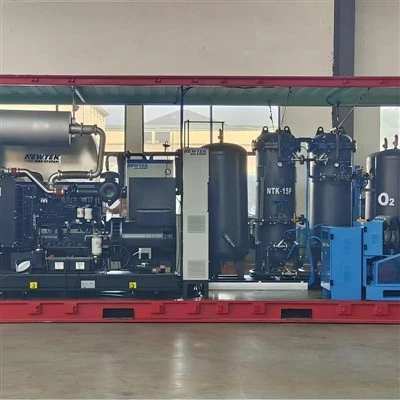
Pressure Swing Adsorption (PSA) oxygen generators have become a mission-critical asset across industries-medical facilities, metal fabrication plants, aquaculture sites, chemical processes, mining operations, and food & beverage manufacturers. As demand for cost-efficient, high-purity oxygen continues to rise, end users increasingly depend on reliable, continuous on-site oxygen generation systems rather than traditional cylinder or liquid supply models.
Because PSA oxygen plants operate around the clock in many applications, proper maintenance is one of the most important factors determining their long-term performance, operational stability, and total cost of ownership. While a well-designed PSA system can easily operate for 10–15 years, poor maintenance can reduce its lifespan dramatically, degrade oxygen purity, increase energy consumption, and lead to costly unplanned shutdowns.

Understanding Why Maintenance Matters in PSA Systems
A PSA oxygen generator relies on adsorption, desorption, pressure switching, and valve sequencing to separate oxygen from ambient air using specialized zeolite molecular sieves. As a result, system performance depends heavily on:
- Clean, dry compressed air
- Precise valve timing
- Healthy molecular sieve material
- Stable pressure regulation
- Reliable control logic
Over time, factors such as oil contamination, moisture, worn valves, or clogged filters can disrupt these mechanisms, causing:
- Declining oxygen purity (e.g., 93% dropping to 85–88%)
- Reduced flowrate
- Higher energy consumption
- Excess sieve attrition
- More frequent cycling stress on valves
- Compressor overload
- Unexpected shutdowns
A structured maintenance plan is therefore essential not only for protecting investment, but for ensuring continuous oxygen supply where interruptions could impact production, patient safety, or chemical process efficiency.
Keeping the System Stable
Daily checks allow operators to identify early warning signs before they turn into major failures. These tasks take only a few minutes but have a significant impact on system longevity.
Check Compressor Operation
The air compressor is the heart of the system. Monitor:
Operating temperature
Abnormal vibration or noise
Discharge pressure stability
Compressors running too hot or too hard can indicate clogged filters or leaks.
Verify Oxygen Purity Readings
Track oxygen purity from the built-in analyzer. Common issues include:
Sudden purity drop → valve timing or contamination issue
Slow purity decline → sieve degradation or moisture ingress
Trend logs help diagnose systematic changes.
Inspect System Pressure Levels
Check inlet and outlet pressure gauges. Variations may signal:
Leaks
Malfunctioning pressure regulators
Blocked filters
Valve wear
Stable pressure is key to consistent adsorption performance.
Drain Condensate from Filters
Even with automatic drains, manual verification ensures moisture does not accumulate in:
Pre-filters
Refrigerant dryer
Air receiver tank
Moisture exposure is one of the fastest ways to damage molecular sieves.
Managing Filtration and Air Quality
Air quality is the single most critical factor affecting the life of a PSA system.
Inspect and Clean Air Intake Filters
Remove dust and debris weekly, especially in industrial environments such as:
Cement plants
Woodworking facilities
Mining operations
Food processing lines
Clogged intake filters force the compressor to work harder, increasing power usage and reducing system output.
Check Pre-Filters and Coalescing Filters
These filters remove:
Oil vapor
Dust particles
Condensed water
Micro-sized contaminants
A drop in pressure can indicate filter clogging or insufficient drainage.
Inspect Dryer Operation
Moisture is the molecular sieve's #1 enemy. Check:
Refrigerant dryer dew point
Desiccant dryer regeneration cycles (if applicable)
Temperature stability
Any dew point drifting above recommended levels should trigger immediate corrective action.
Protecting Valves and Adsorption Towers
PSA systems rely on continuous switching between adsorption and regeneration cycles. This makes valves and tower internals particularly important.
Inspect Solenoid and Pneumatic Valves
Valve problems are among the most common causes of:
Purity fluctuation
Flow interruption
Pressure imbalance
Check for:
Slow switching
Coil overheating
Air leakage
Dirt accumulation
Timely cleaning and replacement of valve seals prevents downstream issues.
Check Equalization Lines and Mufflers
Blocked mufflers can increase backpressure, causing cycle imbalance.
Equalization lines must remain:
Unobstructed
Properly sealed
Free of moisture or oil
Measure Flowrate and Compare to Baselines
If flow has decreased:
Filters may be clogged
Valves may not be cycling correctly
Sieve material may be starting to break down
Trend monitoring helps plan preventive actions rather than reactive repairs.
Ensuring System Efficiency
Quarterly tasks involve deeper performance analysis.
Replace Prefilters (Based on Manufacturer Specification)
Most industrial PSA systems recommend replacing:
Coarse prefilters: every 3–6 months
Coalescing filters: every 6–12 months
Replacement frequency depends on environment and compressor condition.
Lubricate Compressor Components
Depending on compressor type:
Oil-lubricated compressors require oil top-up or replacement
Oil-free compressors may need bearing inspections
Always follow compressor manufacturer guidelines.
Inspect Oxygen Analyzer Calibration
Over time, analyzers drift. Quarterly calibration ensures purity readings remain accurate.
Check Electrical Components and Control Cabinet
Inspect:
Relay contacts
PLC connections
Cable insulation
Temperature inside control cabinet
Electrical issues can cause false alarms or shutdowns.
Extending System Lifespan
Annual maintenance involves more comprehensive servicing to prevent long-term degradation.
Replace All Line Filters
Even if filters appear clean, unseen micro-contaminants can compromise system efficiency.
Check Adsorption Towers for Sieve Integrity
While molecular sieves generally last 5–10 years, annual inspections help detect:
Attrition (powdering or dust)
Moisture contamination
Channeling inside the bed
Compaction
Damaged sieves must be replaced promptly to avoid performance collapse.
Inspect All Piping for Leakage
Leaks reduce system efficiency and increase compressor load. Ultrasonic leak detection is recommended in industrial environments.
Service Air Receiver and Oxygen Storage Tanks
Tank inspections include:
Internal corrosion
Pressure test
Safety valve function
Drain valve operation
Perform a Full System Performance Audit
Monitor:
Oxygen purity across multiple cycles
Specific power consumption (kWh/Nm³ oxygen)
Pressure differential across stages
Flow vs design output
This audit helps detect early signs of system aging.
Key Components That Require Special Attention
Molecular Sieves
They should be protected from:
Moisture
Oil vapor
High temperature
Particulate contamination
Once contaminated, they can rarely be restored.
Valves
PSA valves typically cycle tens of millions of times in their lifetime. Regular inspection ensures:
Fast switching
No leakage
Stable seal integrity
Air Compressor
Since it consumes most of the energy in a PSA system, compressor health directly affects total operating cost.
Oxygen Analyzer
A malfunctioning analyzer can lead to undetected purity drops-which may violate safety or production requirements.
Signs Your PSA Oxygen Generator Needs Maintenance
Operators should watch for:
| Symptom | Possible Cause |
|---|---|
| Purity deterioration | Sieve damage, moisture, valve timing error |
| Declining flowrate | Filter blockage, leaks, compressor wear |
| Increased compressor temperature | Filter clogging, high load |
| Loud valve switching | Valve wear or contamination |
| Higher energy consumption | Compressor inefficiency, system imbalance |
| Dew point rising | Dryer malfunction |
Solving issues early minimizes downtime.
Best Practices to Maximize PSA Lifespan
Use High-Quality Filtration
Cheap filters drastically shorten sieve life and increase compressor load.
Maintain Optimal Ambient Conditions
PSA systems should operate in an environment that is:
Clean
Well-ventilated
Free from corrosive gases
Within recommended temperature limits
Install Proper Voltage Stabilization
Voltage fluctuations can disrupt control logic or damage solenoid coils.
Keep Spare Parts Onsite
Recommended spares include:
Filter elements
Valve repair kits
Sensor modules
Analyzer calibration gas
Compressor oil and filters
Train Operators Regularly
Human error is one of the leading causes of PSA system issues. Skilled operators ensure early detection of abnormalities.