NEWTEK
NEWTEK (Hangzhou) Energy Technology Co., Ltd. has emerged as a global leader in the manufacturing of gas generation systems, with a particular focus on modular Pressure Swing Adsorption (PSA) oxygen generators. With a footprint spanning over 100 countries and a vast portfolio of thousands of units delivered worldwide, the company has firmly established itself as a reliable provider of on-site gas generation solutions tailored to a wide range of industrial requirements.
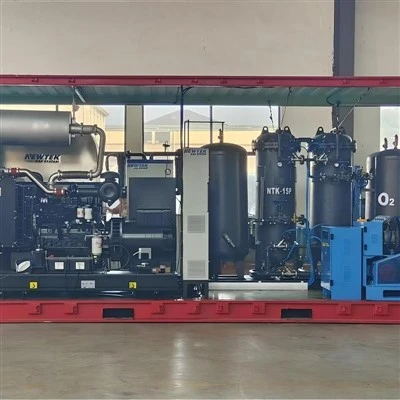
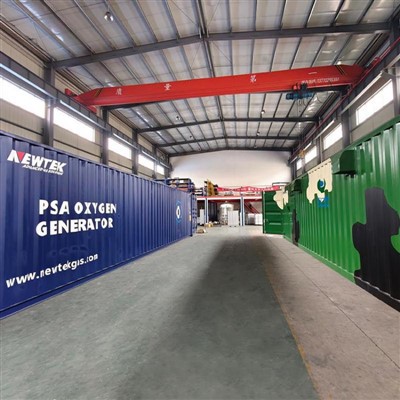
NEWTEK's PSA oxygen generators are engineered with a high degree of sophistication. They utilize the pressure swing adsorption technology, which involves the separation of nitrogen from ambient air to produce high-purity oxygen. Typically, these generators can achieve oxygen purity levels of 93%±3% as standard, and for more specialized needs, up to 99%. The modular design of these systems is a key feature, enabling easy expansion or downsizing. This modularity allows medical facilities, regardless of their scale, to adjust their oxygen production capacity in line with fluctuating patient loads or facility expansions.
Backed by more than 15 years of industry experience, NEWTEK's systems are integrated with advanced features. Automated controls ensure seamless operation, while real-time monitoring allows for the continuous assessment of system performance. Energy-efficient components are incorporated, to reduce operational costs and to contribute to environmental sustainability. The company's dedication to customization is evident in its ability to adapt systems to flow rates, purity levels, and operational conditions, whether in frigid polar regions, humid tropical climates, or high-altitude areas.
The ease of installation and maintenance of NEWTEK's modular PSA oxygen generators is another advantage. Plug-and-play components minimize downtime, which is critical in medical settings where a continuous oxygen supply is essential. Complemented by 24/7 technical support, NEWTEK positions itself as a trusted partner for medical institutions seeking reliable and flexible oxygen generation solutions. The company offers training programs for local technicians, ensuring that even remote facilities can maintain their systems independently over time.
The Current State of Medical Oxygen Supply
Medical oxygen is an essential component of healthcare services, used in a wide range of applications from treating patients with respiratory disorders to supporting patients during surgical procedures. In many parts of the world, the demand for medical oxygen has been on the rise, driven by an aging population, the increasing prevalence of chronic respiratory diseases, and the need for oxygen in emergency medical services.
Traditional methods of medical oxygen supply have faced numerous challenges. Cylinder-based supply systems are plagued by high costs associated with cylinder refills, transportation, and storage. The logistical requirements of managing a large number of cylinders can be complex, and there is always a risk of supply disruptions. Bulk liquid oxygen supply systems, while suitable for large-scale institutions, come with high infrastructure costs.
In remote or resource-limited areas, these challenges are exacerbated. The lack of proper transportation networks can make it difficult to deliver oxygen cylinders or refill them in a timely manner. A rural clinic in the mountains of South America may need to wait days for cylinder deliveries, risking interruptions in patient care. The cost of maintaining a reliable oxygen supply using traditional methods can be prohibitively expensive for small-scale medical facilities, diverting funds from other critical healthcare needs.

How Low-Cost PSA Oxygen Generation Solutions Address Key Issues
Cost-Effectiveness
One of the most significant advantages of low-cost PSA oxygen generation solutions is the reduction in long-term costs. For medical facilities, especially smaller ones, the ability to generate oxygen on-site at a lower cost can be a game-changer. By eliminating the need for continuous purchases of oxygen from external suppliers, these facilities can save substantially on procurement costs.
The modular design of PSA oxygen generators allows for a phased investment approach. Small clinics can start with a basic module and expand as their patient load or service offerings grow. This scalability means that they do not have to make a large upfront investment in excess capacity. Over time, as the volume of oxygen production increases, the cost per unit of oxygen generated typically decreases, making it an economically viable option for facilities of all sizes.
On-site generation reduces labor for managing cylinder inventory or the risk of expired oxygen supplies. A community health center in Southeast Asia that switches from cylinders to a NEWTEK PSA system can reallocate funds previously spent on deliveries to hiring additional medical staff, enhancing overall healthcare capacity.
Reliability
In medical settings, a reliable oxygen supply is non-negotiable. PSA oxygen generation systems provide a consistent and on-demand supply of oxygen. Unlike cylinder-based systems that may run out of oxygen during peak usage periods or face delays in refills, on-site PSA generators can operate continuously, ensuring that patients always have access to the oxygen they need.
The redundant design of some PSA systems, with multiple adsorption towers or modular components, further enhances reliability. In the event of a component failure, the system can often continue to operate at a reduced capacity or switch to backup components, minimizing the risk of service disruptions. This level of reliability is crucial for critical care units, emergency departments, and long-term patient care facilities.
NEWTEK's systems have self-diagnostic features that alert staff to potential issues before they cause failures. This proactive monitoring reduces the likelihood of unexpected downtime, a key benefit for facilities with limited technical resources.
Accessibility
Low-cost PSA oxygen generation solutions have the potential to significantly improve the accessibility of medical oxygen, particularly in remote and underserved areas. Traditional oxygen supply methods often struggle to reach these regions. PSA generators can be installed on-site, regardless of the location's remoteness.
These systems can be powered by a variety of sources. This adaptability to different power sources makes them suitable for areas with unstable or limited grid access. In a rural village in Africa or Asia, a small health center can install a solar-powered PSA oxygen generator, ensuring a continuous supply of oxygen for its patients without relying on an unreliable power grid.
The compact size of modular units allows for installation in facilities with limited space. This portability is particularly valuable for disaster response, where temporary medical camps can quickly deploy PSA systems to provide oxygen in emergency situations.
Meeting the Needs of Different Medical Facilities
Small-Scale Clinics and Rural Health Centers
Small-scale clinics and rural health centers often face the greatest challenges in accessing affordable and reliable medical oxygen. These facilities typically have limited budgets and may not have the resources to invest in large-scale oxygen supply infrastructure.
NEWTEK's low-cost PSA oxygen generators offer a practical solution. Their compact size allows for easy installation in small spaces. The modular design enables these facilities to start with a basic unit that can meet their current oxygen needs, perhaps for treating a few patients with respiratory problems. As the community grows or the range of services expands, additional modules can be added to increase the oxygen production capacity.
The relatively low energy consumption of these generators is a significant advantage for rural areas where access to affordable electricity may be limited. By using energy-efficient components, PSA generators can operate on a minimal power supply, reducing the overall operational costs for these resource-constrained facilities. A rural clinic in India serving a population of 10,000 can operate a small PSA system on a combination of grid power and solar backup, ensuring uninterrupted oxygen supply for common conditions.
Medium-Sized Hospitals
Medium-sized hospitals have more complex oxygen requirements. They need to supply oxygen to emergency rooms, intensive care units, and general wards. PSA oxygen generation systems can be customized to meet these diverse needs.
The ability to adjust the purity and flow rate of oxygen is crucial in a hospital setting. Different medical procedures and patient conditions require specific oxygen concentrations. With a PSA generator, hospitals can set the desired purity level, whether it's 93% for general use or 99% for more critical patients. The flow rate can be adjusted to ensure that each patient receives the appropriate amount of oxygen.
Moreover, the modular nature of the system allows for easy expansion as the hospital grows or experiences an increase in patient volume. If a hospital decides to add a new wing or expand its intensive care unit, additional PSA modules can be integrated into the existing system without major disruptions to the overall oxygen supply. This flexibility ensures that the hospital can adapt to changing community needs without incurring the high costs of replacing its entire oxygen infrastructure.
Large-Scale Medical Centers
Large-scale medical centers have high-volume and continuous oxygen demands. PSA oxygen generation systems can be scaled up to meet these requirements. Multiple modules can be installed in parallel to produce a large quantity of oxygen.
These systems can be integrated with the hospital's existing infrastructure,
as its building management system or medical gas pipeline network. This integration allows for seamless control and monitoring of the oxygen supply. The hospital's central control room can receive real-time data on the performance of the PSA generators. In the event of any issues, immediate action can be taken to ensure the uninterrupted supply of oxygen to patients.
Large facilities benefit from the energy efficiency of modular PSA systems. By generating oxygen on-site, they reduce the energy consumption associated with transporting and storing liquid oxygen, aligning with sustainability goals increasingly prioritized by healthcare organizations worldwide.
Impact on Healthcare Delivery and Patient Outcomes
Improving Treatment Options
With a reliable and affordable on-site oxygen supply, medical facilities can expand their treatment capabilities. In areas where oxygen therapy was previously limited, more patients with chronic respiratory diseases can now receive the necessary oxygen treatment. This can lead to better management of their conditions, reduced hospital admissions, and improved quality of life.
In emergency situations a prompt and continuous supply of oxygen can be life-saving. Low-cost PSA oxygen generators ensure that medical facilities are better equipped to handle these emergencies, increasing the chances of positive patient outcomes.
Reducing Mortality Rates
Adequate oxygen supply is directly related to reducing mortality rates, especially in critical care settings. In many developing countries, a lack of access to medical oxygen has been identified as a contributing factor to high mortality rates, particularly among patients with respiratory infections or during childbirth.
By providing a reliable and cost-effective source of oxygen, PSA generators can help bridge this gap. In hospitals and health centers where oxygen was previously scarce, the installation of these generators can ensure that patients receive the oxygen they need in a timely manner. This can lead to a significant reduction in mortality rates, particularly in areas with high burdens of respiratory and other oxygen-dependent diseases. A study in rural Nepal found that the introduction of on-site oxygen generation reduced child mortality from pneumonia by a notable margin, as children received oxygen therapy sooner.
Enhancing Healthcare Resilience
The ability to generate oxygen on-site enhances the resilience of healthcare systems, especially in the face of external disruptions. Natural disasters can severely disrupt the supply chain of traditional oxygen sources. With PSA oxygen generators, medical facilities can continue to operate independently, providing essential oxygen to patients even during times of crisis.
During the COVID-19 pandemic, many healthcare facilities around the world faced shortages of medical oxygen. Facilities equipped with PSA oxygen generators were better able to cope with the surge in patient numbers, as they could produce their own oxygen on-site, reducing their reliance on external suppliers. This self-sufficiency proved critical in saving lives during a global health emergency.