NEWTEK
NEWTEK (Hangzhou) Energy Technology Co., Ltd. stands as a global leader in on-site gas generation, with a focus on pressure swing adsorption (PSA) technology for oxygen and nitrogen production. Operating in over 100 countries and boasting thousands of installed units, the company has earned recognition for delivering reliable, scalable, and efficient gas solutions across industries-from healthcare and mining to food processing and chemical manufacturing.
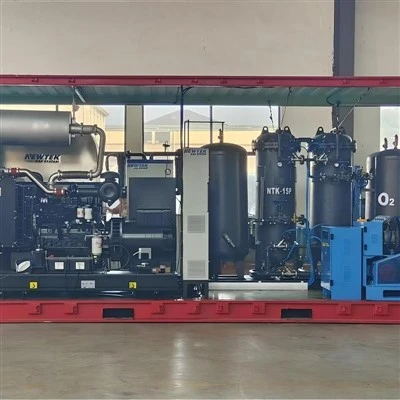
At the heart of NEWTEK's PSA oxygen generators lies a critical component: molecular sieves. These porous materials are engineered to selectively adsorb nitrogen from ambient air, allowing oxygen to pass through and be collected as the product gas. NEWTEK's generators, available in skid-mounted, containerized, and modular configurations, produce oxygen with a purity of 93±3% as standard (with options up to 99.5%), making them suitable for diverse applications.
A key pillar of NEWTEK's innovation strategy is advancing molecular sieve technology. By refining the composition, structure, and performance of these materials, the company has significantly enhanced the efficiency of its PSA systems, reducing energy consumption, increasing oxygen output, and extending equipment lifespans. This focus on material science has positioned NEWTEK at the forefront of PSA technology, enabling its generators to meet the evolving demands of energy efficiency and sustainability.


The Role of Molecular Sieves in PSA Oxygen Generation
How Molecular Sieves Enable Oxygen-Nitrogen Separation
Molecular sieves are crystalline aluminosilicates (zeolites) with a highly porous structure, featuring uniform pores that act as "molecular gates." In PSA oxygen generators, ambient air-composed primarily of nitrogen (78%) and oxygen (21%)-is compressed and passed through a bed of these sieves. Their chemical affinity for nitrogen molecules, the sieves selectively adsorb nitrogen, while oxygen, being smaller and less reactive, flows through to be stored as product gas.
Once the sieve bed becomes saturated with nitrogen, the PSA cycle shifts to a regeneration phase: the bed is depressurized, allowing the adsorbed nitrogen to desorb and be purged, restoring the sieve's capacity for subsequent cycles. This cyclic adsorption-desorption process is the foundation of PSA oxygen generation, and the efficiency of this process hinges entirely on the performance of the molecular sieves.
Key Performance Metrics of Molecular Sieves
Three critical metrics define the effectiveness of molecular sieves in PSA systems:
Selectivity: The ability to preferentially adsorb nitrogen over oxygen, ensuring high-purity oxygen output.
Capacity: The amount of nitrogen that can be adsorbed per unit mass of sieve, directly influencing cycle length and oxygen yield.
Regenerability: The ease with which adsorbed nitrogen is released during depressurization, affecting energy use in the regeneration phase.
Traditional molecular sieves, while functional, often fell short in one or more of these areas-limiting PSA efficiency by requiring higher energy input, shorter cycle times, or compromising oxygen purity.
Limitations of Traditional Molecular Sieves
Inefficiencies in Selectivity and Capacity
Early generations of molecular sieves were effective but had inherent limitations. Their pore size and chemical composition allowed some oxygen to be adsorbed alongside nitrogen, reducing selectivity and lowering oxygen purity. Their adsorption capacity was relatively low, meaning sieve beds became saturated quickly, requiring frequent regeneration cycles.
These limitations forced PSA systems to operate at higher pressures to compensate for poor selectivity, increasing energy use. Frequent cycling led to greater wear on valves and compressors, shortening equipment lifespans and raising maintenance costs.
Sensitivity to Environmental Factors
Traditional sieves were sensitive to moisture and contaminants in ambient air. Water vapor, in particular, could block the sieve pores, reducing adsorption capacity over time-a phenomenon known as "poisoning." This required PSA systems to have extensive pre-treatment steps (drying and filtration) to protect the sieves, adding complexity and energy consumption to the process.
In harsh environments, this sensitivity further degraded sieve performance, necessitating more frequent replacements and increasing operational disruptions.
Innovations in Molecular Sieve Materials
Enhanced Selectivity Through Chemical Modification
NEWTEK's research into molecular sieves has focused on tailoring their chemical composition to boost nitrogen selectivity. By doping zeolites with metal ions (lithium or sodium), the company has altered the electrostatic properties of the sieve pores, strengthening their attraction to nitrogen molecules while repelling oxygen. This modification ensures that even at lower operating pressures, the sieves retain high selectivity, reducing the energy needed for compression.
Lithium-exchanged zeolites developed by NEWTEK exhibit a 30% higher affinity for nitrogen compared to traditional 13X sieves. This allows PSA systems to operate at pressures 10–15% lower than before, cutting compressor energy use significantly.
Increased Adsorption Capacity via Structural Engineering
Advancements in sieve structure have yielded gains in adsorption capacity. NEWTEK's proprietary sieves feature a hierarchical pore structure-combining micropores (for selective adsorption) and mesopores (for faster nitrogen diffusion). This design allows more nitrogen to be adsorbed per unit mass, extending cycle times by 20–25% and reducing the frequency of energy-intensive regeneration phases.
Longer cycles mean fewer valve actuations and less pressure fluctuation, lowering wear on system components. In industrial-scale PSA generators, this translates to longer maintenance intervals and reduced downtime.
Improved Hydrophobicity and Contaminant Resistance
To address moisture sensitivity, NEWTEK has developed hydrophobic molecular sieves by modifying the zeolite surface to repel water molecules. These sieves maintain adsorption capacity even in high-humidity environments, reducing the need for energy-intensive pre-drying of inlet air.
The sieves are engineered to resist poisoning from common contaminants, which are prevalent in industrial settings. This resilience extends sieve lifespan by 50% or more compared to traditional materials, lowering replacement costs and environmental waste.
Thermal and Mechanical Stability
In extreme operating conditions, molecular sieves must maintain structural integrity. NEWTEK's sieves are sintered at higher temperatures during manufacturing, creating a more rigid framework that resists cracking or crumbling under thermal stress. This stability ensures consistent performance across diverse climates, a critical advantage for the company's global customer base.
Specific Impacts on PSA Generator Efficiency
Reduced Energy Consumption
The most significant impact of sieve innovation is lower energy use. By enabling operation at lower pressures and reducing regeneration frequency, NEWTEK's PSA generators consume 15–20% less energy than systems using traditional sieves.
A modular PSA generator powering a mid-sized hospital can save thousands of kilowatt-hours annually, aligning with global efforts to reduce carbon footprints. In industrial applications, these savings translate to millions of dollars in operational costs over the system's lifespan.
Higher Oxygen Yield and Purity
Enhanced selectivity allows NEWTEK's generators to produce oxygen with more consistent purity, even when processing air with variable compositions (in polluted urban areas). The lithium-exchanged sieves, in particular, maintain 93±3% purity across fluctuating inlet conditions, reducing the need for post-purification steps.
Increased adsorption capacity boosts oxygen yield-the amount of oxygen produced per unit of air processed. This higher yield means fewer air compressors are needed to meet demand, further lowering energy use and capital costs.
Extended Equipment Lifespan
By reducing cycle frequency and minimizing wear on valves, compressors, and pressure vessels, advanced molecular sieves extend the operational life of PSA generators. NEWTEK's systems, equipped with durable sieves, now have a service life of 10–15 years-up from 7–10 years with traditional materials.
Longer lifespans reduce the environmental impact of equipment disposal and lower the total cost of ownership, as customers defer capital expenditures on replacements.
Simplified System Design
The hydrophobic and contaminant-resistant properties of new sieves allow for streamlined pre-treatment systems. In many applications, the need for complex drying towers or multi-stage filters is eliminated, reducing system footprint and installation costs.
This simplification improves reliability, as fewer components mean fewer potential points of failure. For remote installations, this translates to more robust operation with minimal maintenance.
Real-World Applications of Advanced Molecular Sieves
Industrial Oxygen Supply
A chemical plant using NEWTEK's PSA generator with enhanced molecular sieves reported a 17% reduction in energy use for oxygen production. The longer cycle times allowed the plant to align oxygen generation with production shifts, avoiding energy waste during off-hours. The hydrophobic sieves eliminated the need for a dedicated air dryer, reducing system complexity and maintenance.
Healthcare Settings
In a rural hospital in a high-humidity region, NEWTEK's hydrophobic sieves maintained consistent oxygen purity (93±3%) despite ambient humidity levels exceeding 80%. This eliminated frequent sieve replacements, ensuring uninterrupted oxygen supply for critical care patients and lowering operational costs by 25%.
Mining Operations
A gold mine in a remote desert region deployed NEWTEK's PSA generators with thermally stable sieves. The sieves withstood daily temperature fluctuations of 40°C, maintaining oxygen output for underground ventilation systems. Extended sieve lifespan (from 3 to 5 years) reduced the need for costly helicopter deliveries of replacement materials, cutting logistics costs by 40%.
Future Directions in Molecular Sieve Innovation
NEWTEK is researching nanocomposite molecular sieves, which incorporate carbon nanotubes or graphene into the zeolite structure. These materials promise even higher adsorption capacities and faster diffusion rates, potentially extending cycle times by a further 30% and reducing energy use by an additional 10%.
Integrating sensors into sieve beds to monitor adsorption capacity in real time is another area of development. By tracking sieve performance, PSA systems can adjust cycle parameters dynamically, optimizing energy use and alerting operators to potential issues before they affect oxygen output. This "smart" technology, paired with advanced sieves, will enable predictive maintenance and further efficiency gains.
NEWTEK is exploring eco-friendly manufacturing processes for molecular sieves, using recycled aluminosilicate materials and reducing water use during synthesis. This aligns with the company's commitment to sustainability, ensuring that efficiency gains in PSA systems are matched by reduced environmental impact in sieve production.