Pressure Swing Adsorption (PSA) oxygen concentrators have revolutionized oxygen production by leveraging molecular sieves to efficiently separate oxygen from air. These systems, widely used in medical, industrial, and remote environments, rely on advanced materials like zeolite-based molecular sieves to achieve high purity and energy efficiency. This article explores the technical applications, performance optimization, and real-world benefits of molecular sieves in PSA oxygen concentrators, supported by industry innovations and practical insights.
Technical Principles of Molecular Sieves in PSA
Adsorption Dynamics and Selectivity
Molecular sieves, such as zeolites, operate based on kinetic and equilibrium adsorption differences between nitrogen (N₂) and oxygen (O₂). Nitrogen molecules, with a smaller kinetic diameter (0.364 nm), diffuse faster into the zeolite pores than oxygen (0.346 nm) . This allows the sieve to preferentially adsorb nitrogen under pressure, releasing oxygen for use. The adsorption capacity increases with pressure, while desorption occurs under reduced pressure, regenerating the sieve .
PSA Process Cycles and Tower Design
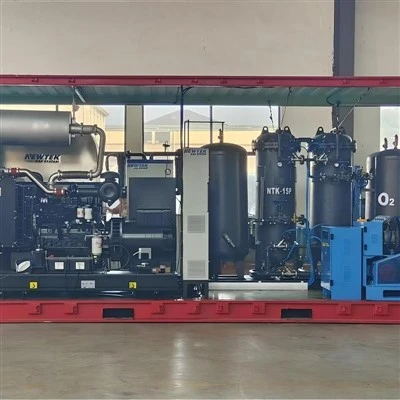
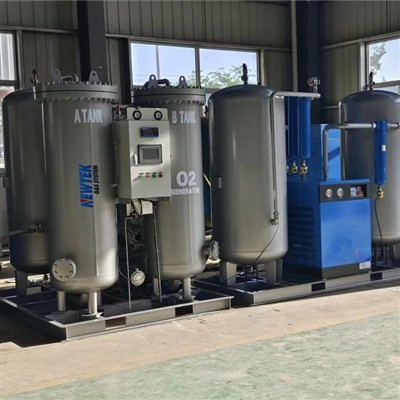
PSA systems typically use dual adsorption towers to ensure continuous oxygen supply. One tower adsorbs nitrogen while the other regenerates. Key steps include:
Adsorption: Compressed air enters the tower, nitrogen is adsorbed, and oxygen exits.
Equalization: Pressure is balanced between towers to recover energy.
Desorption: Reduced pressure releases nitrogen, preparing the tower for reuse .
Modern designs optimize tower geometry (e.g., high aspect ratios) to minimize dead volume and improve flow uniformity .
Key Molecular Sieve Properties
Critical parameters include:
Dynamic adsorption capacity: Determines oxygen yield. LiX zeolites show 30% higher nitrogen adsorption than traditional NaX .
Separation coefficient: Ratio of nitrogen to oxygen adsorption. High values (e.g., >2.5) ensure purity .
Mechanical strength: Resists abrasion and fragmentation during cyclic operation .
Advanced Molecular Sieve Materials
Lithium-Exchanged Zeolites (LiX)
LiX zeolites, such as PU-8 from Beijing Beida Pioneer, dominate medical and industrial applications. Their high lithium ion exchange (≥95%) enhances nitrogen adsorption capacity and thermal stability. Compared to CaX/CaA zeolites, LiX reduces energy consumption by 20–30% and lowers tower volume by 50% . For example, the LiLSX variant achieves nitrogen adsorption capacities exceeding 18 mmol/g, enabling oxygen purity ≥93% .
Composite Molecular Sieves
Innovative composites, like those used in Weihai Berlin Sankang's fourth-generation systems, combine LiX with proprietary additives to improve resistance to moisture and hydrocarbons. These composites achieve oxygen recovery rates of 47% (vs. 25% for traditional systems) and extend lifespan to 10 years .
Emerging Materials like MOFs
Metal-Organic Frameworks (MOFs), though not yet commercialized for PSA, show promise. Studies on ZIF-8 and MIL-101(CR) demonstrate high N₂/O₂ selectivity (up to 4.2) and thermal stability, potentially outperforming zeolites in future applications .
Performance Optimization Strategies
Adsorption Cycle Tuning
Pressure control: Adsorption at 0.2–0.5 MPa and desorption at ≤0.1 MPa balances purity and energy use .
Cycle time adjustment: Shorter cycles (e.g., 6 seconds in high temperatures) prevent sieve saturation and maintain purity .
Energy Efficiency Enhancements
Variable frequency drives (VFDs): Reduce compressor power consumption by 15–20% during low-demand periods .
Heat recovery: Regenerative thermal desorption recovers 25% of energy used in sieve regeneration .
Maintenance and Longevity
Pre-filtration: Three-stage filtration (5 μm → 0.01 μm → activated carbon) removes oil and moisture, extending sieve life by 3–5 years .
Periodic regeneration: High-temperature (230°C) regeneration every 3–6 months restores adsorption capacity .
Applications Across Industries
Medical Oxygen Supply
Hospital systems: Large-scale VPSA systems (e.g., 15 m³/h) provide 99.5% purity oxygen for ICUs, reducing reliance on liquid oxygen tanks and cutting costs by 70% .
Home care: Portable PSA units with NEWTEK deliver 93% purity oxygen, meeting ISO 8359 standards for home use .
Industrial Oxygen Production
Glass manufacturing: Oxygen-enriched combustion with PSA systems increases furnace efficiency by 15%, reducing energy use and emissions .
Wastewater treatment: Aeration with PSA oxygen accelerates biodegradation, improving treatment capacity by 20% .
Remote and High-Altitude Environments
Plateau area: Dispersed PSA systems in Yushu, China, use NEWTEK to maintain oxygen levels at 94% in 4,100-meter altitudes, supporting schools and clinics .
Off-grid operations: Solar-powered PSA units with NEWTEK provide reliable oxygen for mining camps and remote research stations .
Case Studies and Field Results
Hospital Oxygen Systems in Pakistan
Weihai Berlin Sankang's four-tower system at Chitral Hospital achieves 47% oxygen recovery with 1.3 kWh/m³ energy consumption, half that of traditional systems. This reduces annual operational costs by $120,000 while ensuring 24/7 supply for 400 beds .
Application of diffused oxygen generator in plateau areas
In Yushu, a PSA system with composite sieves maintains indoor oxygen levels at 94% (vs. 60% ambient), improving student concentration and reducing altitude sickness .
Industrial Energy Savings
A glass factory in India adopted a PSA system with NEWTEK, cutting natural gas consumption by 18% and annual energy costs by $250,000 through oxygen-enriched combustion .
Conclusion
Molecular sieves are the backbone of PSA oxygen concentrators, enabling efficient, cost-effective oxygen production across diverse industries. From lithium-exchanged zeolites to composite materials, ongoing innovations in sieve technology are driving higher purity,low energy consumption,and extended lifespan. With applications ranging from critical medical care to remote industrial operations, molecular sieves continue to redefine oxygen generation. For tailored solutions, explore how advanced materials like LiX and composite sieves can optimize your PSA system's performance.
FAQ
Q1: How does molecular sieve purity affect PSA performance?
A: Higher purity sieves (e.g., LiX) increase nitrogen adsorption capacity, improving oxygen purity and reducing energy use. For example, NEWTEK achieve 93% oxygen purity vs. 85% for traditional CaX .
Q2: What is the typical lifespan of molecular sieves?
A: With proper maintenance (e.g., pre-filtration and periodic regeneration), NEWTEK last 5–8 years, while composite sieves extend to 10 years .
Q3: Can molecular sieves be recycled?
A: Yes. Spent sieves can be regenerated via high-temperature treatment or reused in non-critical applications like water filtration .
Q4: How do MOFs compare to zeolites in PSA?
A: MOFs show higher N₂/O₂ selectivity but face challenges in mechanical strength and scalability. They are currently in research phases for PSA .
Q5: What maintenance is required for molecular sieves?
A: Regular checks include pressure monitoring, filter replacement (every 6 months), and sieve regeneration (every 1–2 years). Annual professional inspection is recommended.