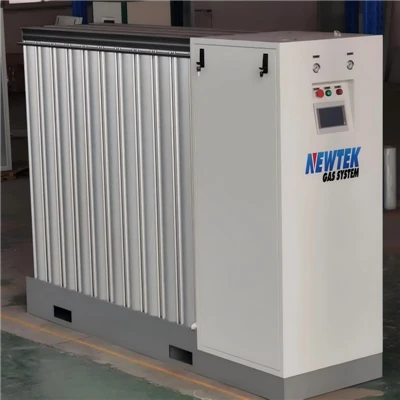
Sewage treatment is a crucial aspect of maintaining public health and environmental balance. In recent years, on - site oxygen generation has emerged as a potential game - changer in the field of sewage treatment. This article will explore the various ways in which on - site oxygen generation impacts sewage treatment processes, from cost - savings to enhanced efficiency and environmental benefits.

The Need for Advanced Sewage Treatment
Environmental Protection
Sewage contains a variety of pollutants, including organic matter, nutrients, and harmful microorganisms. If not treated properly, it can cause significant damage to water bodies, leading to eutrophication, oxygen depletion, and the spread of water - borne diseases. Advanced sewage treatment is essential to remove these pollutants and protect the environment.
Meeting Stringent Regulations
With increasing awareness of environmental issues, regulatory standards for sewage discharge have become more strict. Treatment plants are required to meet specific quality criteria for the treated water before it is released into natural waterways. This necessitates the adoption of more efficient and effective treatment methods.
How On - Site Oxygen Generation Works in Sewage Treatment
Oxygen Generation Technologies
On - site oxygen generators typically utilize technologies such as pressure swing adsorption (PSA) or vacuum pressure swing adsorption (VPSA). These systems extract oxygen from the surrounding air. PSA works by using a molecular sieve to adsorb nitrogen and other gases, leaving behind oxygen - rich gas. VPSA operates in a similar principle but under vacuum conditions, which can enhance the separation efficiency.
Role of Oxygen in Sewage Treatment
Oxygen is vital for aerobic biological processes in sewage treatment. It helps bacteria break down organic matter, converting it into carbon dioxide and water. Additionally, oxygen can oxidize reduced substances, such as ammonia and hydrogen sulfide, reducing odors and preventing the formation of harmful by - products.
Benefits of On - Site Oxygen Generation in Sewage Treatment
Cost - Savings
Reduced Chemical Costs
On - site oxygen generation eliminates the need for purchasing bulk oxygen cylinders or liquid oxygen. This reduces the cost associated with chemical procurement and transportation. For large - scale sewage treatment plants, the savings can be significant over time.
Lower Energy Consumption
Compared to traditional oxygen supply methods, on - site oxygen generation systems can be more energy - efficient. Some systems are designed to operate only when oxygen is needed, reducing standby energy consumption. This leads to lower energy bills and a more sustainable operation.
Enhanced Treatment Efficiency
Faster Organic Matter Decomposition
The continuous supply of oxygen generated on - site enables bacteria to decompose organic matter more rapidly. This speeds up the treatment process, allowing treatment plants to handle larger volumes of sewage in a shorter period.
Improved Nutrient Removal
Oxygen is essential for the nitrification and denitrification processes, which are crucial for removing nitrogen from sewage. On - site oxygen generation ensures a stable and adequate supply of oxygen, enhancing the efficiency of nutrient removal and improving the quality of the treated water.
Environmental Benefits
Reduced Carbon Footprint
By eliminating the need for transporting oxygen from distant suppliers, on - site oxygen generation reduces transportation - related emissions. Additionally, the more efficient operation of the treatment plant due to optimized oxygen supply contributes to lower overall energy consumption and greenhouse gas emissions.
Protection of Aquatic Ecosystems
The improved quality of the treated sewage reduces the impact on receiving water bodies. With lower levels of pollutants, aquatic ecosystems are less likely to be harmed, and water quality is maintained at a higher level.
Long - Term Advantages and Considerations
Equipment Longevity
On - site oxygen generation systems are typically designed for long - term operation. High - quality equipment with proper maintenance can function reliably for over 20 years. This reduces the need for frequent equipment replacement, saving both capital and operational costs in the long run.
Adaptability to Changing Sewage Volumes
Sewage treatment plants often face fluctuations in sewage inflow, depending on seasons, population changes, and other factors. On - site oxygen generation systems can be adjusted to meet varying oxygen demands, ensuring consistent treatment performance regardless of the sewage volume.

Integration with Existing Treatment Processes
These oxygen generation systems can be integrated with existing sewage treatment processes relatively easily. They can be retrofitted into older plants to enhance their treatment capabilities without major process overhauls.
Challenges and Limitations
Initial Investment
The installation of on - site oxygen generation equipment requires a significant initial capital investment. This includes the cost of the oxygen generation system itself, as well as any necessary modifications to the existing treatment infrastructure. Small - scale treatment plants may find this initial cost prohibitive.
Technical Expertise
Operating and maintaining on - site oxygen generation systems requires trained personnel with technical expertise. Treatment plants need to invest in staff training to ensure proper operation and troubleshooting of the equipment.
Energy Source Dependency
The efficiency of on - site oxygen generation systems is often dependent on the availability and cost of the energy source used to power the generation process. Fluctuations in energy prices or unreliable energy supply can impact the cost - effectiveness of these systems.
Conclusion
On - site oxygen generation has the potential to significantly improve sewage treatment processes. It offers cost - savings, enhanced treatment efficiency, and environmental benefits. However, treatment plants need to carefully consider the initial investment, technical requirements, and energy source stability before adopting on - site oxygen generation. With proper planning and implementation, on - site oxygen generation can indeed revolutionize sewage treatment, contributing to a cleaner environment and more sustainable water management.