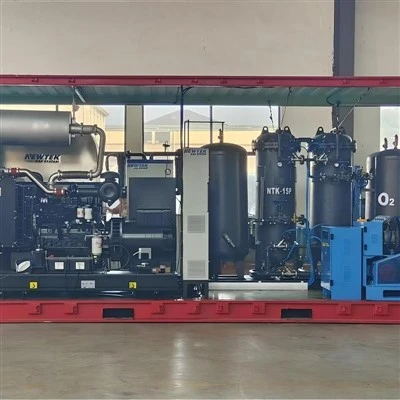
Biogas plants have emerged as important facilities in the pursuit of sustainable energy. They play a crucial role in converting organic waste into valuable energy resources. However, the efficient operation of biogas plants depends on various factors, among which oxygen management is significant.

The Significance of Oxygen in Biogas Plants
Methane Production
In biogas plants, methane (CH4) is the key component that generates energy. The production of methane is highly dependent on the presence of oxygen. Through anaerobic digestion, organic materials such as agricultural waste, sewage, or food waste are broken down in the absence of oxygen. This process produces biogas, mainly composed of methane.
Carbon Dioxide Reduction
Carbon dioxide (CO2) is also a by - product of biogas production. While it is typically removed during the purification process of biogas, the overall efficiency of the plant can be enhanced by reducing CO2 levels. Proper oxygen management can influence the chemical reactions within the plant, potentially leading to lower CO2 emissions.
Anaerobic Digestion Process
The anaerobic digestion process itself does not require oxygen. However, oxygen is essential in the pretreatment and post - treatment stages of biogas production. For example, in the pretreatment of organic waste, oxygen can help break down complex materials, making them more suitable for anaerobic digestion. In the post - treatment stage, oxygen can be used to treat the by - products to reduce environmental impacts.
The Need for Oxygen in Waste - to - Energy Conversion
Pretreatment of Organic Waste
Oxygen is crucial for the pretreatment of organic waste. It helps in breaking down the complex structure of organic materials, increasing the surface area available for anaerobic bacteria to act upon. This leads to more efficient digestion and higher biogas production.
Biogas Upgrading
Biogas upgrading is the process of removing impurities such as hydrogen sulfide (H2S) and CO2 from raw biogas. Oxygen can be used in chemical reactions to convert these impurities into less harmful substances. This improves the quality of the biogas, making it more suitable for use as a clean energy source.
Equipment Maintenance
By maintaining proper oxygen levels, biogas plants can reduce the wear and tear on equipment. Oxygen can prevent the formation of corrosive substances that may damage pipes, valves, and other components. This, in turn, extends the lifespan of the equipment and reduces maintenance costs.
Benefits of On - Site Oxygen Generation in Biogas Plants
Enhanced Biogas Yield and Methane Purity
On - site oxygen generation can create an oxygen - rich environment that promotes the growth of anaerobic bacteria. This leads to higher biogas yields. Moreover, the purity of methane in the biogas can be increased, making the biogas more valuable as an energy source.
Improved Waste Treatment Efficiency
With on - site oxygen generation, the breakdown of organic waste can be more efficient. Oxygen can accelerate the decomposition process, reducing the residence time of waste in the digester. This allows biogas plants to process larger volumes of waste in a shorter period.
Reduced Operational Costs
Continuous availability of oxygen through on - site generation can eliminate the need for purchasing oxygen from external suppliers. This reduces the cost associated with transportation and storage of oxygen cylinders or liquid oxygen. Additionally, the more efficient operation of the plant due to proper oxygen supply can lead to overall cost savings.
Environmental Benefits
On - site oxygen generation can contribute to a more sustainable operation of biogas plants. By improving the efficiency of waste - to - energy conversion, less waste is left untreated, reducing the environmental impact. Moreover, the reduction in CO2 and other harmful emissions during biogas production and upgrading is beneficial for the environment.
How On - Site Oxygen Generation Works in Biogas Plants
Oxygen Generation Technology
On - site oxygen generators typically use technologies such as pressure swing adsorption (PSA) or membrane separation. PSA works by adsorbing nitrogen and other impurities from the air, leaving behind oxygen - rich gas. Membrane separation uses semi - permeable membranes to separate oxygen from other components of the air.
Integration with Biogas Production Process
The generated oxygen is then integrated into the biogas production process. In the pretreatment stage, oxygen can be used to aerate the organic waste, promoting its breakdown. During the digestion process, oxygen can be injected in controlled amounts to enhance the activity of anaerobic bacteria. In the upgrading stage, oxygen - based chemical reactions can be used to purify the biogas.
Monitoring and Control
To ensure the proper use of oxygen, biogas plants need to have sophisticated monitoring and control systems. These systems monitor the oxygen levels in different parts of the plant and adjust the oxygen supply according to the needs of the process. This ensures that oxygen is used efficiently and that the plant operates at its optimal level.
Future Trends in On - Site Oxygen Generation for Biogas Plants
Advanced Oxygen Generation Technologies
Research is ongoing to develop more efficient and cost - effective oxygen generation technologies. New materials and designs for oxygen generators are being explored to increase the purity of generated oxygen and reduce the energy consumption of the generation process.
Integrated Biogas and Oxygen Systems
The integration of biogas plants with on - site oxygen generation systems is expected to become more seamless. This will involve the development of intelligent control systems that can automatically adjust the oxygen supply based on real - time data from the biogas plant, such as waste input rates, biogas production rates, and impurity levels.
Expansion of Biogas Applications
With the improvement in biogas quality due to on - site oxygen generation, the applications of biogas are likely to expand. Biogas can be used not only for electricity generation but also as a vehicle fuel or for heating in residential and commercial buildings. This will further enhance the economic and environmental benefits of biogas plants.
Conclusion
On - site oxygen generation offers significant benefits to biogas plants. It enhances the production of biogas, improves waste treatment efficiency, reduces costs, and provides environmental advantages. As technology continues to advance, the integration of on - site oxygen generation with biogas production is expected to become more widespread and efficient, contributing to a more sustainable energy future.