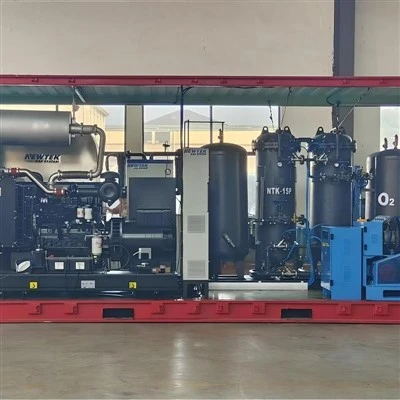
In the global effort to strengthen emergency healthcare resilience, containerized oxygen plants have emerged as a game-changing solution for delivering life-saving medical grade oxygen (MGO) in crisis scenarios. From natural disasters and pandemics to regional health emergencies and humanitarian crises, these self-contained, mobile systems are redefining how emergency medical oxygen is supplied, addressing the critical gaps in traditional oxygen delivery methods that often fail in high-pressure, time-sensitive situations. As healthcare organizations, humanitarian agencies, and governments prioritize emergency preparedness, containerized oxygen plants are becoming an indispensable component of emergency response strategies, offering unmatched speed, reliability, and adaptability to meet surging medical oxygen demand when every minute counts.
Emergency medical oxygen supply is a non-negotiable pillar of effective crisis response, as oxygen is critical for treating a range of life-threatening conditions-including acute respiratory distress syndrome (ARDS), trauma-related injuries, pneumonia, and respiratory failure-all of which are prevalent during emergencies. Traditional emergency oxygen supply methods, such as liquid oxygen (LOX) dewars, high-pressure oxygen cylinders, and temporary skid-mounted systems, often fall short in crisis scenarios due to logistical vulnerabilities, limited capacity, and slow deployment times. LOX delivery relies on complex transportation networks that can be disrupted by natural disasters, infrastructure damage, or supply chain breakdowns, while oxygen cylinders are labor-intensive to transport, refill, and distribute, with limited capacity to meet the sudden surge in demand during large-scale emergencies. Containerized oxygen plants address these limitations by combining the efficiency of on-site oxygen generation with the mobility and rapid deployment capabilities of containerized design, ensuring a continuous, on-demand supply of medical grade oxygen exactly where and when it is needed.
At the core of containerized oxygen plants for emergency medical use is the integration of Pressure Swing Adsorption (PSA) technology-a proven, energy-efficient process that generates high-purity oxygen (typically 93-99.6% purity, meeting international medical standards such as ISO 8359 and ASTM F1464) directly from ambient air. Unlike cryogenic distillation, which is energy-intensive and requires complex infrastructure, PSA technology uses synthetic zeolite molecular sieves to selectively adsorb nitrogen (accounting for 78% of ambient air) under pressure, allowing oxygen (21% of ambient air) to pass through as a high-purity product gas. This purely physical separation process eliminates the need for external oxygen sourcing, storage, or transportation, making containerized PSA plants self-sufficient and resilient in emergency environments where traditional supply chains are compromised.
The containerized design is what sets these systems apart for emergency applications, offering a unique blend of mobility, compactness, and plug-and-play functionality. These plants are fully integrated within standard shipping containers (or custom-designed, weather-resistant containers) that house all critical components: air compressors, PSA adsorption towers, purification systems, oxygen storage tanks, pressure regulators, control panels, and backup power supplies. The container serves as both a protective enclosure and a mobile platform, allowing the entire system to be transported via truck, ship, or aircraft to even the most remote or disaster-stricken regions. Unlike traditional on-site oxygen generation systems that require weeks or months of on-site construction and installation, containerized plants can be deployed and operational within 1 to 3 days of arrival- a critical advantage in emergency scenarios where every hour of delay can cost lives.
One of the defining advantages of containerized oxygen plants for emergency medical supply is their rapid deployment capability, which aligns with the urgent nature of crisis response. Emergency situations-such as earthquakes, hurricanes, floods, or disease outbreaks-often cause widespread infrastructure damage, including the collapse of hospitals, disruption of power grids, and breakdown of transportation networks. In such cases, containerized plants can be airlifted or trucked to affected areas, where they require minimal on-site preparation: connecting to a power source (either grid electricity or a backup generator), attaching oxygen delivery lines to medical facilities or field hospitals, and initiating the PSA process. Many modern systems are designed with "plug-and-play" functionality, allowing trained personnel to have the plant up and running in as little as a few hours, delivering a continuous supply of medical grade oxygen to support emergency care.
Resilience and adaptability are also key features of containerized oxygen plants, making them suitable for the harsh and unpredictable conditions of emergency environments. Container enclosures are engineered to withstand extreme weather-including high winds, heavy rain, extreme temperatures, and dust-with waterproof ratings exceeding IPX4, reinforced steel frames for structural integrity, and insulation layers to maintain optimal operating temperatures inside the unit. The sealed design protects internal components from environmental damage, while ventilation systems ensure proper air circulation and heat dissipation, preventing overheating of compressors and other critical equipment. Additionally, these plants are equipped with backup power systems-such as diesel generators or solar photovoltaic (PV) panels paired with battery storage-to ensure uninterrupted operation even when grid power is unavailable, a common scenario in disaster zones. This resilience ensures that medical oxygen supply remains consistent, even in the most challenging conditions, from high-altitude regions to tropical storm zones.
Scalability is another critical benefit of containerized oxygen plants, allowing emergency response teams to adjust oxygen output based on the severity of the crisis and the number of patients in need. Modular by design, these plants can be deployed individually for small-scale emergencies (such as a local flood or isolated disease outbreak) or in clusters for large-scale disasters (such as a major earthquake or pandemic), where oxygen demand surges exponentially. Single container units typically have an oxygen output capacity ranging from 10 to 100 cubic meters per hour, while multiple units can be connected in parallel to scale capacity further, ensuring that even large field hospitals or temporary medical facilities have access to sufficient oxygen. This scalability eliminates the risk of oxygen shortages during peak demand, a common issue with traditional cylinder or LOX supply methods that have fixed capacity limits.
Technological advancements have further enhanced the effectiveness of containerized oxygen plants for emergency medical use, with smart control systems and remote monitoring capabilities becoming standard features. Modern units are equipped with programmable logic controllers (PLC) and industrial Internet of Things (IIoT) integration, allowing operators to monitor oxygen production, purity, and pressure in real time via mobile or desktop devices. These smart systems can automatically adjust operational parameters to maintain optimal oxygen output, send alerts for potential equipment malfunctions (such as sieve degradation or compressor issues), and enable remote diagnostics-reducing the need for on-site personnel and minimizing downtime. Some advanced systems even feature cloud-based platforms that allow humanitarian agencies or healthcare organizations to track oxygen supply levels across multiple deployment sites, ensuring efficient resource allocation and coordination during large-scale emergencies.
The role of containerized oxygen plants in humanitarian crises and global health emergencies has been increasingly recognized in recent years, with their deployment becoming a standard practice for organizations such as the World Health Organization (WHO), Red Cross, and other international aid agencies. In regions affected by natural disasters, these plants provide a lifeline for communities where hospitals have been destroyed or rendered non-functional, enabling the establishment of temporary field hospitals that can deliver critical care. In pandemic scenarios, containerized plants have proven invaluable in addressing surges in respiratory illness, ensuring that hospitals and clinics have a reliable oxygen supply to treat patients with severe symptoms. Additionally, these plants are often used in remote or underserved regions with limited healthcare infrastructure, serving as a permanent or semi-permanent emergency oxygen supply solution, ready to activate quickly in the event of a crisis.
Containerized oxygen plants also offer significant advantages in terms of safety and cost-effectiveness compared to traditional emergency oxygen supply methods. LOX and high-pressure cylinders pose significant safety risks in emergency environments-including the potential for leaks, explosions, or frost burns-especially when handled by untrained personnel or in damaged facilities. Containerized plants, by contrast, are designed with multiple safety features, including pressure relief valves, leak detection systems, and fire suppression equipment, minimizing these risks. From a cost perspective, containerized plants eliminate the recurring expenses associated with LOX delivery (transportation, storage, and refueling) and oxygen cylinder refills, making them a more cost-effective solution for long-term emergency preparedness and response. While the initial investment may be higher, the long-term savings and reliability make them a worthwhile investment for governments and humanitarian organizations looking to strengthen their emergency healthcare capabilities.
Key industry terminology underscores the specialized nature of containerized oxygen plants for emergency medical supply, bridging emergency response, medical gas engineering, and crisis management. Terms such as medical grade oxygen (MGO), Pressure Swing Adsorption (PSA), zeolite molecular sieves, plug-and-play deployment, modular scalability, and IIoT remote monitoring are central to understanding the technology's value proposition. Other critical terms include emergency oxygen resiliency, field hospital oxygen supply, backup power integration, and containerized medical gas systems-all of which are integral to the design, deployment, and operation of these systems in emergency scenarios. Additionally, terms like cryogenic distillation (a traditional oxygen production method), oxygen dewars, and high-pressure cylinders are often referenced in contrast to containerized PSA systems, highlighting the latter's advantages in emergency settings.
Regional trends in emergency healthcare preparedness reflect the growing adoption of containerized oxygen plants worldwide. In disaster-prone regions-such as Southeast Asia, the Caribbean, and parts of Africa-governments are investing in containerized oxygen fleets to enhance their emergency response capabilities, ensuring that medical oxygen can be rapidly deployed to affected areas. In low- and middle-income countries (LMICs), where healthcare infrastructure is often limited, these plants are being used to establish emergency oxygen hubs, providing a reliable supply for both crisis response and routine emergency care. In high-income countries, containerized plants are integrated into national emergency preparedness plans, serving as a backup to traditional hospital oxygen systems in the event of power outages or infrastructure failures. Additionally, international aid programs are increasingly providing containerized oxygen plants to developing nations, helping to strengthen their healthcare resilience and reduce reliance on imported oxygen supplies during emergencies.
Looking ahead, the adoption of containerized oxygen plants for emergency medical oxygen supply is poised to grow, driven by ongoing global efforts to improve emergency healthcare resilience, technological advancements, and the lessons learned from recent crises. Manufacturers are continuing to refine the design of these systems, focusing on reducing size and weight for easier transportation, improving energy efficiency to reduce reliance on external power sources, and enhancing smart monitoring capabilities to enable more efficient remote management. Additionally, there is a growing focus on integrating renewable energy sources-such as solar and wind power-into containerized systems, further enhancing their resilience in off-grid emergency environments. As the global community recognizes the critical role of reliable emergency oxygen supply in saving lives, containerized oxygen plants will continue to evolve as a cornerstone of emergency healthcare preparedness and response.
Industry experts emphasize that the long-term effectiveness of containerized oxygen plants in emergency scenarios depends on three key factors: proper training for personnel responsible for deployment and operation, regular maintenance to ensure systems are ready for activation at a moment's notice, and collaboration between governments, humanitarian organizations, and technology providers to ensure equitable access to these critical systems. As emergency healthcare needs continue to evolve-with more frequent natural disasters and emerging public health threats-the demand for containerized oxygen plants will only increase, solidifying their role as an essential tool in saving lives during crises.
In summary, containerized oxygen plants are transforming emergency medical oxygen supply by offering a fast, reliable, and adaptable solution that addresses the limitations of traditional methods. Their containerized design enables rapid deployment to even the most remote or disaster-stricken regions, while PSA technology ensures on-demand generation of high-purity medical oxygen, eliminating reliance on fragile supply chains. With their scalability, resilience, and smart monitoring capabilities, these systems are becoming an indispensable component of emergency healthcare preparedness, helping to ensure that life-saving oxygen is available when and where it is needed most. As global efforts to strengthen emergency response capabilities continue, containerized oxygen plants will play an increasingly critical role in protecting public health and saving lives during crises worldwide.