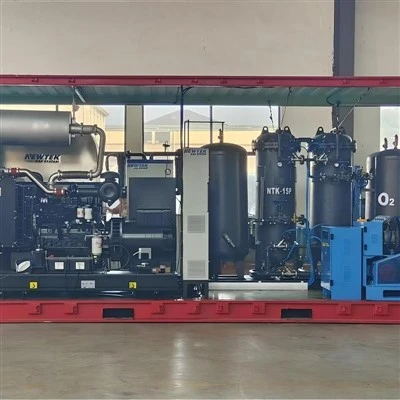
The aquaculture industry has witnessed remarkable growth in recent years to meet the surging global demand for seafood. However, this expansion brings with it a host of challenges, prominently in the domain of wastewater management. Proper handling of aquaculture wastewater is not only essential for maintaining water quality but also crucial for the long - term viability and sustainability of the industry.

The Significance of Aeration in Aquaculture Wastewater Treatment
Biological Reactions
Aeration is fundamental in facilitating biological reactions that break down organic matter and pollutants present in the wastewater. Microorganisms thrive in the presence of adequate oxygen levels, which enables them to decompose the organic substances efficiently. This decomposition process helps in reducing the chemical oxygen demand (COD) and biological oxygen demand (BOD) of the wastewater, making it less harmful to the environment.
Nitrification
In aquaculture systems, the accumulation of ammonia is a significant concern. Aeration promotes the nitrification process, where ammonia - oxidizing bacteria convert ammonia into nitrite, and then nitrite - oxidizing bacteria further convert nitrite into nitrate. This conversion is crucial as ammonia is toxic to aquatic life, while nitrate is relatively less harmful and can be assimilated by plants or removed through other means.
Prevention of Anaerobic Conditions
Anaerobic conditions in aquaculture wastewater can lead to the production of foul - smelling gases such as hydrogen sulfide. By ensuring proper aeration, the formation of these anaerobic zones is prevented, maintaining a healthier environment for both the aquatic organisms and the surrounding ecosystem.
Challenges in Aquaculture Wastewater Management
Organic Load
The uneaten feed and fish waste accumulate in the water, leading to a high organic load. This organic matter needs to be decomposed, and without proper aeration and treatment mechanisms, it can cause water quality degradation.
Pathogen Growth
Pathogens can thrive in the wastewater, and if not treated properly, they can pose a risk to the health of the aquatic organisms in the aquaculture system and potentially spread to natural water bodies.
Environmental Impact
Improper discharge of untreated aquaculture wastewater can have far - reaching environmental consequences. It can lead to eutrophication of water bodies, harm aquatic plants and animals, and disrupt the ecological balance of the receiving environment.
Aeration Techniques and Their Benefits
Surface Aerators
Surface aerators create turbulence on the water surface, facilitating the exchange of oxygen between the air and the water. They are effective in relatively shallow ponds and can cover a large surface area, enhancing the oxygen transfer rate.
Diffused Aeration Systems
These systems release fine bubbles of air from the bottom of the water body. The small - sized bubbles have a large surface - to - volume ratio, which promotes efficient oxygen transfer. Diffused aeration systems are suitable for deeper ponds and can provide a more uniform distribution of oxygen.
Mechanical Aerators
Mechanical aerators, such as paddlewheel aerators, work by physically moving the water, increasing the contact between the water and the air. They are energy - efficient and can be adjusted according to the specific oxygen requirements of the aquaculture system.
Benefits of Aeration
Improved Water Quality: Aeration helps in reducing the levels of harmful substances such as ammonia, nitrite, and organic matter, resulting in cleaner and healthier water for the aquatic organisms.
Enhanced Growth of Aquatic Organisms: Adequate oxygen levels provided by aeration promote the growth and well - being of fish and other aquatic species, leading to higher productivity.
Reduction of Odors: By preventing anaerobic conditions, aeration helps in minimizing the production of foul - smelling gases, improving the overall environment around the aquaculture facility.
Alternative and Complementary Wastewater Treatment Methods
Biofilters
Biofilters use beneficial microorganisms attached to a medium to remove pollutants from the wastewater. They work in conjunction with aeration to enhance the decomposition of organic matter and the conversion of ammonia.
Sedimentation Tanks
Sedimentation tanks allow the heavier particles in the wastewater, such as uneaten feed and fish excreta, to settle at the bottom. The clarified water can then be further treated with aeration and other purification methods.
Phytoremediation
Phytoremediation involves the use of aquatic plants to absorb nutrients and pollutants from the wastewater. The plants, along with proper aeration, can help in purifying the water and reducing the environmental impact of the aquaculture wastewater.
The Future of Aeration in Aquaculture Wastewater Treatment
As the aquaculture industry continues to grow, there is an increasing need for more advanced and efficient wastewater treatment methods. Research is ongoing to develop aeration systems that are more energy - efficient, cost - effective, and capable of handling larger volumes of wastewater.
Innovations such as intelligent aeration control systems, which adjust the aeration rate based on real - time water quality parameters, are being explored. These systems have the potential to optimize the use of energy and resources while ensuring effective wastewater treatment.
Conclusion
Aeration plays a crucial role in aquaculture wastewater treatment. It is essential for maintaining water quality, promoting the health of aquatic organisms, and minimizing the environmental impact of the industry. While aeration is a key component, it should be integrated with other wastewater treatment techniques to achieve comprehensive and sustainable management of aquaculture wastewater. As the industry evolves, continued research and innovation in aeration and related treatment methods will be vital to meet the growing challenges of wastewater management in aquaculture.