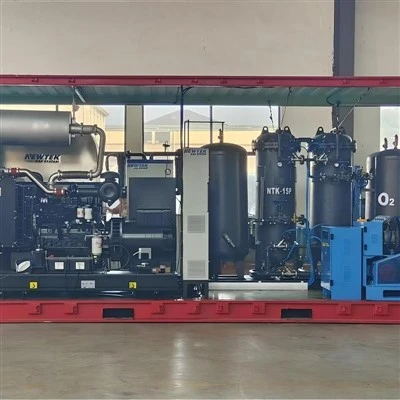
In various industrial processes, oxygen plays a crucial role. From biogas treatment to other chemical and manufacturing operations, the proper supply of oxygen is essential. However, the choice of how oxygen is delivered can have significant implications on costs, logistics, and long - term operational stability. This article will explore the different oxygen supply options and analyze their respective impacts.

Factors Influencing Oxygen Consumption
Biogas Flow Rate
The flow rate of biogas is a key determinant of oxygen consumption. In processes involving biogas treatment, higher flow rates necessitate a greater supply of oxygen for effective treatment. This is because a larger volume of biogas requires an adequate amount of oxygen to ensure proper chemical reactions take place. If the oxygen supply is insufficient relative to the biogas flow rate, the treatment process may be incomplete, leading to sub - optimal results.
H2S Concentration
Hydrogen sulfide (H2S) is often present in raw biogas. When the H2S concentration is elevated, a greater input of oxygen is required for complete desulfurization. H2S is a harmful compound that needs to be removed, and oxygen is used in the chemical reactions that convert H2S into less harmful substances. Without sufficient oxygen, the desulfurization process may not be thorough, leaving behind residual H2S that can cause issues such as corrosion in equipment and negative environmental impacts.
Desired Treated Gas Quality
With increasingly strict emission regulations, achieving a high - quality treated gas has become more demanding. To meet these standards, additional oxygen use may be necessary. The treated gas must meet specific criteria regarding the levels of pollutants and other components. Oxygen is often a critical component in the reactions that help to purify the gas to the required quality level.
Oxygen Cylinders: Costs and Considerations
Capital Costs
When considering oxygen cylinders, the initial capital investment is relatively low. This is because it is possible to start with a small number of cylinders, racks, and basic safety equipment. However, it is important to note that as the operation expands, additional investment in cylinders and storage facilities may be required.
Operational Costs
The ongoing operational costs for oxygen cylinders can be quite high. Regular purchases of cylinders are necessary, especially for continuous operations. Delivery charges can add significantly to the cost, especially for plants located in remote areas. Additionally, if cylinder rentals are involved, there may be costs associated with handling replacements and potential demurrage charges for unused cylinders.
Long - Term Considerations
Relying on oxygen cylinders creates a significant reliance on external suppliers. This can lead to supply chain vulnerabilities. Costs can be sensitive to price fluctuations and location - based surcharges. For example, if the supplier faces production issues or if there are transportation problems due to weather or other factors, the supply of oxygen cylinders may be disrupted, affecting the operation.
Logistical and Environmental Challenges
Oxygen cylinders require safe storage spaces that comply with regulations. Regular cylinder deliveries contribute to increased transportation emissions. The need to handle and store cylinders safely also requires additional labor and resources, adding to the overall logistical complexity.
Liquid Oxygen (LOX): Costs and Considerations
Capital Costs
The installation of bulk LOX storage tanks, associated piping, and safety equipment represents a significant capital investment. However, once these facilities are in place, they can provide a more stable and long - term solution for oxygen supply.
Operational Costs
The unit cost for oxygen from LOX is generally lower compared to cylinders. However, there is a higher upfront commitment due to minimum order quantities. Delivery charges are less frequent but can be potentially high depending on the location. Training for handling cryogenic liquids is mandatory, which adds an initial cost but ensures safe operation.
Long - Term Considerations
Using LOX reduces logistical frequency compared to cylinders but is still dependent on supplier delivery schedules. Contracts with LOX suppliers are often long - term, typically up to 5 years. This long - term commitment requires careful consideration of the supplier's reliability and pricing stability.
Environmental Impact
Although LOX deliveries are less frequent than cylinder deliveries, emissions from transportation still occur. However, the overall environmental impact may be lower due to fewer delivery trips.
Comparison and Decision - Making
When deciding between oxygen cylinders and liquid oxygen, several factors need to be considered. For small - scale operations with limited initial capital and intermittent oxygen needs, oxygen cylinders may be a viable option. However, for larger - scale and continuous operations, liquid oxygen may offer cost - savings in the long run despite the higher initial investment.
Operational stability is also a crucial factor. If supply chain disruptions cannot be tolerated, a more reliable oxygen supply method, such as LOX with proper supplier agreements, may be preferred.
Future Trends and Alternatives
The search for more efficient and cost - effective oxygen supply methods is ongoing. Some emerging trends include on - site oxygen generation technologies. These systems can produce oxygen on - site, reducing reliance on external suppliers and potentially lowering both capital and operational costs.
Another area of research is the improvement of oxygen storage and delivery systems to enhance safety and reduce environmental impacts. This includes the development of more efficient cryogenic storage technologies and more sustainable transportation methods for oxygen supply.
Conclusion
The choice of oxygen supply method has far - reaching implications for industrial operations. It impacts not only the financial bottom line but also operational stability and environmental sustainability. By carefully considering the factors such as capital costs, operational costs, long - term considerations, and environmental impacts, industries can make informed decisions to ensure efficient and reliable oxygen supply for their processes. As technology and industry practices evolve, new options may emerge, providing even better solutions for oxygen supply in the future.