Oxygen availability is a critical factor in aquaculture production, particularly when stocking density, feeding intensity, and animal biomass reach their highest levels. During peak production periods, fish and shrimp consume more oxygen, while biological decomposition and changing environmental conditions create additional demand. Rising water temperatures and reduced photosynthetic activity can further decrease dissolved oxygen availability.
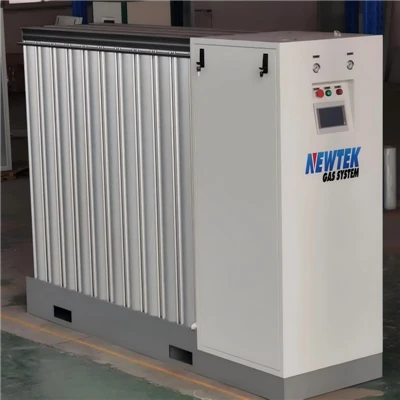
A supply system that performs adequately during early production stages may become insufficient as animals grow. Maintaining stable oxygen conditions therefore requires more than increasing aeration capacity. Operators need to evaluate peak oxygen requirements, optimize oxygen delivery, monitor water conditions, and prepare backup supply arrangements. A properly sized PSA oxygen generator can provide an on-site oxygen source to support continuous operation during periods of high demand.

Understanding the Factors Behind Peak Oxygen Demand
Several biological and environmental factors contribute to increased oxygen consumption during intensive aquaculture production.
Increasing Biomass and Stocking Density
As fish and shrimp grow, their combined oxygen consumption increases. High stocking density also places greater pressure on available dissolved oxygen, particularly in tanks and ponds with limited water circulation.
Feeding Intensity and Organic Waste
Higher feeding volumes increase animal metabolic activity. Uneaten feed and accumulated waste also stimulate microbial decomposition, which consumes additional oxygen. In recirculating aquaculture systems (RAS), biological filtration creates another oxygen requirement because nitrifying bacteria need oxygen to process ammonia.
Temperature and Daily Oxygen Fluctuations
Water temperature affects both oxygen availability and animal metabolism. Warmer water holds less dissolved oxygen, while the respiratory requirements of many aquatic species increase within their suitable temperature ranges.
Outdoor ponds face additional challenges:
- Photosynthesis increases oxygen production during daylight.
- Respiration continues throughout the night.
- Dissolved oxygen often reaches its lowest level shortly before sunrise.
- Cloudy weather, algal die-offs, and heavy rainfall can disrupt normal oxygen conditions.
Understanding these factors helps operators anticipate periods of increased demand rather than responding only after oxygen levels have declined.
Calculating Oxygen Requirements for Different Aquaculture Systems
Accurate demand assessment is the foundation of oxygen supply planning. Equipment should be selected according to maximum expected production loads rather than initial stocking levels or average daily consumption.
Estimate Maximum Biomass
The first step is to calculate the expected standing biomass before harvesting.
Oxygen Demand (kg/h) = Biomass (kg) × Specific Oxygen Consumption (kg O₂/kg biomass/h)
For example, 20,000 fish with an average weight of 0.5 kg represent a total biomass of 10,000 kg.
This estimate provides a starting point for calculating oxygen consumption. Actual requirements should be determined using species-specific respiration data, water temperature, feeding activity, and production conditions.
Account for Different Production Systems
| Aquaculture system | Main oxygen considerations |
|---|---|
| Pond aquaculture | Biomass, algae activity, organic waste, and nighttime depletion |
| Tank-based systems | Stocking density, water circulation, and oxygen distribution |
| RAS | Animal respiration, biofilter demand, and continuous water treatment |
| Raceway systems | Water flow, exchange rates, and oxygen levels at inlets and outlets |
Operators should also establish species-appropriate dissolved oxygen targets. Approximately 5 mg/L or higher is a commonly used general reference for many warmwater operations, but actual requirements vary by species and production stage.
Include Reserve Capacity
Capacity planning should account for:
- Maximum expected biomass and feeding rates.
- Oxygen consumption from biological filtration.
- Oxygen transfer losses during delivery.
- Equipment maintenance and unexpected demand increases.
- Potential production expansion.
Adequate reserve capacity provides an operating margin without requiring the system to run continuously at maximum output.
Selecting the Right Oxygen Supply and Generation Capacity
The oxygen supply arrangement should match the production scale, required flow rate, delivery pressure, and operating conditions of the facility.
Oxygen Generation Capacity
Oxygen generation capacity should be calculated according to total oxygen demand and the amount of oxygen that can actually be transferred into the water. Nominal generator output alone does not indicate how much oxygen will become available to cultured animals.
An undersized system may struggle during high-temperature periods or intensive feeding schedules. Excessive oversizing, however, can increase capital and operating costs.
Important Equipment Selection Parameters
| Parameter | Selection consideration |
|---|---|
| Oxygen purity | Match the requirements of downstream oxygenation equipment |
| Flow rate | Meet maximum expected oxygen demand |
| Delivery pressure | Ensure compatibility with pipelines and injection devices |
| Operating capacity | Support continuous production requirements |
| Control system | Allow adjustment according to dissolved oxygen conditions |
| Maintenance | Provide accessible inspection and servicing points |
Mechanical aeration introduces atmospheric air into water through surface agitation or diffused air. It supports oxygen transfer and water circulation, making it useful for ponds and conventional tank systems.
Supplemental oxygenation introduces gas with a higher oxygen content than atmospheric air. It can provide additional oxygen delivery in intensive production environments where conventional aeration alone is insufficient.
These methods can work together rather than being treated as competing alternatives.
For larger facilities, modular oxygen generation configurations can also provide operational flexibility. Multiple units allow generation capacity to be adjusted according to production demand and help reduce dependence on a single piece of equipment.
Optimizing Oxygen Transfer and Distribution Efficiency
Generating sufficient oxygen is only part of the process. Oxygen must enter the water effectively and reach the locations where animals and biological treatment processes require it.
Improve Gas-Water Contact
Oxygen transfer efficiency depends on bubble size, contact time, water depth, pressure, temperature, and existing dissolved oxygen levels.
Common oxygen delivery methods include:
- Fine-bubble diffusers for gas dispersion in tanks and treatment systems.
- Oxygen cones for more intensive oxygen dissolution.
- Pressurized injection devices for controlled oxygen delivery.
- Surface aerators for oxygen transfer and water movement.
The appropriate method depends on tank configuration, water flow, production density, and operating requirements.
Maintain Effective Distribution
Poor pipeline design can cause uneven oxygen delivery, even when the generation equipment has sufficient capacity.
Operators should consider pipeline diameter, branch connections, pressure losses, and simultaneous flow requirements. In multi-tank facilities, individual flow control points allow oxygen delivery to be adjusted according to each production unit's demand.
Water circulation is equally important. Diffuser positioning, tank geometry, and inlet and outlet locations should be evaluated to prevent stagnant areas and localized oxygen deficiencies.
Monitoring Dissolved Oxygen and Automating Supply Control
Continuous monitoring allows operators to identify declining oxygen levels before they become a serious production problem.
Sensor Placement and Measurement
Dissolved oxygen sensors should be installed at representative locations rather than only near oxygen injection points.
Critical monitoring areas may include:
- Tank inlets and outlets.
- Areas with high animal populations.
- Locations with limited water circulation.
- Biofilters and other biological treatment units.
Fixed sensors provide continuous measurements, while portable meters help verify readings and investigate individual locations. Regular calibration and cleaning are essential to maintain measurement accuracy.
Automated Supply Adjustment
An automated oxygen control system can connect dissolved oxygen sensors, control valves, flow meters, and oxygen generation equipment.
Basic control process:
- Measure dissolved oxygen in the culture water.
- Compare readings with predefined operating targets.
- Increase oxygen delivery when levels decline.
- Adjust supply when dissolved oxygen returns to the required range.
- Activate alarms when readings or equipment conditions exceed established limits.
More advanced control arrangements can also incorporate temperature, feeding schedules, and historical operating data. Manual override functions should remain available for equipment failures and unusual operating conditions.

Coordinating Feeding, Water Quality, and Oxygen Management
Stable oxygen conditions depend on more than supply equipment. Feeding practices and water quality management directly influence how much oxygen the culture environment consumes.
Adjust Feeding to Available Oxygen
Feeding schedules should consider dissolved oxygen levels and animal activity. When oxygen approaches the established intervention threshold, reducing or temporarily suspending feeding can help prevent additional demand.
Feed quantities should also reflect actual biomass and consumption. Minimizing uneaten feed reduces organic waste and the oxygen required for its decomposition.
Control Organic Waste and Biological Filtration
Mechanical filtration, regular solids removal, and appropriate water exchange help control organic matter accumulation.
In RAS facilities, biofilters require sufficient oxygen to support nitrification. Operators should monitor biofilter loading, water flow, and biological treatment performance rather than focusing exclusively on dissolved oxygen in culture tanks.
Maintain Suitable Water Conditions
Temperature, circulation, and water quality should be managed together. Shading and appropriate water exchange may help reduce excessive heating in outdoor ponds, while effective circulation helps distribute oxygen and prevent localized waste accumulation.
These practices reduce unnecessary biological oxygen demand and improve the effectiveness of the overall supply system.
Maintaining Reliable Oxygen Supply During Emergencies and Adverse Conditions
Unexpected weather changes, equipment failures, and power interruptions can create sudden oxygen shortages. Emergency preparation is particularly important in high-density facilities where even a short supply interruption can affect large numbers of cultured animals.
Respond to Environmental Changes
Operators should pay particular attention to:
- Nighttime and pre-dawn oxygen declines.
- Extended cloudy weather and reduced photosynthesis.
- Sudden algal die-offs.
- Heavy rainfall and temperature changes.
- Unexpected increases in stocking-related demand.
When these conditions occur, monitoring frequency should increase, and additional aeration or oxygen delivery should be activated when necessary.
Establish Backup Oxygen and Power Supply
Backup arrangements may include stored oxygen, independent generation units, or secondary supply connections. Their capacity should reflect critical production demand and the time needed to restore normal operation.
Emergency power is also important because compressors, pumps, aerators, and automated control systems may depend on continuous electricity.
Routine inspections should cover:
- Compressors and air treatment equipment.
- Oxygen generation and distribution components.
- Pipelines, valves, and pressure regulators.
- Diffusers and injection devices.
- Sensors, alarms, and control systems.
- Backup generators and emergency connections.
A written response procedure should identify personnel responsibilities, equipment activation steps, and the priority of individual production units.
Conclusion
Maintaining stable oxygen supply during peak aquaculture demand requires coordinated management of oxygen generation, transfer efficiency, water circulation, feeding practices, and water quality.
As biomass and production intensity increase, facilities must ensure that their supply systems can support maximum expected demand. Selecting an appropriately sized PSA oxygen generator for on-site oxygen production, together with continuous dissolved oxygen monitoring, automated control, and efficient distribution, helps maintain stable operating conditions.
Emergency backup arrangements and preventive maintenance provide additional protection against unexpected interruptions. By integrating these measures into a comprehensive oxygen management strategy, aquaculture operators can reduce oxygen-related production risks, improve resource efficiency, and support consistent performance throughout the production cycle.