Newtek (Hangzhou) Energy Technology Co., Ltd.
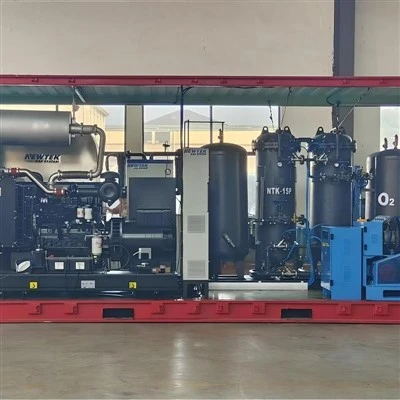
Newtek (Hangzhou) Energy Technology Co., Ltd., a global leader in on-site gas generation systems, has solidified its reputation as an innovator in pressure swing adsorption (PSA) and vacuum pressure swing adsorption (VPSA) technology. With a portfolio spanning skid-mounted, containerized, and modular PSA oxygen plants, the company serves diverse sectors-medical facilities, mining operations, industrial manufacturing, and food processing-across 100+ countries.
A key focus of Newtek's engineering is addressing noise, a persistent challenge in PSA equipment that can hinder regulatory compliance, compromise workplace safety, and reduce operator comfort. PSA oxygen plants generate noise through mechanical processes, airflow turbulence, and component vibration, which can exceed 85 dB in unmodified systems-levels that risk hearing damage and disrupt sensitive environments. Newtek's solution integrates acoustic engineering, material science, and adaptive design, ensuring its PSA oxygen plants operate quietly without sacrificing efficiency. This commitment to low-noise performance has made the company a preferred partner for clients in noise-sensitive industries.


Understanding noise sources in PSA oxygen equipment
PSA oxygen plants produce noise through interconnected mechanical and fluid dynamic processes, with four primary sources:
Compressors
Compressors pressurize ambient air for the PSA system, and their operation creates two types of noise:
Mechanical noise: From rotating motors, piston/crankshaft movement, and bearing friction. Reciprocating compressors-common in medium-capacity systems-produce pulsating noise (50–200 Hz), while centrifugal compressors in large-scale plants generate high-frequency noise (1,000–5,000 Hz) from turbulent airflow through impellers.
Aerodynamic noise: From air turbulence in intake filters and discharge lines, amplified by high flow rates. Larger compressors, handling more air, naturally generate higher noise levels, often exceeding 90 dB in unmodified form.
Valve actuation
PSA systems rely on solenoid or pneumatic valves to switch airflow between adsorption towers during cycle transitions. Rapid valve opening/closing (often in milliseconds) creates pressure spikes, generating impulsive noise-sharp, short bursts (100–500 Hz) that can be particularly disruptive in quiet environments. In high-purity applications, where cycles repeat every 60–120 seconds, this noise becomes a persistent background disturbance.
Gas flow and pressure fluctuations
High-velocity gas movement through pipes, filters, and adsorption towers generates aerodynamic noise, driven by turbulence:
Turbulent flow: At pipe bends, sudden diameter changes, or filter media, airflow becomes chaotic, creating noise across a broad frequency range (200–10,000 Hz).
Pressure release: During regeneration, trapped nitrogen is vented, producing "whooshing" noise as high-pressure gas expands into the atmosphere. This is especially pronounced in VPSA systems, which use vacuum for regeneration.
Structural vibrations
Mechanical vibrations from compressors, motors, and pumps transmit through the equipment frame, piping, and mounting surfaces, radiating as structure-borne noise. These vibrations can resonate with nearby components (metal panels, pipe brackets), amplifying noise. Uncontrolled resonance can increase noise levels by 10–15 dB, turning moderate noise into a significant issue.
Newtek's integrated approach to noise reduction
Newtek addresses PSA noise through a multi-layered strategy, combining targeted component design, material innovation, and system-level optimization. This approach is embedded in all its PSA oxygen plants, from compact medical units to large industrial systems:
Compressor optimization
Compressors are the loudest component, so Newtek prioritizes designs that minimize noise at the source:
Low-noise compressor selection: For medical and urban applications, scroll compressors are favored for their smooth, orbital motion, which reduces pulsation noise compared to reciprocating models. Industrial systems use variable-speed drive (VSD) compressors that adjust motor speed to match oxygen demand, avoiding constant high-speed operation-a major source of noise.
Acoustic enclosures: Compressors are housed in custom enclosures lined with sound-absorbing materials. Open-cell polyurethane foam dampens high-frequency noise (1,000–10,000 Hz), while dense mineral wool absorbs mid-range frequencies (200–1,000 Hz). The enclosure's steel shell acts as a barrier, reflecting noise back inward, and is lined with mass-loaded vinyl to block low-frequency transmission.
Vibration isolation: Compressors are mounted on spring isolators or rubber damping pads, tailored to their weight and operating frequency. Spring isolators excel at reducing low-frequency vibrations (5–30 Hz), while rubber pads dampen higher frequencies (30–100 Hz), preventing vibration transmission to the system frame and surrounding structure.
Valve and flow control
Valve actuation and gas flow are optimized to minimize turbulence and pressure spikes:
Proportional valve control: Newtek uses proportional solenoid valves instead of on/off valves in sensitive applications. These valves open gradually, reducing pressure spikes and impulsive noise by 15–20 dB. For high-purity systems requiring frequent cycling, valve timing is synchronized to spread out noise events, avoiding rapid, repeated bursts.
Aerodynamic flow design: Piping systems are engineered using computational fluid dynamics (CFD) to minimize turbulence. Gradual bends (radius ≥3x pipe diameter), tapered reducers, and diffusers with perforated plates break up high-velocity gas streams, reducing airflow noise. Filters are oversized to lower flow velocity through media, a key source of turbulence.
Valve silencers: Vent valves during regeneration are fitted with multi-stage silencers. These devices use baffles to slow gas flow and absorb noise, reducing venting noise by 25–30 dB. Silencers are sized to match gas volume, ensuring they do not impede regeneration efficiency.
System-level design
Newtek's skid-mounted and containerized designs leverage structural features for inherent noise reduction:
Containerized systems: These self-contained units use insulated steel walls (2–3 mm thick) as natural sound barriers. Internal surfaces are lined with acoustic foam to absorb reflections, while ventilation is routed through acoustic louvers-perforated panels with sound-absorbing cores that allow airflow while blocking noise. This design typically reduces external noise by 30–40 dB compared to open systems.
Skid-mounted systems: Skids are constructed with rigid steel frames to minimize resonance. Piping is secured with vibration-damping clamps (rubber-lined to absorb vibrations), and gaps between components are sealed with acoustic caulk to prevent noise leakage. For large systems, skids are mounted on vibration-damping mats to isolate them from the floor, reducing structure-borne noise transmission.
Operational intelligence
Newtek's PSA equipments use smart controls to optimize noise levels during operation:
Adaptive cycle timing: The PLC adjusts adsorption/regeneration cycles based on demand. During low-demand periods (night in hospitals), cycles are lengthened to reduce valve actuation frequency, lowering cumulative noise.
Vibration monitoring: Sensors track vibration frequencies in compressors and motors. Deviations from baseline patterns (increased amplitude at 50 Hz) alert operators to potential issues (worn bearings) before they escalate into excessive noise.
Noise mapping: Advanced systems have acoustic sensors that generate real-time noise maps, identifying hotspots (a noisy valve or loose pipe) for targeted maintenance.
Application-specific noise solutions
Hospitals and clinics require noise levels below 55 dB to protect patient recovery. Newtek's medical PSA plants:
Enhanced compressor enclosures with double-layer insulation (foam + mineral wool) to meet ISO 3744 acoustics standards.
Low-velocity piping (≤10 m/s) to minimize airflow noise, with flexible hoses between rigid sections to dampen vibration.
Silent valve actuation using servo-controlled valves that open over 2–3 seconds, eliminating impulsive noise.
In areas with strict noise regulations, Newtek's containerized plants feature:
Acoustic barriers around ventilation louvers, combining sound absorption and reflection to meet daytime limits (typically 65 dB) and nighttime limits (55 dB).
Underground discharge piping for regeneration gas, routing noise away from surface-level receptors.
Customized insulation based on local audits-adding lead sheets to enclosures for extreme low-frequency noise reduction.
While regulations are often less strict, excessive noise impacts worker safety. Newtek's mining systems:
Weather-resistant enclosures with stainless steel exteriors and internal acoustic liners, protecting components from dust and moisture while reducing noise.
Operator cabins with soundproofing (double-glazed windows, acoustic seals) to keep internal noise below 85 dB, the threshold for hearing protection requirements.
Vibration-damping skids mounted on rubber pads to withstand rough terrain, preventing noise amplification through ground transmission.
Sustaining low-noise performance
Newtek's noise-reduction approach extends beyond design to ensure long-term effectiveness:
Technicians conduct pre-installation site surveys to assess:
Acoustic environment: Identifying reflective surfaces (concrete walls) that might amplify noise, allowing adjustments.
Vibration transmission paths: Ensuring skids are mounted on vibration-damping mats if placed on hollow floors, which can resonate.
Piping routing: Avoiding contact between pipes and building structures, using isolation brackets to prevent noise transfer.
Regular service preserves noise-reduction features:
Compressor servicing: Cleaning air filters to maintain airflow (clogged filters increase turbulence noise) and lubricating bearings to reduce friction-related sound.
Valve inspection: Replacing worn valve seals, which can cause whistling.
Acoustic material checks: Replacing compressed foam or damaged insulation in enclosures to maintain absorption efficiency.
Newtek trains staff to:
Adjust VSD settings to balance oxygen output and noise-limiting maximum compressor speed during night shifts.
Interpret noise data from system sensors, distinguishing normal operation from abnormal noise indicating component wear.
Use temporary measures (portable acoustic barriers) during maintenance to contain noise spikes.
Newtek's noise solutions in practice
Southeast Asian hospital: A 300-bed facility required oxygen plants near patient wards with night-time noise limits of 45 dB. Newtek installed skid-mounted systems with enhanced enclosures and silent valves, achieving 42 dB-below the threshold and eliminating complaints.
European food packaging plant: Located 500 meters from a residential area, the plant needed to meet 55 dB night limits. Newtek's containerized PSA unit, with underground venting and acoustic louvers, reduced noise to 52 dB, passing local authority audits.
African gold mine: Workers reported hearing fatigue from 95 dB equipment noise. Newtek retrofitted vibration isolators and operator cabins, reducing exposure to 80 dB and eliminating the need for mandatory hearing protection.
Balancing performance and quiet operation
Noise in PSA equipment is not inevitable-with targeted design, material innovation, and application-specific optimization, it can be effectively managed. Newtek (Hangzhou) Energy Technology Co., Ltd. exemplifies this, integrating compressor enclosures, vibration isolation, aerodynamic flow design, and smart controls to deliver PSA oxygen plants that meet strict noise standards without compromising efficiency.
By addressing noise at every stage-from component selection to maintenance-Newtek ensures its systems thrive in diverse environments, from quiet hospitals to bustling industrial zones. For clients, this means compliance, improved working conditions, and operational continuity-proving that advanced gas generation technology can coexist harmoniously with low-noise requirements.
As industries increasingly prioritize performance and workplace well-being, Newtek's focus on acoustic engineering reinforces its role as a leader in user-centric PSA solutions.