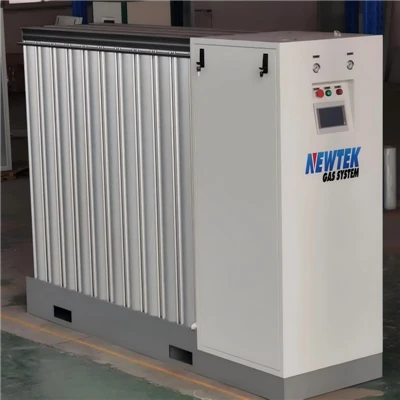
Newtek (Hangzhou) Energy Technology Co., Ltd.
Newtek (Hangzhou) Energy Technology Co., Ltd., a globally recognized manufacturer of on-site gas generation systems, stands at the forefront of pressure swing adsorption (PSA) and vacuum pressure swing adsorption (VPSA) technology. With a portfolio encompassing skid-mounted, containerized, and modular PSA equipment, the company has deployed over 3,500 units across 100+ countries, serving industries as diverse as gold mining, medical facilities, welding, food packaging, and oil and gas.
Newtek's PSA equipment-designed to produce high-purity oxygen and nitrogen by separating gases from ambient air using molecular sieves-incurs operating costs shaped by a complex interplay of technical, environmental, and operational factors. The company's engineering approach prioritizes optimizing these costs through innovative design, adaptive systems, and tailored solutions, ensuring its PSA equipment delivers performance and economic efficiency. For operators, understanding these cost drivers is essential to maximizing return on investment, whether managing a remote mining operation or an urban medical center.


Energy consumption
Energy usage dominates the operating costs of PSA equipment, with compressors and (in VPSA systems) vacuum pumps accounting for the largest share. These components work to pressurize ambient air for adsorption and regenerate molecular sieves, and their energy demands are influenced by several key variables:
System pressure and cycle efficiency
PSA systems operate in cyclic phases-adsorption (pressurized air flows through sieves to trap nitrogen) and regeneration (trapped nitrogen is released to reset sieve capacity). Higher operating pressures or shorter cycles (to boost output) increase compressor workload. Newtek addresses this with smart cycle algorithms in its PSA equipment, which adjust pressure and timing based on real-time demand. Its modular systems reduce pressure during low-usage periods, cutting energy waste without compromising oxygen purity. In high-purity applications, where precise pressure control is critical, these algorithms balance output quality with energy use, avoiding the over-pressurization common in less sophisticated systems.
Compressor type and efficiency
Reciprocating compressors, common in medium-capacity PSA units, consume more energy than scroll or centrifugal models. Newtek prioritizes high-efficiency compressors in its industrial-grade equipment, particularly for large-scale applications where even marginal efficiency gains translate to significant long-term savings. Its medical PSA systems, designed for steady but moderate demand, use scroll compressors to balance energy use and output stability, as their continuous operation reduces energy spikes. For extreme-scale operations (steel mills), centrifugal compressors-with their higher flow rates and lower energy per unit output-are integrated to minimize costs.
Environmental adaptability
Extreme temperatures-whether frigid polar conditions or sweltering tropical heat-force compressors to work harder. Newtek's PSA equipment has climate-controlled enclosures for compressors, with insulation and heating/cooling elements that maintain internal temperatures within 20–30°C, preventing energy overuse. In high-altitude regions (Andean mining sites), where thin air reduces oxygen concentration, its systems feature modified compressors with larger intake valves and enhanced cooling, processing more air without excessive energy expenditure. These adaptations ensure compressors operate at peak efficiency regardless of external conditions.
Maintenance and component longevity
Regular maintenance and component replacement form another critical cost category, with unplanned downtime adding unexpected expenses. Key factors:
Molecular sieve lifespan
Molecular sieves-porous materials that selectively trap nitrogen-degrade over time. Their replacement is a major cost driver. Newtek extends sieve life in its PSA equipment through advanced pre-treatment systems: high-efficiency dryers (with dew point monitoring) remove moisture, coalescing filters trap oil aerosols, and HEPA-grade particulate filters block dust, reducing sieve fouling by 40–50% compared to basic systems. Its skid-mounted designs feature easy sieve access via quick-release panels, lowering labor costs during replacements by up to 30% compared to systems requiring full disassembly.
Valve and sensor durability
Solenoid and pneumatic valves control airflow during adsorption and regeneration cycles, wearing with frequent use. Newtek uses heavy-duty valves in high-cycle applications (medical PSA systems with 24/7 demand) to extend replacement intervals. These valves feature reinforced seals and precision actuators, reducing leakage and wear. Its equipment integrates real-time sensors that alert operators to valve degradation, allowing proactive replacement before failures cause downtime. For critical applications, redundant valves are had, enabling hot-swapping (replacement without system shutdown) to avoid production losses.
Preventive maintenance protocols
Neglected filters, dryers, or lubrication systems accelerate component wear. Newtek's service packages for PSA equipment have scheduled maintenance-filter changes, compressor oil checks, and sieve inspections-designed to prevent minor issues from escalating. Its systems feature built-in maintenance reminders, with alerts sent to operators via connected platforms, ensuring timely action. Operators following these protocols report 20–30% lower annual maintenance costs compared to reactive approaches, as small, regular investments avoid costly overhauls.
Raw material quality and pre-treatment needs
While PSA equipment uses ambient air as its primary "raw material," air quality directly impacts pre-treatment costs, which in turn affect long-term expenses:
Air contaminants: Air containing moisture, oil, dust, or hydrocarbons (common in industrial zones or near mining operations) requires extensive pre-treatment to protect molecular sieves. Newtek's PSA equipment has multi-stage pre-treatment systems tailored to local air quality: activated carbon beds adsorb hydrocarbons (critical for refineries or chemical plants), HEPA filters block particulates (vital in construction or mining zones), and desiccant dryers remove moisture (essential in coastal or tropical regions). In refineries, where sulfur compounds are prevalent, specialized guard beds (zinc oxide adsorbents) are integrated to prevent sieve degradation, a costly issue in systems. Clean rural environments may require only basic filtration, lowering ongoing costs.
Humidity control: High humidity forces dryers to work overtime, increasing energy use and requiring frequent replacement of desiccant media. Newtek's adaptive dryers in PSA equipment adjust output based on real-time humidity levels-reducing energy use in dry conditions by 15–20% and ramping up protection in humid climates to safeguard sieves. These dryers feature regenerative cycles that reuse waste heat from compressors, minimizing additional energy demands. In monsoon regions, where humidity spikes daily, the system automatically increases drying capacity during wet periods and scales back during drier intervals, balancing protection with cost.
Equipment design and scalability
The design and configuration of PSA equipment significantly influence operating costs, with scalability and adaptability playing key roles:
Size and load matching: Oversized PSA systems operate at low efficiency, increasing energy cost per unit of gas produced. Newtek's modular PSA equipment allows operators to scale capacity incrementally, ensuring the system matches actual demand. A gold mine expanding production can add modules rather than running an oversized unit at partial load, avoiding wasted energy. This modularity reduces upfront investment, as clients pay only for initial capacity and add modules as needed-preventing the over-capitalization that inflates operating costs.
Containerized vs. skid-mounted designs: Containerized PSA systems-self-contained units with integrated components-simplify deployment in remote areas but may incur slightly higher energy costs. Newtek optimizes their ventilation and insulation to mitigate this, with forced-air systems that reduce heat buildup and acoustic lining that doubles as thermal insulation. This makes them cost-effective for remote sites (Arctic research stations) where transport and installation savings outweigh minor energy differences. Skid-mounted systems, with open architectures, offer easier access for maintenance, reducing labor costs in urban or industrial settings with ready technician support. Their exposed design improves heat dissipation, lowering cooling demands in hot climates.
Automation and control systems: Manual operation increases the risk of inefficiencies. Newtek's PSA equipment uses PLC (programmable logic controller) systems to automate operations, adjusting cycles, pressure, and pre-treatment in real time. These systems integrate with facility management software, allowing operators to monitor energy use, output, and maintenance needs remotely. This reduces human error, ensuring consistent efficiency and lowering operational costs. In food packaging plants with variable demand, the PLC adjusts production rates to match packaging line speeds, avoiding energy waste from overproduction.
Environmental and operational conditions
External factors and usage patterns introduce variability in operating costs, requiring PSA equipment to adapt to diverse scenarios:
Extreme environments: High-altitude locations reduce air density, forcing compressors to process more air for the same output. Newtek's high-altitude PSA models feature larger adsorption towers and modified compressors with enhanced intake systems, balancing performance and energy use. In corrosive coastal areas, its equipment uses stainless-steel components and anti-corrosive coatings to resist salt-induced degradation, lowering replacement costs by 25–30% compared to standard systems. Offshore platforms, where vibration is a concern, have shock absorbers to reduce component wear, a common issue in systems.
Operational hours and demand variability: Continuous operation (in hospitals) spreads fixed costs over more gas production, reducing unit costs. Intermittent use (mining shifts) may lead to higher idle energy consumption. Newtek's PSA equipment has "standby mode" for intermittent applications, reducing energy use during downtime by 40–50% while maintaining quick startup capability. This mode lowers compressor speed and deactivates non-essential systems, avoiding the full energy draw of idle operation in less sophisticated equipment.
Regulatory compliance: Regions with strict emissions or noise regulations may require additional equipment. Newtek integrates these features into its PSA systems for compliant markets-acoustic enclosures in urban areas to meet noise limits, or particulate filters in EU countries to align with emission standards. By incorporating these during manufacturing, the company avoids retrofitting costs that would inflate operating expenses.
Labor and technical support
Skilled operation and access to support indirectly affect costs by preventing inefficiencies and downtime:
Operator training: Improper use shortens component life and increases energy use. Newtek provides comprehensive training for operators of its PSA equipment (online modules, hands-on workshops, and certification programs). These cover system monitoring, basic troubleshooting, and optimal load management. Well-trained staff report fewer sieve replacements (by 10–15%) and lower energy waste, as they understand how to adjust settings for varying conditions.
Remote monitoring and support: Remote sites face high costs for on-site technician visits. Newtek's PSA equipment has remote monitoring capabilities, allowing engineers to diagnose issues virtually and guide local staff through repairs. For critical failures, its global service network-with regional hubs in key markets-ensures timely support, minimizing downtime-related losses. Advanced systems use AI-driven analytics to predict issues (filter clogging or valve wear) based on usage patterns, enabling preventive action before failures occur.
Newtek's cost optimization in practice
Mining operation in Zambia: A gold mine using Newtek's containerized PSA system reduced energy costs by 18% after implementing the equipment's adaptive load controls, which matched oxygen production to mining shifts rather than running continuously. The system's climate-controlled compressor enclosure prevented overheating in tropical conditions, avoiding the 10–15% energy penalty common in uninsulated systems.
Medical facility in Southeast Asia: A hospital's skid-mounted PSA unit, equipped with Newtek's predictive maintenance alerts, extended sieve life by 25% compared to manual maintenance schedules. The system's adaptive dryers reduced desiccant replacement costs by 30% by adjusting to seasonal humidity changes.
Food packaging plant in Europe: A facility using Newtek's modular PSA system for modified atmosphere packaging (MAP) scaled capacity incrementally over three years, avoiding the energy waste of an oversized initial system. Integrated hydrocarbon filters (for nearby industrial air) prevented sieve fouling, reducing replacement costs by 40% compared to a previous system.
Balancing factors for cost-efficient PSA operation
The operating cost of PSA equipment is shaped by a dynamic interplay of energy consumption, maintenance needs, raw material quality, design choices, environmental conditions, and operational practices. Newtek (Hangzhou) Energy Technology Co., Ltd. addresses these factors through innovative engineering-adaptive systems, durable components, and tailored designs-ensuring its PSA equipment delivers economic efficiency without sacrificing performance.
For operators, recognizing these interdependencies and leveraging equipment designed to optimize them is key to sustainable, cost-effective operation. As industries increasingly prioritize efficiency, Newtek's focus on holistic cost management reinforces its role as a leader in practical, user-centric PSA technology.