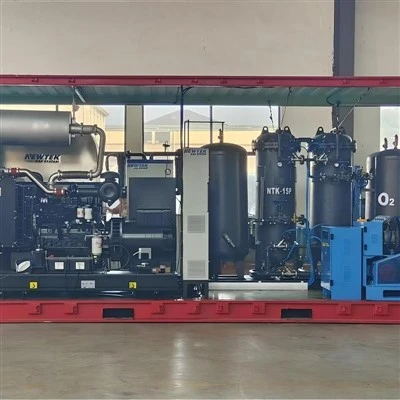
Oxygen Concentrator vs. Oxygen Generator
In medical settings, emergency response scenarios, and even industrial operations, devices that produce oxygen play a critical role in sustaining life, supporting processes, and ensuring safety. Two terms that are often used interchangeably but hold distinct meanings-oxygen concentrators and oxygen generators-are at the center of this essential technology. While both devices are designed to deliver oxygen, their working principles, oxygen purity levels, portability, energy requirements, and ideal use cases vary significantly. Confusing the two can lead to incorrect device selection, which may compromise patient care, hinder industrial productivity, or create safety risks. This article aims to provide a comprehensive comparison of oxygen concentrators and oxygen generators, breaking down their differences in technical design, performance, and practical applications, while also offering guidance on how to choose the right device for specific needs.
1. Core Definitions
Before delving into technical differences, it is essential to establish clear definitions for each device. The confusion between oxygen concentrators and oxygen generators often stems from overlapping descriptions in non-technical sources, but their core functions and design goals are distinct.
1.1 What Is an Oxygen Generator?
An oxygen generator (also known as an oxygen production system) is a industrial or large-scale device that produces oxygen from raw materials, such as air, water, or chemical compounds. Unlike concentrators, which only concentrate existing oxygen, generators create new oxygen molecules through processes like cryogenic distillation, pressure swing adsorption (PSA), or electrolysis.
Oxygen generators are designed for high-volume oxygen demand scenarios, such as hospitals, manufacturing plants (e.g., steel production, welding), and aerospace applications. They are not typically used for individual patient care (unless scaled down for specific medical settings) and are regulated based on industrial safety standards rather than consumer medical guidelines.
1.2 What Is an Oxygen Concentrator?
An oxygen concentrator is a medical or consumer-grade device that extracts oxygen from ambient air, removes other gases (primarily nitrogen, which makes up ~78% of air), and delivers concentrated oxygen to users-typically humans requiring respiratory support. Unlike devices that store oxygen (e.g., oxygen cylinders), concentrators do not produce oxygen from raw materials; instead, they "concentrate" the oxygen already present in the air.
Oxygen concentrators are primarily designed for low to moderate oxygen demand scenarios, such as home use for patients with chronic obstructive pulmonary disease (COPD), asthma, or other respiratory conditions. They are regulated as medical devices in most countries (e.g., by the U.S. FDA, EU CE) and must meet strict standards for oxygen purity, flow rate, and safety to ensure they do not harm users.
2. Working Principles
The most significant difference between oxygen concentrators and generators lies in their working principles. While both rely on air as a primary input (in most cases), the way they separate and deliver oxygen varies drastically.
2.1 Oxygen Concentrator: Concentration Through Adsorption
Oxygen concentrators use a process called pressure swing adsorption (PSA) to extract oxygen from ambient air. Here's a step-by-step breakdown of how it works:
Air Intake: The device draws in ambient air through a filter to remove dust, dirt, and other particles.
Compression: The filtered air is compressed by a small compressor, increasing its pressure.
Adsorption: The compressed air is sent into a chamber filled with a zeolite molecular sieve-a porous material that selectively adsorbs (traps) nitrogen molecules. Zeolite has a higher affinity for nitrogen than oxygen, so nitrogen sticks to the sieve, while oxygen passes through.
Oxygen Delivery: The concentrated oxygen (typically 90-96% pure) is sent to a buffer tank to stabilize pressure, then delivered to the user through a nasal cannula or mask.
Regeneration: Once the zeolite sieve becomes saturated with nitrogen, the pressure in the chamber is released. This allows the nitrogen to desorb (escape) from the sieve, which is then vented out of the device. The process switches between two sieve chambers (one adsorbing, one regenerating) to ensure a continuous supply of oxygen.
This cyclic process is efficient for low-flow oxygen needs (usually 1-10 liters per minute, LPM) and does not require any raw materials other than electricity and ambient air. However, the reliance on a compressor and zeolite sieve limits the concentrator's portability and oxygen output capacity.
2.2 Oxygen Generator: Production Through Distillation or Electrolysis
Oxygen generators use one of two primary methods to produce oxygen: cryogenic distillation (for large-scale industrial use) or electrolysis (for smaller-scale or specialized applications).
2.2.1 Cryogenic Distillation (Industrial-Grade)
Cryogenic distillation is the most common method for large-scale oxygen production, accounting for over 70% of global industrial oxygen supply. It works by cooling air to extremely low temperatures to separate its components (oxygen, nitrogen, argon) based on their boiling points:
Air Purification: Ambient air is filtered to remove moisture, carbon dioxide, and hydrocarbons (which can freeze and damage equipment).
Compression and Cooling: The purified air is compressed and cooled using a heat exchanger. This process reduces the air's temperature to around -173°C (-280°F), where oxygen liquefies (boiling point of oxygen: -183°C; nitrogen: -196°C).
Distillation: The cooled air is sent to a distillation column-a tall, cylindrical tower with trays or packing material. As the liquid air flows down the column, nitrogen (which has a lower boiling point) vaporizes and rises to the top, where it is collected and vented or stored as liquid nitrogen. Oxygen, which remains liquid at the bottom of the column, is drawn off, warmed to room temperature, and stored as gaseous oxygen or further cooled to liquid oxygen for transport.
Cryogenic generators produce oxygen with 99.5%+ purity and can output thousands of cubic meters of oxygen per hour. However, they are large, energy-intensive, and require continuous operation (they cannot be easily turned on/off) due to the time and energy needed to cool the system.
2.2.2 Electrolysis (Specialized Applications)
Electrolysis-based oxygen generators produce oxygen by splitting water (H₂O) into hydrogen (H₂) and oxygen (O₂) using an electric current. This method is commonly used in small-scale or off-grid settings, such as submarines, space stations, or remote medical facilities:
Water Input: The device uses purified water (to prevent mineral buildup) and an electrolyte (e.g., potassium hydroxide) to conduct electricity.
Electrolysis Process: When an electric current is applied to two electrodes (anode and cathode) in the water, water molecules split at the anode to form oxygen gas and hydrogen ions. The hydrogen ions move to the cathode, where they combine to form hydrogen gas (which is either vented or stored for other uses).
Oxygen Collection: The oxygen gas is collected, filtered to remove any remaining moisture, and delivered to the user or stored in tanks.
Electrolysis generators produce oxygen with 99.9%+ purity but are less efficient than cryogenic systems for large-scale use. They are ideal for settings where water is abundant and electricity is available (e.g., solar-powered remote clinics) but are not practical for high-volume industrial needs due to their slow production rate.
3. Key Performance Metrics - Comparing Purity, Flow Rate, and Efficiency
When evaluating oxygen concentrators and generators, three critical performance metrics-oxygen purity, flow rate, and energy efficiency-highlight their differences and suitability for specific applications.
3.1 Oxygen Purity
Oxygen purity is measured as the percentage of oxygen in the gas delivered by the device. This metric is critical because different applications require different purity levels:
Oxygen Concentrators: Typically deliver oxygen with a purity of 90-96% (known as "medical-grade oxygen"). This level is sufficient for most medical needs, as the human body only requires ~21% oxygen in ambient air, and patients with respiratory conditions usually need 24-60% oxygen (delivered via a cannula or mask). Concentrators cannot achieve higher purity levels because the zeolite sieve cannot completely remove nitrogen (some nitrogen molecules always pass through).
Oxygen Generators:
Cryogenic generators: Deliver oxygen with a purity of 99.5-99.999% (depending on the application). This high purity is essential for industrial processes like steel production (where pure oxygen is used to increase combustion temperature) and semiconductor manufacturing (where even trace amounts of nitrogen or other gases can damage chips).
Electrolysis generators: Deliver oxygen with a purity of 99.9-99.999%, making them suitable for specialized medical uses (e.g., hyperbaric oxygen therapy) and aerospace applications (e.g., space shuttle life support systems).
3.2 Flow Rate
Flow rate refers to the volume of oxygen delivered per minute (measured in liters per minute, LPM, for small devices; cubic meters per hour, m³/h, for industrial devices). Flow rate determines how much oxygen the device can supply at once:
Oxygen Concentrators: Designed for low to moderate flow rates, typically 1-10 LPM. This is sufficient for individual patients, as most medical guidelines recommend 1-6 LPM for COPD patients and up to 10 LPM for acute respiratory distress. Some portable concentrators have lower flow rates (0.5-5 LPM) to prioritize portability, while home-use concentrators may offer up to 15 LPM for higher demand.
Oxygen Generators: Designed for high flow rates to meet industrial or large-scale medical needs:
Cryogenic generators: Can output 100-100,000 m³/h (equivalent to ~1,667-1,667,000 LPM). For example, a large hospital may use a cryogenic generator that produces 500 m³/h to supply oxygen to multiple wards, operating rooms, and emergency departments.
Electrolysis generators: Have lower flow rates than cryogenic systems, typically 1-50 m³/h, making them suitable for small-scale industrial use or remote medical facilities.
3.3 Energy Efficiency
Energy efficiency is a measure of how much energy the device uses to produce a unit of oxygen. This metric is important for both cost savings and environmental impact:
Oxygen Concentrators: Relatively energy-efficient for their intended use. A home-use concentrator typically uses 100-300 watts (W) of electricity and produces 1-10 LPM of oxygen-equivalent to ~10-30 W per LPM. Portable concentrators, which use batteries, are less efficient (typically 20-50 W per LPM) but are designed for short-term use (e.g., travel).
Oxygen Generators:
Cryogenic generators: Highly energy-intensive. A large cryogenic plant may use 10,000-100,000 kilowatts (kW) of electricity and produce 1,000-10,000 m³/h of oxygen-equivalent to ~10-20 kW per m³/h (or ~0.01-0.02 W per LPM). While this seems low per unit volume, the total energy consumption is massive due to the high flow rate.
Electrolysis generators: Even less efficient than cryogenic systems. A small electrolysis generator may use 1-5 kW to produce 1-5 m³/h of oxygen-equivalent to ~1-2 kW per m³/h (or ~0.17-0.33 W per LPM). This inefficiency makes electrolysis impractical for large-scale use unless electricity is cheap (e.g., solar or wind power).
4. Design and Portability - Size, Weight, and Installation
The design and portability of oxygen concentrators and generators are tailored to their intended use cases. Concentrators are built for individual, on-the-go, or home use, while generators are designed for fixed, industrial-scale operations.
4.1 Oxygen Concentrators: Compact and Portable
Oxygen concentrators are designed to be lightweight and easy to move, with two main types:
Home-Use Concentrators: Typically weigh 10-20 kg (22-44 lbs) and are the size of a small filing cabinet (60-80 cm tall, 30-40 cm wide). They are meant to be placed in a fixed location (e.g., a bedroom) and plugged into a standard electrical outlet. Some models have wheels or handles for easy movement within the home.
Portable Concentrators: Weigh 2-5 kg (4.4-11 lbs) and are the size of a backpack or small suitcase. They run on rechargeable batteries (lasting 2-8 hours, depending on flow rate) or can be plugged into a car charger or wall outlet. Portable concentrators are ideal for patients who need oxygen while traveling, shopping, or engaging in outdoor activities.
Installation of oxygen concentrators is simple: no professional setup is required. Users only need to plug the device into an outlet, attach a cannula or mask, and adjust the flow rate as directed by a healthcare provider.
4.2 Oxygen Generators: Large and Fixed
Oxygen generators are large, complex systems that require professional installation and are not designed to be moved:
Cryogenic Generators: Consist of multiple components, including air compressors, heat exchangers, distillation columns, and storage tanks. A small cryogenic plant (for a hospital) may occupy 50-100 square meters (538-1,076 square feet) of space, while a large industrial plant (for steel production) can occupy thousands of square meters. The distillation columns alone can be 10-30 meters tall (33-98 feet).
Electrolysis Generators: Smaller than cryogenic systems but still larger than concentrators. A medium-sized electrolysis generator (for a remote clinic) may weigh 50-100 kg (110-220 lbs) and occupy 5-10 square meters (54-108 square feet) of space. Larger industrial electrolysis systems (for hydrogen production with oxygen as a byproduct) can be even bigger.
Installation of oxygen generators requires specialized knowledge: cryogenic systems need to be connected to a reliable electricity supply, cooling water (for heat exchangers), and a network of pipes to distribute oxygen to users. Electrolysis systems require purified water supply and proper ventilation (to release hydrogen gas safely).
5. Who Uses Them and Why?
The differences in working principles, performance, and design mean that oxygen concentrators and generators are used in entirely different settings. Understanding their ideal applications is key to choosing the right device.
5.1 Oxygen Concentrators: Medical and Consumer Use
Oxygen concentrators are primarily used for individual medical care and small-scale consumer applications. Their low flow rate, compact size, and ease of use make them ideal for:
Home Medical Care: Patients with chronic respiratory conditions (e.g., COPD, asthma, cystic fibrosis) use home concentrators to receive continuous oxygen therapy. Unlike oxygen cylinders (which need to be refilled), concentrators provide an unlimited supply of oxygen as long as they are plugged in.
Portable Medical Use: Patients who need oxygen while traveling (e.g., on planes, cars, or trains) use portable concentrators. The FAA (U.S. Federal Aviation Administration) and other aviation authorities approve most portable concentrators for in-flight use, as they are safe and do not contain compressed gas (which is a fire hazard).
Small Clinics and Dental Offices: Some small healthcare facilities use concentrators to provide oxygen during minor procedures (e.g., dental extractions) or for emergency care (e.g., treating a patient with mild hypoxia). However, larger clinics and hospitals typically use generators due to higher demand.
5.2 Oxygen Generators: Industrial and Large-Scale Medical Use
Oxygen generators are designed for high-volume, continuous use in industrial and large-scale medical settings. Their high purity and flow rate make them suitable for:
Hospitals and Medical Centers: Large hospitals use cryogenic or PSA-based generators (scaled up for medical use) to supply oxygen to multiple areas, including operating rooms, intensive care units (ICUs), and emergency departments. A single hospital generator can produce enough oxygen to support hundreds of patients at once, eliminating the need for frequent cylinder refills.
Steel Production: Oxygen is a critical input in steelmaking, where it is used to oxidize impurities (e.g., carbon, silicon) in iron ore. Cryogenic generators supply large volumes of pure oxygen (99.5%+) to steel mills, increasing the efficiency and speed of the production process.
Welding and Cutting: Oxy-fuel welding and cutting use a mixture of oxygen and fuel gas (e.g., acetylene) to produce a high-temperature flame (up to 3,100°C). Generators supply the pure oxygen needed for this process, as impure oxygen would reduce the flame temperature and quality of the weld.
Aerospace and Defense: Aircraft and spacecraft use oxygen generators to supply breathable air to pilots and astronauts. For example, military jets use chemical oxygen generators (a type of electrolysis-based system) that produce oxygen via a chemical reaction (no electricity needed) in case of an emergency.
Water Treatment: Oxygen is used in wastewater treatment plants to support aerobic bacteria that break down organic matter. Generators supply oxygen to aeration tanks, improving the efficiency of the treatment process and reducing odors.
6. What You Need to Know
Proper maintenance and safety protocols are essential for both oxygen concentrators and generators, but their requirements differ based on their design and use.
6.1 Oxygen Concentrators: Simple Maintenance, Low Safety Risks
Oxygen concentrators have relatively straightforward maintenance requirements, making them suitable for home use by non-technical users. Here's a breakdown of key maintenance tasks and safety considerations:
6.1.1 Routine Maintenance
Filter Replacement: Concentrators have two main types of filters-air intake filters and bacterial filters. Air intake filters (usually foam or paper) prevent dust and debris from entering the device and should be cleaned weekly (by vacuuming or rinsing with water) and replaced every 3-6 months. Bacterial filters (attached to the oxygen outlet) prevent the spread of germs from the user to the device and should be replaced every 2-4 weeks or if they become wet or clogged.
Compressor Maintenance: The compressor is the heart of the concentrator, and its oil (if applicable) should be checked and replaced every 12-24 months (follow the manufacturer's guidelines). Oil-free compressors (common in modern concentrators) require no oil changes but should be inspected for noise or vibration (signs of wear).
Sieve Bed Inspection: The zeolite sieve beds can degrade over time (usually after 2-5 years of continuous use), leading to a drop in oxygen purity. Users can monitor purity using a portable oxygen analyzer (available for home use) and replace the sieve beds if purity falls below 85%.
General Cleaning: The exterior of the device should be wiped down with a damp cloth weekly to remove dust. Avoid using harsh chemicals (e.g., bleach) that can damage the plastic.
6.1.2 Safety Considerations
Fire Hazard: Oxygen supports combustion, so concentrators should be kept at least 3 meters (10 feet) away from open flames, heaters, stoves, or other heat sources. Users should not smoke near the device, and flammable materials (e.g., gasoline, alcohol) should be stored away from the concentrator.
Electric Safety: Home-use concentrators should be plugged into a grounded outlet (with a three-prong plug) to prevent electric shock. Avoid using extension cords (unless approved by the manufacturer) and check the power cord for damage (e.g., fraying) regularly.
Oxygen Purity Monitoring: Using a concentrator with low oxygen purity can be harmful to patients. Users should test purity monthly and contact a service technician if purity drops below the recommended level (usually 90%).
6.2 Oxygen Generators: Complex Maintenance, High Safety Risks
Oxygen generators require extensive maintenance due to their complex design and high-pressure systems. Maintenance is typically performed by trained technicians, and improper maintenance can lead to equipment failure or safety hazards.
6.2.1 Routine Maintenance
Cryogenic Generator Maintenance:
Heat Exchanger Cleaning: Heat exchangers (used to cool air) can become clogged with dirt or frost, reducing efficiency. They should be inspected monthly and cleaned with compressed air or a specialized cleaning solution every 3-6 months.
Distillation Column Inspection: The distillation column's trays or packing material can wear out or become contaminated, leading to reduced oxygen purity. Columns should be inspected annually and replaced every 5-10 years (depending on usage).
Storage Tank Maintenance: Liquid oxygen storage tanks should be checked for leaks weekly (using a soap solution to detect bubbles) and pressure-tested annually. Tanks should also be vented regularly to prevent overpressure (liquid oxygen expands 860 times when vaporized, creating high pressure).
Electrolysis Generator Maintenance:
Electrode Replacement: Electrodes can corrode over time (due to the electrolysis process), reducing efficiency. They should be inspected every 6-12 months and replaced if corrosion is severe.
Water Quality Monitoring: The water used in electrolysis must be purified (to prevent mineral buildup on electrodes). Water quality should be tested weekly, and the water should be replaced every 2-4 weeks (or as needed).
Hydrogen Ventilation Check: Hydrogen gas (a byproduct of electrolysis) is highly flammable, so ventilation systems should be inspected monthly to ensure they are working properly. Hydrogen detectors should be installed near the generator to alert for leaks.
6.2.2 Safety Considerations
High-Pressure Risks: Cryogenic generators and their storage tanks operate at extremely high pressures (up to 3,000 psi). A leak or rupture can cause an explosion, so all pressure vessels must be certified by a regulatory body (e.g., ASME in the U.S.) and inspected annually.
Cryogenic Burns: Liquid oxygen is extremely cold (-183°C), and contact with skin or eyes can cause severe burns. Technicians should wear protective gear (e.g., gloves, goggles, face shields) when handling liquid oxygen and avoid touching cold surfaces with bare hands.
Hydrogen Explosion Risk: Electrolysis generators produce hydrogen gas, which can ignite if it accumulates in a confined space. Generators should be installed in well-ventilated areas, and hydrogen leaks should be addressed immediately (by shutting off the generator and ventilating the area).
7. Initial Investment and Operating Costs
The cost of oxygen concentrators and generators varies widely based on size, capacity, and features. Understanding the total cost of ownership (initial investment + operating costs) is essential for choosing the right device.
7.1 Oxygen Concentrators: Low Initial Cost, Moderate Operating Costs
Initial Investment:
Home-Use Concentrators: Cost between \(500-\)2,000 (USD). Basic models (1-5 LPM) cost \(500-\)1,000, while high-flow models (6-15 LPM) cost \(1,000-\)2,000.
Portable Concentrators: Cost between \(1,500-\)4,000 (USD). Small, lightweight models (0.5-3 LPM) cost \(1,500-\)2,500, while larger models (4-10 LPM) cost \(2,500-\)4,000. Some portable concentrators are available for rental (typically \(50-\)100 per week) for short-term use (e.g., travel).
Operating Costs:
Electricity: Home-use concentrators use 100-300 W of electricity, costing ~\(0.01-\)0.03 per hour (based on a \(0.10/kWh electricity rate). For 24/7 use, this totals ~\)0.24-\(0.72 per day or \)7-$22 per month.
Maintenance: Annual maintenance costs (filter replacements, sieve bed inspection) are ~\(100-\)200 (USD). Sieve bed replacement (every 2-5 years) costs ~\(300-\)500 (USD).
Replacement Parts: Power cords, compressors, or other parts may need replacement every 3-5 years, costing ~\(200-\)500 (USD) per part.
7.2 Oxygen Generators: High Initial Cost, High Operating Costs
Initial Investment:
Cryogenic Generators: Small hospital-grade models (50-100 m³/h) cost \(500,000-\)1 million (USD). Large industrial models (1,000+ m³/h) cost \(5 million-\)20 million (USD). Liquid oxygen storage tanks add an additional \(50,000-\)200,000 (USD) to the cost.
Electrolysis Generators: Small remote-clinic models (1-5 m³/h) cost \(10,000-\)50,000 (USD). Industrial models (10-50 m³/h) cost \(100,000-\)500,000 (USD).
Operating Costs:
Electricity: Cryogenic generators use 10,000-100,000 kW of electricity, costing ~\(1,000-\)10,000 per hour (based on a \(0.10/kWh rate). For 24/7 use, this totals ~\)24,000-\(240,000 per day or \)720,000-\(7.2 million per month. Electrolysis generators use 1-5 kW per m³/h of oxygen, costing ~\)0.10-\(0.50 per m³ (based on \)0.10/kWh). For a 10 m³/h generator, this totals ~\(1-\)5 per hour or \(24-\)120 per day.
Maintenance: Annual maintenance costs for cryogenic generators are \(50,000-\)200,000 (USD) (including technician labor, part replacements, and pressure testing). Electrolysis generators cost \(5,000-\)20,000 (USD) per year to maintain.
Raw Materials: Cryogenic generators require no raw materials (other than air), but electrolysis generators need purified water (costing ~\(0.50-\)1 per gallon) and electrolytes (costing ~\(10-\)50 per month).
8. How to Choose the Right Device
Choosing between an oxygen concentrator and an oxygen generator depends on your specific needs, including oxygen demand, location, budget, and safety requirements. Follow this step-by-step guide to make the right choice:
8.1 Assess Your Oxygen Demand
The first step is to determine how much oxygen you need (flow rate) and how pure it needs to be:
Low to Moderate Demand (1-10 LPM, 90-96% purity): If you need oxygen for individual medical use (e.g., home therapy for COPD) or small-scale applications (e.g., a small clinic), an oxygen concentrator is the best choice. Concentrators are compact, easy to use, and cost-effective for low-flow needs.
High Demand (100+ m³/h, 99.5%+ purity): If you need oxygen for industrial use (e.g., steel production, welding) or large-scale medical use (e.g., a hospital with 100+ beds), a cryogenic oxygen generator is ideal. Cryogenic generators can produce large volumes of high-purity oxygen continuously.
Specialized Demand (1-50 m³/h, 99.9%+ purity): If you need oxygen for off-grid settings (e.g., a remote clinic) or specialized applications (e.g., hyperbaric therapy), an electrolysis generator may be suitable. However, consider the availability of purified water and electricity before choosing this option.
8.2 Consider Your Location and Portability Needs
Home or Travel Use: If you need oxygen at home or while traveling, a portable or home-use concentrator is the only practical option. Generators are too large and heavy to move and require professional installation.
Fixed Industrial or Hospital Use: If you need oxygen at a fixed location (e.g., a factory, hospital), a generator is the best choice. Generators can be installed permanently and connected to a distribution system (e.g., pipes) to supply oxygen to multiple users.
8.3 Evaluate Your Budget
Low to Moderate Budget (\(500-\)4,000): For individual medical use, a concentrator is the most affordable option. Rental options are also available for short-term needs (e.g., post-surgery recovery).
High Budget ($50,000+): For industrial or large-scale medical use, a generator is necessary, but the high initial and operating costs should be factored into your budget. Consider long-term savings (e.g., eliminating the need to purchase oxygen cylinders) when evaluating costs.
8.4 Check Safety and Regulatory Requirements
Medical Use: If you need oxygen for medical purposes, ensure the device is regulated by a medical authority (e.g., FDA, CE) and meets medical-grade standards (e.g., 90-96% purity for concentrators).
Industrial Use: For industrial generators, ensure the device meets industrial safety standards (e.g., ASME for pressure vessels) and is installed by a certified technician. Check local regulations for hydrogen ventilation (for electrolysis generators) and pressure vessel inspection.
9. Innovations in Oxygen Production Technology
Both oxygen concentrators and generators are evolving to become more efficient, portable, and cost-effective. Here are some key trends shaping the future of oxygen production:
9.1 Oxygen Concentrators: Improved Portability and Efficiency
Battery Technology: Portable concentrators are becoming lighter and more powerful due to advances in lithium-ion battery technology. New models can run for 8-12 hours on a single charge (up from 2-8 hours) and are compatible with fast chargers (e.g., USB-C).
Smart Features: Modern concentrators include smart sensors that monitor oxygen purity, flow rate, and battery life. These sensors can send alerts to users or healthcare providers via a mobile app (e.g., if purity drops below 90% or the battery is low), improving patient safety.
Energy Efficiency: New concentrators use variable-speed compressors (which adjust speed based on oxygen demand) to reduce energy consumption by 20-30% compared to traditional models. This makes them more cost-effective for 24/7 use.
9.2 Oxygen Generators: Decentralized Production and Green Technology
Decentralized Generators: Smaller, modular cryogenic and electrolysis generators are being developed for decentralized use (e.g., remote clinics, small factories). These generators are easier to install and operate than large-scale models and can reduce reliance on centralized oxygen plants (which are vulnerable to disruptions, e.g., natural disasters).
Green Energy Integration: Electrolysis generators are being paired with renewable energy sources (e.g., solar, wind) to reduce carbon emissions. For example, solar-powered electrolysis generators are being used in remote areas to produce oxygen without relying on fossil fuels.
Advanced Materials: New materials (e.g., high-performance zeolite sieves for PSA generators, corrosion-resistant electrodes for electrolysis generators) are improving the efficiency and lifespan of oxygen generators. For example, advanced zeolite sieves can adsorb more nitrogen, increasing oxygen purity to 98-99% (up from 90-96% for traditional concentrators).
10. Key Takeaways for Choosing the Right Device
Oxygen concentrators and generators are both essential for producing oxygen, but their differences in working principles, performance, and design make them suitable for distinct use cases. To summarize:
Oxygen Concentrators are ideal for individual medical use (e.g., home therapy, travel) due to their compact size, low cost, and ease of use. They concentrate oxygen from ambient air using PSA technology, deliver 90-96% pure oxygen at 1-10 LPM, and require minimal maintenance.
Oxygen Generators are designed for high-volume industrial or large-scale medical use (e.g., steel production, hospitals) due to their high flow rate and purity. They produce oxygen from raw materials (air, water) using cryogenic distillation or electrolysis, deliver 99.5%+ pure oxygen at 100+ m³/h, and require professional installation and maintenance.
When choosing between the two, consider your oxygen demand (flow rate, purity), location (portable vs. fixed), budget, and safety requirements. By understanding these key differences, you can select the right device to meet your needs, whether you're a patient requiring home oxygen therapy or an industrial operator needing oxygen for manufacturing.
As technology advances, both concentrators and generators will continue to improve, making oxygen production more accessible, efficient, and sustainable. Whether for saving lives in medical settings or powering industrial processes, these devices will remain critical to our daily lives for years to come.