

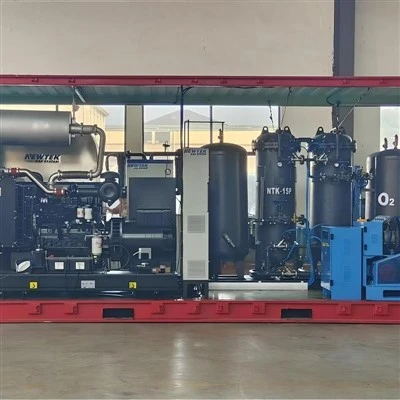
Carbon molecular sieves and zeolite molecular sieves are commonly used in the fields of nitrogen and oxygen production. The separation of oxygen and nitrogen by molecular sieves is mainly based on the different diffusion rates of these two gases on the surface of the molecular sieve. Carbon molecular sieve is a carbon based adsorbent that combines certain characteristics of activated carbon and molecular sieve. Carbon molecular sieves have a very small microporous composition, with pore sizes ranging from 0.3nm to 1nm. Smaller diameter gases (oxygen) diffuse faster and enter the solid phase of the molecular sieve more, allowing for the enrichment of nitrogen components in the gas phase. After a period of time, the adsorption of oxygen by the molecular sieve reaches equilibrium. Based on the different adsorption capacities of carbon molecular sieve for adsorbed gases at different pressures, the pressure is reduced to release the adsorption of oxygen by the carbon molecular sieve. This process is called regeneration. The pressure swing adsorption method usually uses two towers in parallel, alternating between pressurized adsorption and depressurization regeneration, to obtain a continuous nitrogen flow.
Process Overview of PSA Nitrogen Generator



Send Inquiry