NEWTEK
NEWTEK, a company with a diverse technological background, has expanded its expertise from digital media solutions to industrial gas generation,
establishing a strong presence in the field of oxygen production technology. Initially recognized for groundbreaking contributions to computer-generated animation, video production, and networked media transmission, NEWTEK has leveraged its engineering capabilities to develop advanced Pressure Swing Adsorption (PSA) oxygen generators.
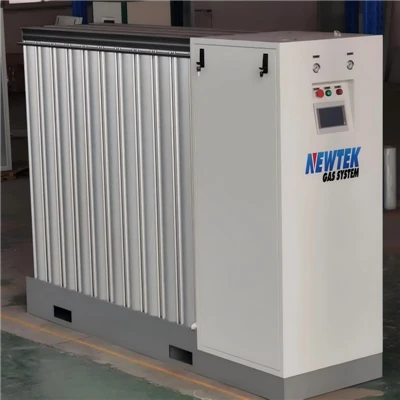
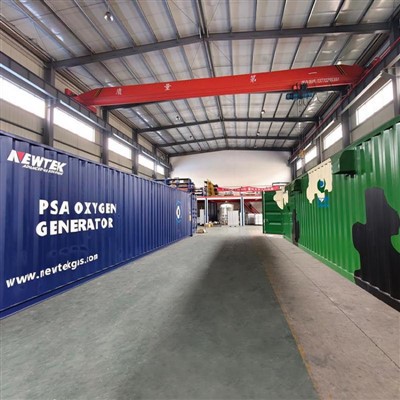
The company's PSA oxygen generators are designed for reliability and efficiency, catering to critical applications where a steady oxygen supply is paramount. These systems utilize modular construction, allowing for compact designs that fit into constrained spaces-an essential feature in emergency scenarios. NEWTEK's generators operate through an automated process, adjusting oxygen output based on real-time demand without requiring constant manual oversight. This automation ensures consistent performance even in high-stress environments.
Key to NEWTEK's PSA technology is its use of high-quality zeolite molecular sieves, which selectively adsorb nitrogen from compressed air to produce oxygen with high purity. The generators are engineered for rapid startup, enabling quick deployment when emergencies arise. Their durable components and simplified maintenance requirements make them suitable for prolonged use in remote or harsh conditions, aligning with the unpredictable nature of emergency rescue operations.
NEWTEK's commitment to quality is reflected in rigorous testing protocols, ensuring its PSA oxygen generators meet industrial standards for safety and performance. This focus on reliability has made the company a trusted provider for sectors where oxygen availability can mean the difference between life and death (emergency services, disaster response, and remote medical facilities). The company's ongoing research emphasizes enhancing system resilience, with shock-resistant casings and weatherproofing to withstand the rigors of emergency deployment.
The Critical Need for Oxygen in Emergency Rescue Scenarios
Oxygen is a lifeline in emergency rescue operations, supporting the survival of victims and the effectiveness of rescue teams. In natural disasters (earthquakes, floods, wildfires), industrial accidents (chemical leaks, structural collapses), or medical emergencies (trauma, respiratory distress), access to a reliable oxygen supply is critical.
Victims trapped in confined spaces often suffer from oxygen deprivation. In a building collapse, debris can block ventilation, lowering oxygen levels to dangerous thresholds. Rescue personnel, working in high-stress environments-whether navigating smoke-filled rooms or scaling unstable structures-may require supplemental oxygen to maintain stamina and focus, especially when exposed to fumes or physical exertion.
Traditional oxygen supply methods are limited by their limited capacity and need to be frequently replaced. In large-scale disasters, rescue efforts may last for days or even weeks, and reliance on gas cylinders may pose a risk of supply interruptions, especially when roads are blocked or logistics are disrupted. This limitation may lead to delayed treatment, endanger lives and affect the efficiency of rescue missions.
In these contexts, on-site oxygen generation becomes invaluable. PSA oxygen equipments address the limitations of traditional sources by producing oxygen on demand, ensuring a continuous supply without reliance on external deliveries. This capability is particularly crucial in disaster zones where infrastructure is damaged, and supply chains are disrupted, making it impossible to restock cylinders in a timely manner.


Core Advantages of PSA Oxygen Equipments in Emergency Rescue
On-Demand Oxygen Production
One of the most significant advantages of PSA oxygen equipments is their ability to generate oxygen continuously from ambient air. Unlike cylinders, which store a fixed amount of oxygen, PSA systems draw in atmospheric air, filter out nitrogen and other gases, and deliver high-purity oxygen in real time. This eliminates the risk of running out of oxygen during prolonged operations-a common concern in large-scale disasters or extended rescue missions.
NEWTEK's generators enhance this capability with adjustable output settings, allowing rescue teams to regulate oxygen flow based on specific needs. Whether providing high-flow oxygen to a victim with respiratory failure or maintaining a steady supply for a team working in a confined space, the system adapts to changing demands, ensuring efficient resource utilization. In a scenario with multiple victims, the generator can be adjusted to prioritize higher flow rates for those in critical condition, then scaled back for stable patients, optimizing usage without waste.
Rapid Deployment and Portability
Emergency rescues require equipment that can be mobilized quickly, often in challenging terrain or damaged environments. NEWTEK's PSA oxygen generators are designed with portability in mind, featuring compact, lightweight builds that facilitate transport by vehicle, helicopter, or even manual carrying in remote areas. Their modular design allows for easy breakdown into smaller components, making them suitable for transport through narrow spaces.
The systems' rapid startup capability-achieving optimal oxygen purity within a short timeframe-further enhances their utility. In emergency situations where every minute counts, the ability to set up and activate oxygen production quickly can significantly improve response outcomes. In a chemical spill where victims are experiencing respiratory distress, a NEWTEK generator can be deployed and operational in minutes, providing immediate oxygen to stabilize patients before evacuation. This portability contrasts with bulkier traditional oxygen storage solutions, which are harder to maneuver and slower to deploy, often requiring specialized equipment to transport and position.
Low Maintenance and Operational Simplicity
Emergency rescue teams operate in high-pressure environments where equipment complexity can lead to delays or errors. PSA oxygen equipments are engineered for simplicity, with automated functions that minimize the need for specialized training. The user interface is intuitive, with clear controls for adjusting flow rates and monitoring system status, allowing personnel to operate the equipment with minimal instruction.
These systems require minimal maintenance, with components designed to withstand harsh conditions. The filters in NEWTEK's generators are designed to trap particulate matter common in disaster zones, reducing the need for frequent cleaning. The filter replacement process is simplified, and clear indicators alert the operator when maintenance is required. This reliability is critical in scenarios where technical failures could compromise rescue efforts.
NEWTEK's display further simplifies operation by showing digital oxygen purity and flow rate. Rescue personnel can monitor performance at a glance, focusing on their primary mission rather than equipment management. In high-stress situations, this simplicity reduces cognitive load, allowing teams to prioritize saving lives over troubleshooting machinery.
Cost-Effectiveness and Sustainability
Over time, PSA oxygen equipments offer significant cost advantages compared to disposable oxygen cylinders. Cylinders require ongoing expenses for refilling, transportation, and storage, costs that escalate in extended emergencies or remote locations. In a prolonged flood response, the logistics of shipping and storing hundreds of cylinders can strain budgets and resources. In contrast, PSA systems generate oxygen from ambient air, reducing reliance on external suppliers and lowering long-term operational costs. Once deployed, the primary expenses are for power and occasional maintenance, making them a cost-efficient choice for organizations with limited budgets.
Sustainability is another key benefit. Cylinders often involve energy-intensive production and transportation processes, contributing to carbon emissions. Manufacturing and transporting a single oxygen cylinder requires significant fossil fuel use, whereas a PSA generator produces oxygen on-site, eliminating the need for transportation. PSA equipments, by generating oxygen locally, reduce the environmental footprint associated with oxygen supply chains. This aligns with the growing emphasis on eco-friendly practices in emergency management and disaster response, where organizations are increasingly seeking to minimize their environmental impact while maximizing effectiveness.
Adaptability to Diverse Emergency Environments
Emergency rescues unfold in varied and unpredictable settings, from urban rubble to remote wilderness areas. PSA oxygen equipments are designed to adapt to these diverse conditions, a flexibility that stems from their robust construction and modular design.
NEWTEK's generators are built to withstand extreme temperatures, vibrations, and humidity-common in disaster zones. Their enclosed systems protect internal components from dust, debris, and water, ensuring functionality even in harsh weather or post-collapse environments. In a wildfire response, where temperatures are high and ash fills the air, the generator's heat-resistant casing and advanced filtration system prevent damage to internal parts. In a flood zone, waterproof seals protect electrical components from water damage, ensuring the system remains operational even in damp conditions.
These systems can operate with generators or solar panels, making them suitable for areas with disrupted electricity. This adaptability ensures that oxygen production remains uninterrupted, regardless of the infrastructure available at the rescue site. In a remote earthquake zone where power lines are down, a NEWTEK generator can be powered by a portable solar array, ensuring a continuous oxygen supply for victims and rescuers alike.
Enhanced Safety Features
PSA oxygen equipments incorporate safety features that are critical in emergency environments. These systems are designed to prevent oxygen enrichment-an explosion risk-by maintaining precise control over oxygen output and ensuring proper ventilation. Built-in sensors monitor oxygen levels in the surrounding air, automatically adjusting production if concentrations exceed safe thresholds. This is particularly important in confined spaces, where high oxygen levels could ignite flammable materials.
NEWTEK's generators have fail-safe mechanisms, which activate in the event of a system malfunction. If the generator detects a drop in oxygen purity, it will alert operators and switch to a backup mode to maintain a minimum safe flow rate until the issue is resolved. These features reduce the risk of equipment-related accidents, protecting rescue personnel and victims.
Enhancing Rescue Team Safety and Efficiency
PSA oxygen equipments contribute to team safety by providing a reliable source of breathable air, for the rescuers themselves and for treating victims. In a tunnel collapse where air quality is poor, rescuers can use the generator to supply oxygen to their breathing apparatus, extending their ability to work in the hazardous environment.
By ensuring a steady oxygen supply, these systems reduce the need for teams to carry heavy cylinders, improving mobility and reducing fatigue. This is particularly valuable in extended operations, where lightening the load allows rescuers to cover more ground and maintain alertness.
NEWTEK's PSA generators support efficient triage by enabling on-site oxygen administration. Paramedics can stabilize victims with respiratory issues before evacuation, increasing survival rates during transport to medical facilities. A victim with smoke inhalation can receive high-flow oxygen immediately at the rescue site, reducing the risk of complications during the journey to a hospital. This integration of oxygen production into triage processes streamlines rescue workflows, ensuring that critical care is delivered without delay.
Case Scenarios: PSA Oxygen Equipments in Action
Urban Search and Rescue
In the aftermath of an earthquake, collapsed buildings create confined spaces where trapped victims suffer from oxygen depletion. Rescue teams equipped with NEWTEK's PSA generators can set up on-site oxygen production near rubble piles. This allows continuous oxygen delivery to victims via hoses, threaded through gaps in the debris, while rescuers use supplemental oxygen to sustain themselves during prolonged extraction efforts. The portability of the generators enables deployment in tight spaces, ensuring oxygen reaches even the most inaccessible areas. The system's ability to adjust flow rates ensures that victims and rescuers receive the appropriate oxygen levels, optimizing resource use.
Wilderness Emergency Response
In remote areas where medical facilities are scarce, wilderness rescue teams rely on PSA oxygen equipments to treat injuries. NEWTEK's compact generators, powered by portable solar panels, provide a steady oxygen supply for stabilizing victims until evacuation. A hiker suffering from severe altitude sickness in a mountain range can receive oxygen immediately, preventing the progression of symptoms while a helicopter is dispatched. The system's low maintenance needs ensure it operates reliably in isolated environments, where technical support is unavailable-critical in regions with limited infrastructure.
Industrial Accident Response
Chemical leaks or factory explosions often release toxic gases, displacing oxygen in the surrounding air. PSA oxygen generators, deployed by emergency teams, produce clean oxygen for victims suffering from inhalation injuries. The systems' ability to filter ambient air-removing nitrogen and particulates-ensures safe oxygen delivery even in contaminated environments. This capability is enhanced by NEWTEK's advanced filtration systems, which meet industrial safety standards for air purity. In a chemical plant leak involving chlorine gas, the generator's filters trap harmful particles, allowing rescue teams to provide oxygen to victims without exposing them to additional toxins.