NEWTEK
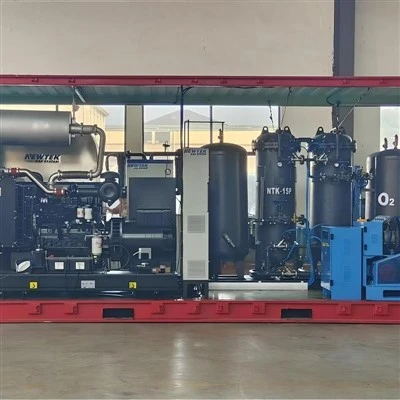
NEWTEK, a company with a rich history of innovation spanning digital media solutions to industrial gas generation, has established itself as a key player in the field of oxygen production technology. While initially renowned for advancements in computer-generated animation, video production, and networked media transmission, NEWTEK has extended its engineering expertise to develop cutting-edge Pressure Swing Adsorption (PSA) oxygen generators.
NEWTEK's PSA oxygen generators are designed to deliver reliable, on-demand oxygen production for diverse industrial applications. These systems utilize a modular, compact design that allows for easy integration into existing setups, even in space-constrained aquaculture facilities. Operating on an automated cycle, the generators adjust oxygen output in real time based on demand, eliminating the need for constant manual oversight-a critical feature for maintaining stable conditions in aquaculture environments.
At the core of NEWTEK's PSA technology is the use of high-quality zeolite molecular sieves, which selectively adsorb nitrogen from ambient air to produce oxygen of consistent purity. The generators boast rapid startup capabilities, reaching optimal oxygen levels within a short timeframe, and are built with durable components to withstand the humid, high-moisture conditions typical of aquaculture settings. With a focus on energy efficiency and low maintenance requirements, NEWTEK's PSA systems are engineered to support continuous operation, aligning with the 24/7 demands of high-density aquaculture.
Rigorous testing and adherence to industry standards ensure that NEWTEK's PSA oxygen generators meet the reliability needs of sectors where consistent oxygen supply is vital. This commitment has made the company a trusted provider for applications ranging from industrial processes to environmental control.
The Role of Oxygen in High-Density Aquaculture
Oxygen is a foundational element in aquaculture, directly influencing the health, growth, and survival of aquatic organisms. In high-density aquaculture, where large numbers of fish, shrimp, or other species are reared in confined spaces, maintaining adequate dissolved oxygen levels is particularly critical.
Aquatic organisms rely on dissolved oxygen for respiration, metabolism, and immune function. In high-density environments, oxygen consumption increases exponentially: fish respire more as biomass grows, while organic waste (feces, uneaten feed) decomposes, consuming additional oxygen through microbial activity. Low dissolved oxygen levels can lead to stress, reduced growth rates, increased susceptibility to disease, and even mass mortality-significant risks that threaten productivity and profitability.
Traditional oxygen supplementation methods often struggle to meet the demands of high-density systems. Aerators, which agitate water to increase surface contact with air, are limited by their efficiency in transferring oxygen to water, especially in warm or polluted conditions. Oxygen cylinders, while providing higher purity, are costly, require frequent replacement, and pose logistical challenges in remote or large-scale facilities.
PSA oxygen generation technology addresses these limitations by producing oxygen on-site, enabling precise control over dissolved oxygen levels. This capability is transformative for high-density aquaculture, where maintaining stable oxygen conditions is essential for maximizing yields and minimizing losses.


How PSA Oxygen Generation Technology Works in Aquaculture
PSA oxygen generators operate by extracting oxygen from ambient air through a process of adsorption and desorption. The system draws in atmospheric air, compresses it, and passes it through a bed of zeolite molecular sieves-porous materials that selectively adsorb nitrogen molecules, allowing oxygen to pass through. Once the sieve bed is saturated with nitrogen, the pressure is reduced, releasing the adsorbed nitrogen into the atmosphere and regenerating the sieve for reuse. This cyclical process-repeated across two or more sieve beds-ensures a continuous supply of high-purity oxygen (typically 90-95% purity) that can be directly injected into aquaculture water systems.
In high-density aquaculture, this oxygen is delivered via diffusers, injectors, or subsurface aeration systems, which disperse fine oxygen bubbles into the water to maximize dissolution. NEWTEK's generators enhance this process with adjustable output settings, allowing operators to regulate oxygen flow based on real-time measurements of dissolved oxygen levels-whether in response to diurnal fluctuations, feeding times, or changes in biomass.
The automation of NEWTEK's systems further streamlines operation: integrated sensors monitor dissolved oxygen levels, triggering adjustments in oxygen production to maintain preset thresholds. This precision ensures that oxygen is supplied only when needed, reducing energy waste and optimizing resource use.
Application Effects of PSA Oxygen Generation in High-Density Aquaculture
Improved Growth Rates and Survival Rates
One of the most significant application effects of PSA oxygen generation technology is the enhancement of growth rates and survival rates in high-density aquaculture. By maintaining optimal dissolved oxygen levels (typically 5-8 mg/L for most species), PSA systems reduce stress in aquatic organisms, allowing them to allocate more energy to growth rather than coping with oxygen deprivation.
Fish and shrimp reared in PSA-supplied systems often exhibit faster weight gain, more uniform size distribution, and higher survival rates compared to those in systems with inconsistent oxygen levels. This is particularly evident in species with tilapia, shrimp, and salmon, which thrive in stable, oxygen-rich environments. The continuous oxygen supply prevents sudden drops in dissolved oxygen-common in traditional systems during nighttime or peak feeding periods-eliminating mortality events and ensuring consistent productivity.
Enhanced Water Quality
PSA oxygen generation technology indirectly improves water quality by supporting efficient waste decomposition. Adequate oxygen levels promote the growth of aerobic bacteria, which break down organic waste into less harmful byproducts (nitrates, carbon dioxide) instead of toxic compounds.
This reduction in toxic substances creates a healthier aquatic environment, reducing the need for frequent water exchanges and lowering the risk of disease outbreaks. In recirculating aquaculture systems (RAS), where water is reused, PSA-supplied oxygen is particularly valuable: it supports the biological filtration processes that remove waste, enabling higher stocking densities without compromising water quality. NEWTEK's generators, with their consistent oxygen output, ensure that these filtration systems operate at peak efficiency, maintaining a balanced ecosystem within the aquaculture facility.
Reduced Operational Costs
While the initial investment in PSA oxygen generation technology may be higher than traditional methods, the long-term operational cost savings are substantial. PSA systems eliminate the recurring expenses associated with oxygen cylinders, particularly in remote or large-scale facilities where logistics are costly.
Energy efficiency is another key factor: NEWTEK's generators are designed to minimize power consumption, with variable speed compressors and regenerative processes that reduce energy use during low-demand periods. The automation of oxygen supply reduces labor costs, as operators no longer need to manually monitor and adjust oxygen levels or replace cylinders.
These cost savings, combined with improved growth rates and reduced mortality, result in a higher return on investment over time, making PSA technology a financially viable choice for high-density aquaculture operations.
Increased Stocking Density and Productivity
By ensuring a reliable, high-purity oxygen supply, PSA technology enables aquaculture operators to increase stocking densities-often by 30-50% compared to systems relying on traditional aeration. Higher densities translate to greater biomass per unit of water, directly boosting productivity and yield.
This effect is particularly pronounced in intensive systems, where space is limited. NEWTEK's generators support these high densities by maintaining dissolved oxygen levels even during peak demand. The ability to precisely control oxygen levels allows operators to experiment with new species or breeding strategies that require stricter environmental conditions, expanding the range of viable aquaculture ventures.
Environmental Benefits
PSA oxygen generation technology offers environmental advantages compared to traditional methods. By reducing reliance on oxygen cylinders, it minimizes the carbon footprint associated with transportation and manufacturing-particularly relevant in regions where cylinders are transported over long distances.
In closed systems, the efficient oxygen supply supports water recycling, reducing the volume of water extracted from natural sources and the discharge of wastewater into the environment. This aligns with growing regulatory pressures to minimize the environmental impact of aquaculture, making PSA-equipped facilities more compliant with sustainability standards.
The reduction in disease outbreaks, lowers the need for antibiotics and chemical treatments, reducing the risk of environmental contamination and promoting healthier, more marketable seafood products.
PSA Oxygen Technology in Aquaculture Settings
Indoor RAS for Freshwater Fish
A large-scale indoor RAS facility rearing tilapia-known for high oxygen demands-implemented NEWTEK's PSA oxygen generators to replace traditional aerators. The system maintained dissolved oxygen levels at 7-8 mg/L, even as stocking density was increased by 40%. Over six months, the facility observed a 25% improvement in growth rates, a 15% reduction in mortality, and a 30% decrease in water exchange requirements. The automation of oxygen supply reduced labor costs, with operators reallocating time to other tasks.
Shrimp Pond Aquaculture
In a coastal shrimp farm with high-density ponds, fluctuating tidal oxygen levels and warm water temperatures had historically caused periodic oxygen depletion. Installing NEWTEK's PSA generators allowed the farm to inject oxygen directly into the ponds via subsurface diffusers, maintaining dissolved oxygen above 6 mg/L. This stability eliminated overnight mortality events and reduced the incidence of white spot syndrome-a disease exacerbated by stress from low oxygen. The farm increased shrimp yields by 20% while reducing the use of water treatments, improving profitability and environmental performance.
Cold-Water Salmon Farming
A salmon farm in a mountainous region, where cold water holds more oxygen but high biomass still strains supply, adopted PSA technology to supplement existing aeration. The generators provided a consistent oxygen source during winter, when ice cover limits natural aeration, and during summer, when water temperatures rise. Salmon growth rates improved by 18%, and the farm was able to increase stocking density by 25% without compromising fish health. The system's energy efficiency reduced reliance on diesel generators-common in remote areas-lowering carbon emissions and operational costs.