For fish farms, shrimp farms, hatcheries, and intensive aquaculture facilities, a stable oxygen supply is essential to maintaining water quality, supporting stock growth, and managing production risks. As farming density increases, oxygen demand can become more difficult to meet through conventional aeration alone. Many operators therefore consider pressure swing adsorption (PSA) oxygen generation as a long-term source of oxygen for their production systems.
However, purchasing an oxygen generator is not simply a matter of comparing its rated output and initial price. The equipment may operate for long periods every day, often under demanding environmental conditions. Its actual service life depends on the quality of its major components, the condition of the compressed air supply, operating patterns, maintenance practices, and the suitability of the system for the farm's oxygen demand.
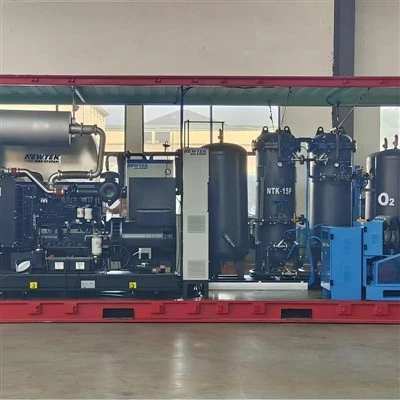
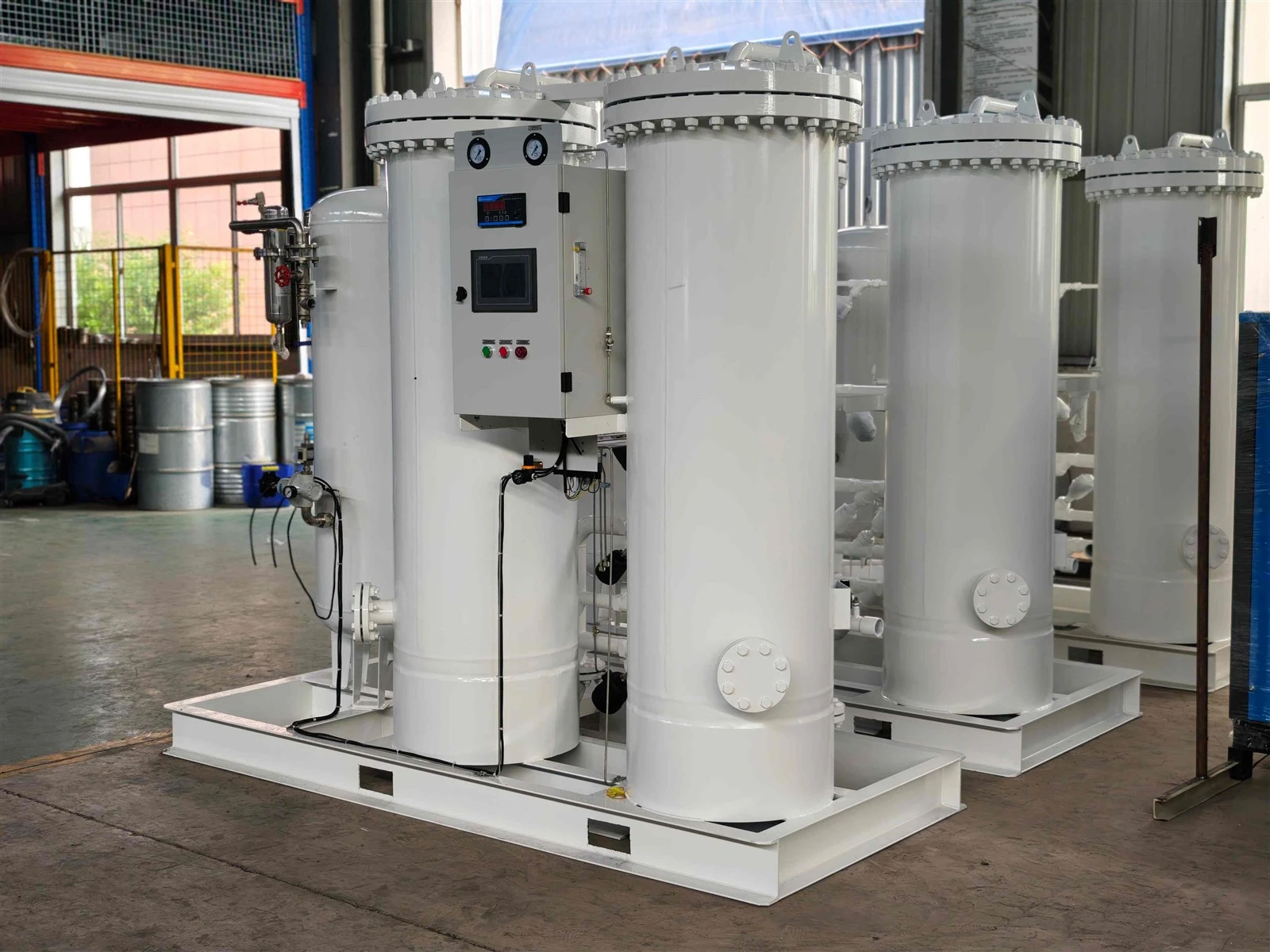
A PSA oxygen system is also more than the oxygen generation unit itself. The complete installation may include an air compressor, air treatment equipment, adsorption towers, control valves, oxygen monitoring instruments, storage tanks, and an oxygen distribution arrangement. Each component has different maintenance requirements and may reach the end of its useful service life at a different time.
For aquaculture operators and equipment purchasers, understanding these factors helps reduce unexpected downtime, plan maintenance expenditure, and assess the long-term value of an oxygen supply system.
Feed Air Quality Determines the Condition of the Molecular Sieve
One of the most important factors influencing the service life of a PSA oxygen generator is the quality of the compressed air entering its adsorption towers.
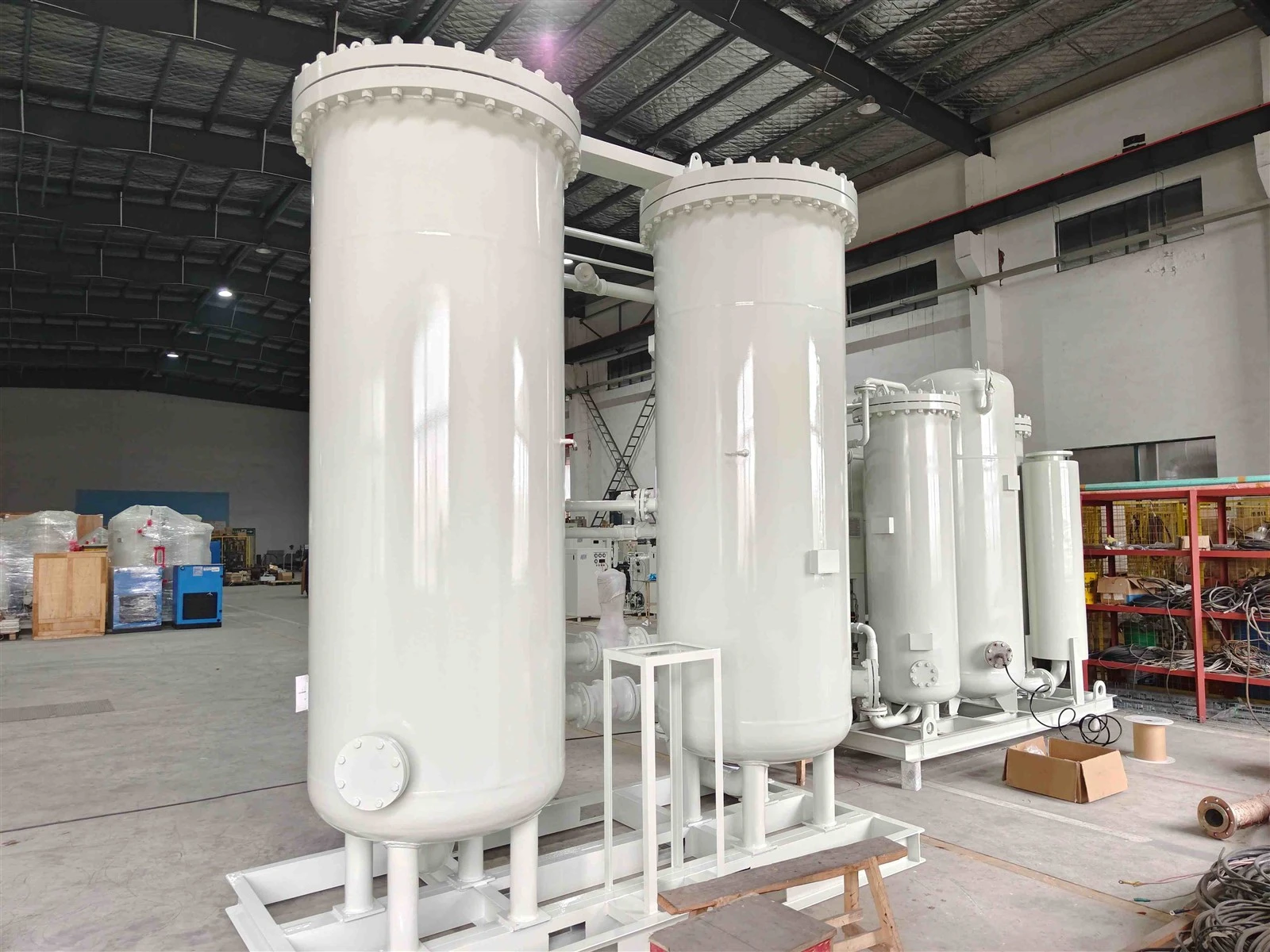
PSA technology uses zeolite molecular sieve material to separate nitrogen from compressed air. During operation, nitrogen is preferentially adsorbed, allowing an oxygen-enriched gas stream to be produced. The adsorption beds then alternate between production and regeneration.
The molecular sieve is designed to operate within specified air quality and process conditions. If the incoming air contains excessive moisture, oil, dust, or other contaminants, the adsorption material may gradually lose performance or suffer irreversible damage.
Moisture contamination
Moisture can interfere with adsorption performance and may affect the condition of the molecular sieve and internal components. In humid tropical regions, this issue deserves particular attention because the ambient air can contain substantial amounts of water vapor.
If the compressor's aftercooler, moisture separator, automatic drain, or air dryer does not work properly, water may enter the downstream filtration system and reach the adsorption towers.
An oxygen generator may initially continue running despite deteriorating air quality, but its oxygen output or purity can eventually decline. In severe cases, contamination may require the molecular sieve to be replaced.
Oil and particulate contamination
Oil carryover from a compressor can contaminate the molecular sieve and reduce its ability to separate gases effectively. Dust, rust, and other particles may also damage or obstruct filtration components and affect the internal gas flow.
Appropriate filtration should therefore be selected according to the compressor design and the oxygen generator manufacturer's requirements. Filter elements, drains, and other air treatment components must be inspected and serviced at the prescribed intervals.
What should buyers check? Ask the supplier to specify the required inlet air quality, filtration stages, drying arrangement, operating pressure, and permitted temperature range. These details are more useful for evaluating long-term performance than simply confirming that an air compressor is included in the quotation.
The Quality of the Molecular Sieve Affects Long-Term Performance
The molecular sieve is one of the central functional components of a PSA oxygen system. Its performance influences oxygen purity, production capacity, and operating stability.
The actual service life of the adsorption material varies according to its grade, operating conditions, feed air quality, adsorption cycle, and maintenance history. Some manufacturers report that molecular sieve can last for many years under suitable conditions, while other operating environments may require earlier replacement.
It is therefore inappropriate to assume that every oxygen generator has the same molecular sieve replacement interval.
Material selection and filling quality
The molecular sieve must be suitable for oxygen production and the operating conditions of the selected equipment. The amount of material, filling uniformity, and proper packing also matter because the adsorption beds must support consistent gas flow and repeated pressure cycles.
Poor filling practices or unsuitable material can compromise performance even if the equipment initially achieves the specified oxygen purity.
Changes in oxygen purity and output
A gradual decline in oxygen purity or output may indicate deterioration in the adsorption material, but it does not automatically mean that the molecular sieve has failed.
Similar symptoms can result from air leakage, faulty valves, insufficient feed air pressure, blocked filters, analyzer problems, or operation beyond the rated capacity.
For this reason, replacement decisions should follow a technical assessment of the complete system rather than relying on operating hours alone.
For aquaculture farms, the purchasing priority should be a generator designed around the required oxygen flow and purity, with clearly defined maintenance procedures and access to suitable replacement materials.
Continuous Operation Places Demands on the Compressor and Valves
Many aquaculture facilities require oxygen throughout the day and night. In intensive systems, the oxygen supply may need to remain available even when staffing levels are low or routine maintenance is being carried out.
Continuous operation does not automatically shorten equipment life if the system has been designed for the duty. However, undersized equipment, excessive cycling, poor cooling, and inadequate maintenance can increase wear.
Air compressor operating conditions
The air compressor supplies the pressurized air required for oxygen generation. Its service life is affected by operating temperature, lubrication, cooling, intake air quality, load profile, and compliance with the manufacturer's service schedule.
In hot environments, inadequate ventilation around the compressor can raise operating temperatures and increase component stress. Frequent starting and stopping may also affect certain compressor designs, particularly when the system has not been configured to accommodate changing demand.
A properly sized air receiver and suitable control arrangement may help reduce unnecessary compressor cycling, depending on the system design.
Switching valves and seals
PSA oxygen generators rely on valves to direct compressed air, control pressure changes, and alternate the adsorption towers between production and regeneration.
These valves operate repeatedly during normal operation. Over time, seals, actuators, solenoids, and other moving parts may wear or develop leakage.
Valve deterioration can affect pressure stability, oxygen purity, and overall production efficiency. Regular inspection and timely replacement of worn components help prevent minor faults from developing into larger operating problems.
For procurement teams, it is useful to confirm the availability of valve kits, seals, filters, and other service parts before committing to an equipment configuration.
Ambient Temperature, Humidity, and Dust Affect Equipment Life
Aquaculture oxygen systems may be installed in coastal facilities, tropical farms, hatcheries, industrial buildings, or outdoor equipment areas. The local environment can significantly influence component condition.
High ambient temperatures
Elevated temperatures can affect compressor cooling, electrical components, sensors, seals, and control equipment. If the equipment room becomes too hot, the system may operate outside its intended conditions.
The installation should provide sufficient ventilation and follow the manufacturer's specified ambient temperature limits. Where necessary, cooling or environmental protection should be incorporated into the equipment layout.
High humidity and coastal air
Coastal aquaculture facilities may expose equipment to humid air, salt-containing aerosols, and corrosive conditions. Over time, inadequate protection can contribute to corrosion of external enclosures, electrical connections, fasteners, and exposed metal components.
The installation should use appropriate corrosion protection, enclosure ratings, cable entries, and material specifications for the site conditions.
An enclosed or containerized installation can help organize and protect equipment, but an enclosure alone does not eliminate corrosion, moisture, or heat. Ventilation, drainage, sealing, and equipment access still need to be considered.
Dust and airborne contaminants
Dust can accumulate on compressor intake filters, cooling surfaces, electrical enclosures, and ventilation openings. This can restrict airflow, increase temperatures, and accelerate wear.
Equipment should be located away from major sources of dust and contamination whenever practical. Routine cleaning and inspection should be included in the farm's maintenance plan.
Correct System Sizing Helps Avoid Excessive Operating Stress
An oxygen generator should be selected according to the farm's oxygen demand rather than solely on pond volume or the number of tanks.
Actual demand depends on several variables, including:
Fish or shrimp species and biomass
Stocking density and production stage
Feeding rate and daily feeding schedule
Water temperature and dissolved oxygen targets
Water exchange and circulation conditions
Oxygen transfer efficiency of cones, diffusers, or other delivery equipment
Peak demand during periods of increased biomass or operational disturbance
If the generator is undersized, it may be unable to supply the required oxygen flow during peak demand. Operators may then run the equipment continuously at its maximum rated output while still failing to maintain the desired oxygen conditions.
An oversized system can also introduce unnecessary capital and operating costs if it is poorly matched to the actual demand profile.
The objective is not simply to purchase the largest available unit. It is to select a system capable of meeting normal and peak demand within its specified operating range.
Why oxygen delivery equipment matters
The generator's rated oxygen output does not guarantee that the same amount of oxygen will dissolve into the water.
Oxygen transfer efficiency depends on the delivery equipment, water depth, pressure, bubble characteristics, water circulation, and operating conditions. Poor transfer efficiency can increase the amount of oxygen required to achieve a given dissolved oxygen level.
When oxygen demand appears unusually high, buyers and operators should evaluate the complete delivery system before assuming that the generator itself is inefficient or nearing the end of its service life.
Maintenance Practices Influence the Useful Life of the Complete System
Preventive maintenance helps identify problems before they cause an unexpected shutdown. For aquaculture facilities, maintenance planning should cover both the oxygen generator and its supporting equipment.
| Component | Maintenance Focus | Potential Consequence of Neglect |
|---|---|---|
| Air compressor | Lubrication where applicable, cooling, operating temperature, and scheduled servicing | Overheating, wear, reduced air supply, or compressor failure |
| Intake filters | Inspection and replacement according to operating conditions | Restricted airflow and increased compressor load |
| Air treatment system | Filter condition, dryer performance, and condensate drainage | Moisture or oil entering the adsorption towers |
| Molecular sieve towers | Pressure behavior, oxygen purity, output, and contamination indicators | Reduced oxygen production or increased purity instability |
| Switching valves | Leakage, cycle operation, seals, and actuator condition | Pressure imbalance and reduced separation performance |
| Oxygen analyzer | Calibration and comparison with approved test procedures | Incorrect purity readings and delayed fault detection |
| Control system | Alarms, sensors, electrical connections, and sequence operation | Unnoticed faults or interrupted production |
| Oxygen distribution system | Leaks, pressure losses, and delivery equipment condition | Reduced oxygen transfer and higher operating demand |
Maintenance intervals should follow the equipment manufacturer's instructions and be adjusted where site conditions justify more frequent inspection. There is no universal replacement schedule suitable for every model and operating environment.
Daily operating checks, routine servicing, and periodic technical inspections serve different purposes. Combining them in a documented maintenance plan improves traceability and helps operators identify gradual changes in system performance.
Oxygen Purity and Output Monitoring Help Detect Problems Early
A PSA oxygen generator can remain mechanically operational while its performance deteriorates. For aquaculture applications, monitoring only whether the machine is running is therefore insufficient.
Oxygen purity and flow should be checked against the equipment's specified operating range. Depending on the installation, pressure, temperature, compressor status, and system alarms should also be recorded.
Signs that require investigation
The following changes may indicate a developing problem:
Oxygen purity falls below the specified operating range.
Oxygen output decreases under comparable operating conditions.
Compressor temperature or power consumption increases unexpectedly.
Adsorption tower pressure changes become abnormal.
Switching valves operate irregularly or leak.
Filters become blocked unusually quickly.
The system generates repeated alarms or experiences unplanned shutdowns.
These symptoms are diagnostic clues rather than definitive proof of a specific component failure. Operators should use the manufacturer's troubleshooting procedure to distinguish between a sensor fault, a compressed-air problem, a valve issue, a process adjustment, and genuine molecular sieve deterioration.
Keeping historical operating records makes this process more effective. A gradual change can be easier to identify when current readings are compared with a documented baseline taken under similar load conditions.
Aquaculture Oxygen Demand Can Change Throughout the Production Cycle
The service life of the equipment is influenced not only by mechanical conditions but also by how the farm operates the system.
As fish or shrimp grow, total biomass increases and oxygen demand may rise. Feeding schedules, water temperature, stocking density, and changes in water quality can also affect the required oxygen supply.
A system that was adequate during the early production stage may no longer provide sufficient capacity near harvest.
When oxygen demand increases, the correct response is to review the production requirement, oxygen transfer performance, and generator operating limits. Simply increasing output beyond the equipment's approved range may cause purity or performance problems.
For farms with substantial demand variation, an appropriate storage and distribution arrangement can help manage short-term changes in consumption. The design must account for the required delivery pressure, peak flow, storage capacity, and emergency operating strategy.
An additional oxygen source or standby equipment may also be necessary where interruption could threaten a large stock population. Backup arrangements should be sized according to the site's risk assessment and response time requirements.
Installation Quality and Equipment Accessibility Matter
A technically suitable generator can still experience avoidable problems if it is installed incorrectly or placed in an unsuitable location.
Installation planning should consider the compressor's ventilation requirements, foundation, vibration, drainage, electrical supply, pipe routing, and access for inspection. The oxygen distribution system should be designed to minimize unnecessary pressure loss and provide the required flow to the intended delivery points.
Where the oxygen system is installed in a container, the internal arrangement should allow operators to inspect components, replace filters, service the compressor, and access control panels without unnecessary dismantling.
The container should also provide appropriate ventilation, protection from rainwater ingress, drainage, and environmental control where required.
For overseas aquaculture projects, these considerations are particularly important because local service resources may be limited. A layout that simplifies routine maintenance can reduce labor requirements and make scheduled servicing easier to carry out.
Before commissioning, the supplier and installer should verify the operating sequence, alarms, oxygen purity, output, and relevant pressure settings. The farm's personnel should receive operating instructions and understand the steps required when the system reports a fault.
How Buyers Can Evaluate Service Life Before Purchasing
Equipment service life cannot be determined accurately from a single headline figure. Buyers should instead evaluate the design, operating requirements, maintenance provisions, and replacement costs of the complete system.
Before requesting a quotation, prepare the following information:
| Information Required | Purpose |
|---|---|
| Normal and peak oxygen demand | Determines the required production capacity |
| Required oxygen purity | Establishes the performance target |
| Daily operating hours | Defines the expected duty profile |
| Ambient temperature and humidity | Helps determine environmental protection requirements |
| Installation location | Identifies ventilation, corrosion, and accessibility considerations |
| Compressed-air quality requirements | Establishes the necessary air treatment configuration |
| Power supply details | Supports correct compressor and control system selection |
| Oxygen delivery method | Helps evaluate downstream pressure and transfer efficiency |
| Maintenance resources | Determines practical servicing arrangements |
| Backup requirements | Defines how oxygen supply will be maintained during a fault |
Buyers should also ask the supplier to identify routine consumables, recommended maintenance intervals, major wear components, warranty conditions, and the availability of technical support.
Where possible, compare equipment on a lifecycle-cost basis rather than using purchase price alone. Relevant costs include electricity, routine servicing, replacement parts, downtime, and the consequences of interrupted oxygen delivery.
A lower initial quotation may not represent the best long-term value if the system is poorly matched to the farm's duty cycle or if essential maintenance support is difficult to obtain.
Conclusion
The service life of an aquaculture PSA oxygen system depends on several interconnected factors: compressed-air quality, molecular sieve condition, compressor and valve performance, ambient conditions, system sizing, installation quality, and maintenance discipline.
Protecting the molecular sieve from moisture, oil, and particulate contamination is particularly important. At the same time, routine maintenance of the compressor, air treatment equipment, switching valves, sensors, and controls helps preserve the performance of the complete installation.
For aquaculture operators, reliable oxygen supply requires more than a generator that continues to run. The system must deliver the required oxygen flow and purity under actual farm conditions, including periods of high demand.
For buyers evaluating a new installation, the most practical approach is to confirm the farm's oxygen requirements, review the full system configuration, establish a maintenance plan, and verify the supplier's technical support arrangements before purchase. A correctly specified and properly maintained system is better positioned to provide stable long-term service and predictable operating costs.