NEWTEK (Hangzhou) Energy Technology Co., Ltd.
NEWTEK (Hangzhou) Energy Technology Co., Ltd. has established itself as a leading global manufacturer of pressure swing adsorption (PSA) and vacuum pressure swing adsorption (VPSA) gas generation systems, specializing in on-site oxygen and nitrogen production. Headquartered in Hangzhou, China, the company operates the latest production facilities and R&D centers, focusing on delivering energy-efficient, customizable solutions for diverse industries. With over +3,500 units delivered to more than 100 countries, NEWTEK's PSA technology has been deployed in applications ranging from medical oxygen supply and gold mining to wastewater treatment and semiconductor manufacturing.
Core Technologies of NEWTEK's PSA Oxygen Generation
NEWTEK's PSA oxygen generators leverage advanced adsorption technology to separate oxygen from atmospheric air, characterized by:
High-Efficiency Adsorption Materials: Proprietary zeolite molecular sieves optimized for rapid oxygen-nitrogen separation, enabling purity levels of 93%±3% or 99% depending on application needs.
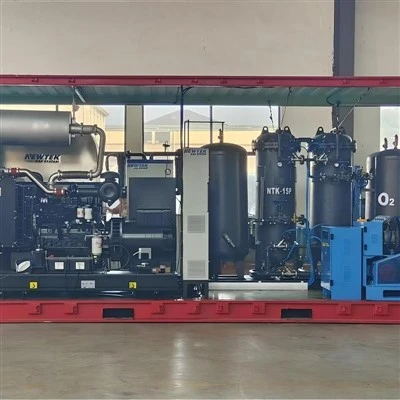
Modular and Scalable Design: Systems are available in skid-mounted, containerized, and modular configurations, with flow rates ranging from 1.9 Nm³/hr to 300 Nm³/hr, adaptable to small-scale medical use and large industrial projects.
Energy Optimization: Intelligent pressure cycling and heat recovery systems reduce power consumption by up to 30% compared to traditional cryogenic distillation methods, aligning with global energy efficiency goals.
Rugged Environmental Adaptability: Engineered to operate in extreme conditions, from polar cold to tropical humidity, with temperature tolerance and corrosion-resistant components.


Direct Impacts of Climate Change on PSA Technology Performance
Temperature Fluctuations and Operational Efficiency
Climate change-induced temperature extremes pose significant challenges to PSA system performance:
High-Temperature Environments: Rising ambient temperatures in tropical and subtropical regions (Southeast Asia, Africa) can degrade zeolite adsorption capacity. At temperatures exceeding 40°C, oxygen-nitrogen separation efficiency may decrease by 10–15%, requiring increased energy input to maintain purity levels. NEWTEK addresses this through:
Heat-resistant adsorbent coatings that stabilize molecular sieve activity at elevated temperatures.
Integrated cooling systems with adaptive fans and heat exchangers, reducing operational temperature by 8–12°C.
Extreme Cold Conditions: In polar or high-altitude regions, freezing temperatures can cause moisture condensation in adsorption beds, leading to reduced flow rates and potential system blockages. NEWTEK's solutions:
Preheating modules that maintain air intake temperatures above freezing.
Moisture-resistant zeolite formulations that minimize water adsorption interference.
Humidity and Moisture Challenges
Increased global humidity levels, particularly in coastal and tropical areas, impact PSA system reliability:
Moisture-Induced Adsorbent Degradation: High humidity (RH >80%) can saturate zeolite beds, reducing oxygen yield and increasing maintenance frequency. NEWTEK's countermeasures:
Advanced pre-filtration systems with desiccant dryers, reducing inlet air humidity to <50% RH.
Waterproof housing and sealed adsorption towers to prevent moisture ingress.
Corrosion Risks: Saltwater-laden air in coastal zones accelerates corrosion of metal components. NEWTEK employs:
Stainless steel and composite materials for critical parts, extending component lifespan by 50%.
Anti-corrosion coatings compliant with marine-grade standards (ISO 12944).
Extreme Weather and System Durability
Climate change intensifies extreme weather events, challenging PSA system resilience:
Cyclones and High Winds: Containerized PSA units in coastal areas face increased wind loads. NEWTEK's designs feature:
Reinforced structural frames meeting hurricane-resistant standards (ASCE 7).
Anchoring systems for secure installation in high-wind zones.
Flooding and Waterlogging: Low-lying installations are at risk of water damage. NEWTEK offers:
Raised skid bases and waterproof electrical enclosures, compliant with IP65 standards.
Remote monitoring systems to detect water intrusion and trigger emergency shutdowns.
Market Demand and Policy Shifts
Rising Demand in Climate-Sensitive Sectors
Climate change drives increased reliance on PSA technology in key industries:
Renewable Energy Integration: PSA oxygen generators are critical for hydrogen production via water electrolysis, a growing sector as nations transition to green energy. NEWTEK's systems support hydrogen refueling stations and ammonia synthesis for carbon-free fuel production.
Agriculture and Aquaculture: Warmer waters and changing rainfall patterns boost demand for oxygen in aquaculture ponds (to prevent fish die-offs) and greenhouse farming (to enhance plant respiration). NEWTEK's modular systems enable on-site oxygen generation for remote farms and fisheries.
Wastewater Treatment: Elevated temperatures accelerate microbial activity in wastewater, increasing oxygen demand for aerobic treatment processes. NEWTEK's high-flow PSA units are deployed in urban wastewater plants to meet stricter effluent standards.
Policy-Driven Market Expansion
Global climate policies create favorable conditions for PSA technology:
Carbon Emission Reductions: PSA's lower energy consumption (1.5–2.5 kWh/Nm³ vs. 3–5 kWh/Nm³ for cryogenic methods) aligns with national decarbonization targets:
China's "Double Carbon" goal incentivizes industrial users to adopt PSA systems, with subsidies covering 15–20% of installation costs.
EU's Emissions Trading System (ETS) makes PSA's lower carbon footprint financially attractive for manufacturers.
Resilience Infrastructure Investment: Governments prioritize climate-resilient technologies:
Mobile PSA oxygen units for disaster relief during heatwaves or pandemics, as seen in NEWTEK's deployments in African medical centers.
Off-grid PSA systems for remote communities affected by erratic energy grids.
Supply Chain and Resource Challenges
Climate-related disruptions impact PSA technology supply chains:
Raw Material Volatility: Extreme weather affects zeolite production (droughts in mining regions). NEWTEK mitigates this by:
Diversifying raw material sources across multiple regions.
Developing synthetic zeolites from industrial by-products, reducing dependency on natural minerals.
Logistics Disruptions: Port closures and extreme weather delays impact equipment delivery. NEWTEK's strategies:
Regional manufacturing hubs in Southeast Asia, Africa, and Latin America to reduce shipping distances.
Pre-positioned spare parts in climate-resilient warehouses.
Technological Innovations to Address Climate Challenges
NEWTEK invests in R&D to develop climate-adaptive adsorption technologies:
Temperature-Resistant Zeolites: Engineered to maintain adsorption efficiency at 50–60°C, reducing the need for active cooling. These materials show 20% higher oxygen yield in high-temperature tests compared to standard zeolites.
Hydrophobic Adsorbents: Coated with super-hydrophobic layers to repel moisture, enabling operation in 90% RH environments without performance degradation.
Digital solutions optimize PSA operation under climate variability:
AI-Powered Predictive Control: Machine learning algorithms adjust cycle times and pressure profiles based on real-time weather data, improving energy efficiency by 10–15% in fluctuating conditions.
Renewable Energy Integration: Hybrid PSA systems that switch between grid power and solar/wind energy, featuring energy storage buffers to maintain continuous operation during intermittent renewable supply.
Flexible designs adapt to climate-disrupted environments:
Containerized Mobile Units: Quick-deploy systems for emergency oxygen supply during heatwaves or natural disasters, as demonstrated in NEWTEK's 2023 deployment in a flood-affected region of India.
Modular Expandability: Systems that can be incrementally scaled as climate-driven demand grows, reducing upfront investment and waste.
Climate-Adaptive PSA Deployments
PSA Oxygen Plants in Tropical Mining
Challenge: Gold mines experience reduced PSA efficiency when the ambient temperature is over 35°C and the humidity is high.
NEWTEK Solution: Installed a containerized PSA system with:
Heat-exchange pre-coolers to maintain adsorbent temperature at 25°C.
Dual-stage moisture filtration, reducing inlet humidity from 85% to 40%.
Outcome: Oxygen purity stabilized at 93%±3%, energy consumption reduced by 18%, and maintenance intervals extended from 3 months to 6 months.
Medical Oxygen Systems in Coastal Areas
Challenge: A hospital in Bangladesh required reliable oxygen during cyclones and monsoons.
NEWTEK Solution: Deployed a skid-mounted PSA unit with:
Hurricane-rated anchoring and waterproof enclosures.
Backup power integration for grid outages.
Outcome: Uninterrupted oxygen supply during cyclone seasons, supporting 200+ beds without reliance on cylinder deliveries.
Wastewater Treatment in Arid Regions
Challenge: A wastewater plant in Saudi Arabia needed increased oxygen for aerobic treatment amid rising temperatures.
NEWTEK Solution: Installed a high-flow modular PSA system with:
Evaporative cooling to reduce adsorption bed temperature by 15°C.
Solar-powered auxiliary fans for energy efficiency.
Outcome: 25% higher oxygen delivery at 45°C, meeting stricter effluent standards without increased energy use.
Future Trends in Climate-Resilient PSA Technology
PSA technology is being adapted for co-generation of oxygen and carbon dioxide capture, supporting industrial decarbonization:
Post-Combustion Capture: PSA systems modified to adsorb CO₂ alongside nitrogen, enabling low-cost carbon capture from power plants.
Biogas Upgrading: Removal of CO₂ from anaerobic digester gas, producing pipeline-quality biomethane.
Innovative cycle designs to minimize climate impact:
Pressure-Energy Recovery: Hydraulic systems that recycle compression energy, reducing specific power consumption to <1.2 kWh/Nm³.
Pulse Adsorption: Short-cycle operations that increase oxygen production rates by 30% in fluctuating temperature conditions.
Sustainability-focused PSA system designs:
Recyclable Adsorbents: Zeolites that can be regenerated or repurposed at end-of-life, reducing waste.
Second-Life Repurposing: Used PSA components adapted for other gas separation applications, extending product lifecycles.
PSA Technology as a Climate Adaptation Tool
Climate change presents dual challenges and opportunities for PSA technology, with NEWTEK (Hangzhou) Energy Technology Co., Ltd. at the forefront of adaptive solutions. By addressing operational inefficiencies in extreme climates, aligning with global decarbonization policies, and investing in innovative materials and designs, PSA systems are evolving into critical tools for climate resilience.
As industries and governments prioritize emission reduction and operational stability in a changing climate, PSA technology's energy efficiency, scalability, and adaptability position it as a cornerstone of sustainable infrastructure. NEWTEK's ongoing R&D and global deployments demonstrate how PSA systems can withstand climate challenges and enable sectors to thrive in a low-carbon future.
For organizations seeking climate-resilient gas generation solutions, NEWTEK's PSA oxygen generators offer a proven combination of technical innovation, environmental responsibility, and operational reliability.