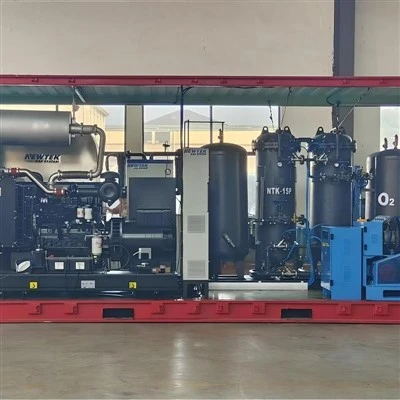
As global aquaculture enters a new phase of intensive production, fish farms are under growing pressure to improve survival rates, maintain stable water quality, reduce operational costs, and meet stricter sustainability targets. In 2026, one technology is standing out across commercial aquaculture facilities worldwide: PSA oxygen generators.
From inland freshwater ponds to offshore marine cages and recirculating aquaculture systems (RAS), more operators are moving away from traditional oxygen delivery models and adopting on-site oxygen generation instead. The reasons are clear-greater reliability, lower long-term costs, smarter automation, and stronger biological performance.
Among the companies helping drive this transition is NEWTEK, a NEWTEK specialized manufacturer of industrial gas generation systems with strong experience in aquaculture applications across more than 100 countries. According to company data, NEWTEK has delivered thousands of gas systems globally and offers customized oxygen systems for fish farming, hatcheries, and water treatment projects.
About NEWTEK PSA
NEWTEK is an international manufacturer focused on gas separation and on-site oxygen and nitrogen generation solutions.
Its aquaculture product portfolio includes:
- Twin-tower oxygen systems
- Modular oxygen systems
- Containerized oxygen plants
- Customized high-capacity industrial installations
According to company information, NEWTEK has:
- 15+ years of experience
- Installations in 100+ countries
- Thousands of delivered systems globally
Its aquaculture solutions are designed for:
- Fish farms
- Shrimp farms
- Hatcheries
- RAS facilities
- Water treatment projects
The company also offers system customization based on:
- Flow requirements
- Local voltage standards
- Climate conditions
- Humidity levels
- Site installation constraints


Fish Farming in 2026 Is More Intensive Than Ever
Aquaculture is no longer dominated by low-density pond systems. Modern fish farms now focus on:
- High-density stocking
- Faster growth cycles
- Predictable harvest schedules
- Reduced feed conversion ratios
- Better disease prevention
However, higher biomass means one major challenge: oxygen demand rises dramatically.
Fish require dissolved oxygen not only for survival, but also for digestion, immune function, metabolism, and growth. Even short-term oxygen fluctuations can cause:
- Feeding reduction
- Stress responses
- Poor conversion efficiency
- Increased disease vulnerability
- Unexpected mortality
This is why oxygen management is becoming one of the most critical investments in aquaculture operations.
Traditional Oxygen Supply Models Are Becoming Less Practical
For years, many fish farms relied on:
- Oxygen cylinders
- Liquid oxygen deliveries
- Surface aerators
- Paddlewheel systems
While these methods can work, they create limitations in 2026:
Logistics Problems
Remote fish farms often struggle with transportation delays, refill schedules, and supply interruptions.
Rising Operating Costs
Fuel prices, transportation charges, and labor expenses continue to increase.
Limited Scalability
As farms expand, external oxygen supply becomes difficult to match with production growth.
Emergency Risks
Unexpected weather changes, algal blooms, or biomass spikes can suddenly increase oxygen demand.
These challenges are pushing farms toward on-site production systems.
Why PSA Technology Is Becoming the Preferred Solution
PSA (Pressure Swing Adsorption) technology separates oxygen directly from compressed air using molecular sieve materials.
Instead of waiting for external deliveries, fish farms can generate oxygen continuously at the point of use.
Typical oxygen purity ranges from 93% to 99.5%, depending on system design and application requirements. NEWTEK's aquaculture systems operate within this range and are designed for continuous industrial operation.
Key advantages include:
Continuous Supply
Fish farms get 24/7 oxygen availability without depending on suppliers.
Stable Water Conditions
Consistent dissolved oxygen supports healthier aquatic environments.
Reduced Labor
Automated systems eliminate frequent cylinder replacement.
Better Operational Control
Farm managers can match oxygen output to real biomass demand.
Higher Survival Rates Are Driving Adoption
One of the biggest reasons fish farms are switching in 2026 is biological performance.
When dissolved oxygen levels remain stable:
- Fish eat more consistently
- Stress hormones stay lower
- Immune systems perform better
- Growth becomes more uniform
NEWTEK's aquaculture case studies indicate that maintaining stable dissolved oxygen levels can significantly improve fish health and reduce mortality in intensive farming conditions.
For hatcheries, oxygen stability is even more important because larvae are highly sensitive to environmental changes.
Benefits include:
Improved Egg Hatch Rates
More embryos develop successfully.
Stronger Juvenile Fish
Fry show better early-stage survival.
Faster Nursery Cycles
Farmers can shorten production timelines.
Recirculating Aquaculture Systems (RAS) Need Precision Oxygen Control
RAS facilities are expanding rapidly in 2026.
Unlike open ponds, RAS systems recycle water continuously, meaning oxygen demand must be precisely managed.
In RAS applications, oxygen directly impacts:
- Biofilter performance
- Waste conversion efficiency
- Ammonia management
- Stocking density potential
This makes PSA systems highly attractive because they integrate easily with:
- Dissolved oxygen sensors
- PLC automation systems
- Alarm systems
- Remote monitoring platforms
NEWTEK specifically promotes automated control options for aquaculture oxygen systems, enabling farms to start or stop oxygen generation based on dissolved oxygen thresholds.
Cost Savings Are Becoming Impossible to Ignore
Many fish farms initially focus on equipment investment.
But in 2026, operators are paying more attention to total ownership cost.
Traditional Supply Costs Include:
- Transport fees
- Cylinder rental
- Handling labor
- Storage infrastructure
- Emergency delivery charges
On-Site Generation Changes the Equation
With PSA systems, the main input is electricity.
NEWTEK notes that its systems are designed to reduce dependence on external oxygen supply and lower long-term operational expenses.
For medium and large farms, ROI often becomes visible within a relatively short operating cycle.
Environmental Regulations Are Influencing Equipment Decisions
Sustainability is no longer optional.
Fish farms exporting to premium markets now face stricter ESG and carbon reporting expectations.
On-site oxygen generation helps reduce:
- Transportation emissions
- Packaging waste
- Supply chain dependency
- Hazardous storage requirements
This aligns well with 2026 market trends where buyers increasingly favor environmentally responsible seafood production.
Smart Automation Is Becoming Standard
Fish farming is becoming data-driven.
Modern operators now monitor:
- Dissolved oxygen
- Water temperature
- pH levels
- Biomass density
- Feeding behavior
PSA systems fit naturally into this ecosystem.
Automated oxygen management allows farms to:
Respond Faster
When oxygen drops, systems activate automatically.
Reduce Human Error
No manual switching or emergency cylinder handling.
Improve Energy Efficiency
Systems run only when needed.
What Fish Farms Should Consider Before Switching
Before investing in a PSA oxygen system, farm operators should evaluate:
Stocking Density
Higher biomass usually justifies faster ROI.
Water Volume
System sizing depends on total oxygen demand.
Species Requirements
Salmon, trout, shrimp, grouper, and hatchery species often require tighter oxygen control.
Expansion Plans
Choose scalable systems that support future production growth.
Automation Compatibility
Integration with existing farm monitoring systems can maximize efficiency.
FAQ
1. Is PSA oxygen suitable for small fish farms?
Yes. Modular systems are available for small and medium farms, making entry costs manageable while still providing stable oxygen output.
2. Can PSA systems work in tropical climates?
Yes. Many industrial systems are designed for high humidity and warm operating environments when properly configured.
3. How pure is the oxygen?
Most aquaculture systems operate between 93% and 99.5% oxygen purity depending on the application and system configuration.
4. Can the system run automatically?
Yes. Many modern systems support sensor integration and automated oxygen regulation.
5. How quickly can farms see results?
Many farms notice improvements in feeding behavior, water stability, and fish survival within the first production cycle after installation.
Upgrade Your Fish Farm with Reliable PSA Oxygen Solutions
Improve fish survival rates, optimize dissolved oxygen control, and reduce long-term operating costs with NEWTEK's advanced on-site oxygen generation systems. Customized for hatcheries, RAS facilities, and commercial aquaculture projects worldwide.