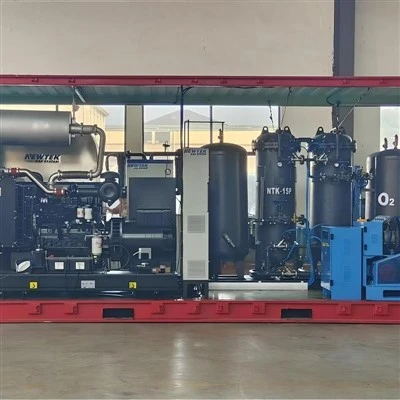
In healthcare facilities, a reliable and cost-effective oxygen supply is critical for patient care. Traditional methods like liquid oxygen tanks or cylinder delivery often come with high operational costs, logistical challenges, and safety risks. Onsite medical oxygen generators, such as those offered by NEWTEK, are revolutionizing oxygen production by providing a sustainable, efficient, and affordable alternative. This article explores how these generators work, their applications in hospitals, and the measurable benefits they bring to healthcare institutions.

Technical Principles of Onsite Oxygen Generation
PSA vs. VPSA Technology
Onsite oxygen generators primarily use Pressure Swing Adsorption (PSA) or Vacuum Pressure Swing Adsorption (VPSA) technology to extract oxygen from ambient air. Both methods rely on molecular sieves (zeolites) that adsorb nitrogen and other impurities, leaving oxygen to be collected. PSA operates at higher pressures (0.2–0.5 MPa) and is ideal for smaller-scale applications, while VPSA uses lower pressures (20–50 kPa) with a vacuum pump for more efficient nitrogen desorption, making it suitable for larger hospitals.
Air Filtration and Compression
The process begins with air intake, where filters remove dust, moisture, and pollutants. Compressors then pressurize the air before it enters the adsorption towers. In PSA systems, two towers alternate between adsorption and desorption cycles, ensuring continuous oxygen supply. VPSA systems add a vacuum step to enhance nitrogen removal, improving energy efficiency.
Oxygen Purity and Monitoring
Modern generators produce oxygen with purity ≥93% (for general use) or ≥99.5% (for critical care), meeting strict medical standards like GB 8982-2009 and USP 药典. Built-in sensors monitor oxygen concentration, pressure, and flow rates, ensuring consistent quality and safety.
Cost-Effectiveness Analysis
Initial Investment vs. Long-Term Savings
While the upfront cost of installing an onsite generator (e.g., $50,000–$200,000) may seem high, it eliminates recurring expenses for liquid oxygen or cylinder refills. For example, Zhumadian First People's Hospital in China reduced oxygen procurement costs by 70% after switching to a 15 m³/h PSA system. Over 5–10 years, savings often exceed the initial investment.
Reduced Logistics and Storage Costs
Traditional methods require regular deliveries and storage of heavy tanks, which involve transportation fees, space allocation, and safety compliance. Onsite generators eliminate these costs, as oxygen is produced on demand. Hospitals using VPSA systems also save on liquid oxygen storage infrastructure, which can be repurposed for other needs.
Energy Efficiency and Operational Expenses
PSA generators consume 1.5–2.5 kWh per cubic meter of oxygen, while VPSA systems are even more efficient, especially in large-scale setups. With advancements in technology, newer models integrate smart controls to optimize energy usage during low-demand periods. Maintenance costs are minimal, with filters and replacements every 3–5 years.

Oxygen Production Unit

Psa in Oxygen Plant
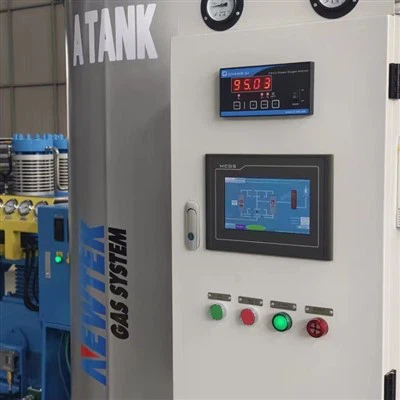
Oxygen Gas Generation Plant

Oxygen Plant Machine
Applications in Healthcare Settings
Hospitals and Clinics
Onsite generators are widely used in emergency departments, ICUs, and surgical units. For instance, Anhui Provincial Children's Hospital adopted a BOT (Build-Operate-Transfer) model with VPSA technology, ensuring a stable oxygen supply for 400+ beds while reducing fire safety risks associated with liquid oxygen tanks.
Remote and Rural Areas
In regions with limited infrastructure, onsite generators provide a reliable oxygen source. A rural clinic in India using a 5 m³/h PSA system reported a 90% reduction in oxygen-related downtime compared to cylinder deliveries.
Emergency Preparedness
During pandemics or natural disasters, onsite generators ensure continuity of care. Hospitals in earthquake-prone areas have integrated generators with backup power systems to maintain oxygen supply during outages.
Performance and Safety Features
Reliability and 24/7 Operation
Modern generators are designed for continuous use, with redundant components to prevent failures. For example, the VPSA system at Anhui Provincial Children's Hospital operates with minimal downtime, supported by remote monitoring via a mobile app.
Compliance with Medical Standards
Generators like NEWTEK's models adhere to ISO 8359 and ASTM F1464 standards, ensuring oxygen purity and safety. They also meet fire safety regulations by eliminating high-pressure storage risks.
Maintenance and Lifespan
Regular maintenance includes filter checks (weekly) and Molecular sieve replacements (every 3–5 years). With proper care, generators can operate efficiently for 10–15 years, offering a high return on investment.
Case Studies
Zhumadian First People's Hospital
This Chinese hospital replaced cylinder-based oxygen with a 15 m³/h PSA system. The switch reduced annual oxygen costs from $280,000 to $84,000, while eliminating storage and transportation hassles.
Anhui Provincial Children's Hospital
By adopting a BOT-model VPSA system, the hospital achieved 99.5% oxygen purity, eliminated liquid oxygen storage risks, and saved $120,000 annually in operational costs. The system also supports future bed expansions without additional infrastructure.
Small Rural Clinic
A clinic in Nigeria installed a 3 m³/h PSA generator, cutting oxygen costs by 60%. The compact design required minimal space and reduced dependency on unreliable cylinder suppliers.
Conclusion
Onsite medical oxygen generators, such as those offered by NEWTEK, provide a cost-effective, reliable, and sustainable solution for healthcare facilities. By leveraging PSA or VPSA technology, hospitals can reduce operational costs, enhance safety, and ensure uninterrupted oxygen supply. With proven benefits in diverse settings-from large urban hospitals to remote clinics-these generators are transforming oxygen management in healthcare. For tailored solutions, visit NEWTEK's website to explore how their advanced systems can meet your institution's needs.
FAQ
Q1: How do onsite oxygen generators compare to liquid oxygen tanks?
A: Onsite generators eliminate transportation and storage costs, reduce safety risks, and offer continuous oxygen supply. While initial costs are higher, long-term savings often outweigh expenses.
Q2: What is the typical lifespan of a medical oxygen generator?
A: With regular maintenance, generators can operate for 10–15 years. Key components like molecular sieves can last for 3-5 years.
Q3: Can onsite generators meet high-purity oxygen requirements for critical care?
A: Yes. VPSA systems can produce oxygen ≥99.5%, suitable for ICUs and surgical units.
Q4: How much energy do these generators consume?
A: PSA systems use 1.5–2.5 kWh/m³, while VPSA is more efficient, especially in large-scale setups.
Q5: Are there financing options for hospitals?
A: Yes. Models like BOT (Build-Operate-Transfer) allow hospitals to pay based on oxygen usage, reducing upfront costs.