In modern intensive aquaculture, oxygen is no longer just a supporting input-it is a core production resource that directly determines stocking density, survival rate, and system stability. As fish farming shifts toward higher density, Recirculating Aquaculture Systems (RAS), and precision water management, operators are increasingly comparing two main oxygen supply methods: PSA oxygen generation systems and oxygen cylinders.
While both solutions can deliver oxygen into aquaculture systems, their long-term economic structure, operational risks, and scalability are fundamentally different. In 2026, more commercial farms are making strategic investments in PSA oxygen systems due to their lower operating cost and higher system independence.
NEWTEK Company Introduction (Focused on PSA Oxygen Systems)
NEWTEK is a professional manufacturer specializing in industrial gas separation technology, with a strong focus on aquaculture oxygen supply systems.
Through its engineering and manufacturing platform, NEWTEK provides:
- PSA oxygen generation systems for fish farms
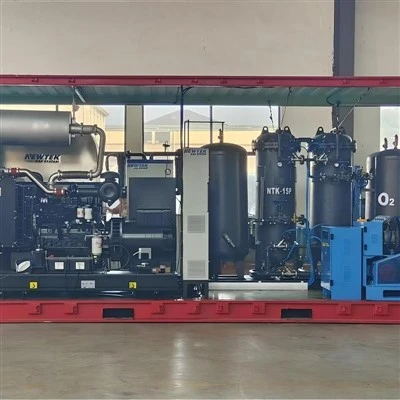
- Modular and containerized oxygen solutions
- Custom-designed systems for hatcheries and RAS facilities
- Automated oxygen control integration solutions
The company's systems are widely applied in fish farming, shrimp farming, hatcheries, and water treatment projects globally, supporting high-density aquaculture operations with stable oxygen supply infrastructure.
NEWTEK emphasizes on-site oxygen production systems designed to replace cylinder-based supply models, helping farms reduce dependency on external oxygen logistics and improve long-term operational stability.
👉 https://www.newtekgas.com/
Oxygen Demand in Intensive Aquaculture: Why Cost Comparison Matters
Aquaculture oxygen consumption is highly dynamic and unpredictable. Unlike industrial gas usage, fish farming oxygen demand changes throughout the day and across production cycles.
Key demand drivers include:
- Biomass density growth
- Feeding cycles and metabolic peaks
- Nighttime respiration increases
- Temperature fluctuations
- Biofilter microbial activity (in RAS systems)
When oxygen supply fails to match demand, farms face:
- Reduced feeding efficiency
- Stress responses in fish
- Slow growth rates
- Disease susceptibility
- Sudden mortality events
Because of these risks, oxygen supply is not just a cost factor-it is a production stability factor.
What Are Oxygen Cylinders in Aquaculture?
Oxygen cylinders are high-pressure storage containers filled externally and transported to aquaculture sites. They are widely used for:
- Small farms
- Temporary operations
- Emergency oxygen backup
- Fish transport tanks
However, cylinders represent a logistics-based oxygen supply model, meaning oxygen availability depends entirely on external delivery systems.
Key operational characteristics:
- Fixed oxygen volume per cylinder
- Requires frequent replacement
- Dependent on supplier logistics
- Manual handling and inventory tracking
- Storage space requirements
While cylinders are simple in concept, they become complex and expensive at scale.
What Is a PSA Oxygen Generator System?
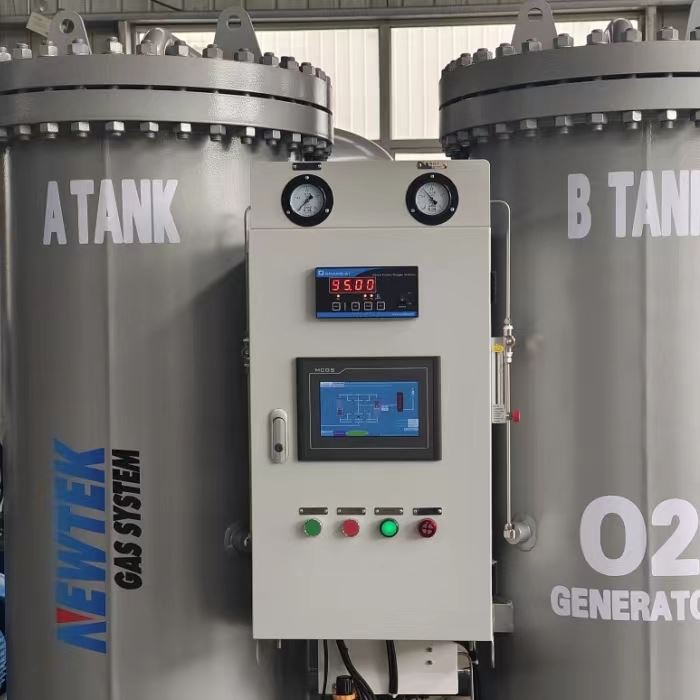
A PSA oxygen system produces oxygen directly on-site using atmospheric air separation technology. It continuously supplies oxygen based on demand, making it an integrated infrastructure component of aquaculture facilities.
According to industrial aquaculture engineering references, PSA systems typically produce oxygen purity levels of around 90–95%, suitable for fish farming and RAS applications.
Key operational features:
- Continuous oxygen production
- Automated control with sensors
- Modular capacity scaling
- Integration with dissolved oxygen systems
- Designed for 24/7 operation
Instead of purchasing oxygen repeatedly, farms generate it as needed.


Cost Structure Comparison: PSA vs Oxygen Cylinders
To understand cost-effectiveness, we must break down total cost of ownership (TCO), not just purchase price.
Oxygen Cylinder Cost Structure
Cylinder systems typically include:
- Cylinder purchase or rental
- Oxygen refill cost
- Transportation fees
- Loading/unloading labor
- Storage infrastructure
- Emergency delivery premiums
Hidden cost drivers:
- Price fluctuations from suppliers
- Delivery delays during peak demand
- Losses from oxygen shortage events
- Labor dependency for replacement cycles
At scale, these costs increase linearly-or even exponentially.
PSA Oxygen Generator Cost Structure
PSA systems include:
- Initial equipment investment
- Electricity consumption
- Routine filter and maintenance costs
- Minimal operator involvement
Key advantage:
Once installed, oxygen production cost is mainly electricity-based, making cost per unit oxygen significantly more stable over time.
Industry data shows PSA systems can reduce oxygen supply operating costs significantly compared with cylinder-based systems.
Operational Cost Comparison in Real Aquaculture Conditions
Oxygen Cylinders
Cost behavior:
- High recurring expenses
- Costs increase with production scale
- Logistics-dependent pricing
- Emergency price spikes possible
As farms grow, oxygen becomes one of the largest operational consumables.
PSA Oxygen Systems
Cost behavior:
- High initial investment
- Low and predictable operating cost
- No delivery dependency
- Stable long-term cost structure
In many aquaculture operations, PSA systems reduce oxygen-related operational expenses by eliminating transport and refill cycles entirely.
Reliability and Survival Rate Impact
Cost-effectiveness is not only financial-it is biological.
Oxygen Cylinders Risks:
- Supply delays during storms or logistics disruptions
- Unexpected depletion during peak demand
- Human error in inventory tracking
- Inconsistent oxygen availability
These risks directly affect fish survival rates.
PSA System Advantages:
- Continuous oxygen availability
- Automated response to dissolved oxygen drops
- Real-time adjustment based on fish demand
- Reduced risk of oxygen crash events
According to aquaculture engineering analysis, PSA systems are better aligned with continuous biological oxygen demand patterns in intensive farming systems.
Scalability: Why Cylinders Fail in Large-Scale Farms
As aquaculture expands, oxygen demand increases non-linearly.
Cylinder system limitations:
- More fish = more cylinders
- Storage space becomes a constraint
- Logistics complexity increases
- Labor requirements rise significantly
At a certain scale, cylinder systems become operationally unmanageable.
PSA system advantage:
- Modular expansion design
- Capacity can be increased with farm growth
- No dependence on external oxygen supply chain
- Suitable for industrial-scale RAS systems
This makes PSA systems structurally better suited for modern intensive aquaculture.
Environmental and Safety Considerations
Cylinder systems:
- High-pressure gas handling risks
- Transportation emissions
- Frequent logistics movement
- Storage safety requirements
PSA systems:
- On-site production reduces transportation
- Lower carbon footprint from logistics elimination
- No high-frequency cylinder handling
- Safer long-term operation environment
This aligns with the increasing sustainability requirements in global seafood production.
Where Each System Still Makes Sense
Oxygen Cylinders are still suitable for:
- Small-scale farms
- Temporary or seasonal operations
- Emergency backup supply
- Fish transport systems
PSA Oxygen Systems are suitable for:
- Intensive aquaculture farms
- RAS facilities
- Hatcheries
- Shrimp farming systems
- High-density commercial fish production
The trend in 2026 clearly shows PSA systems becoming the primary infrastructure choice, while cylinders shift into backup roles.
Long-Term ROI Perspective
When evaluating long-term return on investment:
Oxygen Cylinders:
- Low initial investment
- High lifetime cost
- Dependency on external supply
- Higher operational risk
PSA Oxygen Systems:
- Higher initial investment
- Strong long-term cost reduction
- Stable production planning
- Improved survival rates and feed efficiency
Over multi-year operation cycles, PSA systems typically outperform cylinder-based systems in total cost efficiency and production stability.
Build a More Stable Aquaculture System with PSA Oxygen Technology
Reduce oxygen supply risks, improve system stability, and support high-density aquaculture production with advanced PSA oxygen systems from NEWTEK. Designed for fish farms, shrimp farming, hatcheries, and RAS facilities worldwide.