Why Choose Us?
Rich Experience
NEWTEK is the LARGEST supplier and Manufacturer of PSA oxygen and nitrogen gas generators in China. We have been in continuously R&D for the on-site gas generators since 1987.
Reliable Product Quality
Our long experience in advanced O2 and N2 generators designing and customization ensures the high energy saving,high quality and lowest investment cost for the client in market worldwide.
Wide Range of Applications
NEWTEK provides custom oxygen and nitrogen generator solutions to a wide range of industries. Whether it is wastewater treatment, mining, fish farming, healthcare, tire inflation or laser cutting, we can design and customize cost-effective solutions.
Reliable Product Quality
Our solutions range from oxygen/nitrogen generation units, modular oxygen units to containerized units with built-in air conditioning, all of which can include our innovative NTK series generators - basically whatever your requirements are, we can imagine, design and build your solution in our custom manufacturing environment.

Nitrogen is a colorless, odorless inert gas. It is mainly used for isolation protection, container replacement, pipeline purging, etc. in petrochemical production. The industrial production of high-purity nitrogen mainly adopts the cryogenic production method.

The technology of air-to-nitrogen production with the use of adsorption processes in nitrogen generators is well studied and widely applied at industrial facilities for the recovery of high-purity nitrogen.

It uses the principle of pressure swing adsorption to make the carbon molecular sieve full of micropores selectively adsorb gas molecules, and obtains a new nitrogen production technology with 98.00% to 99.99% nitrogen.

Large-scale industrial nitrogen production generally adopts the traditional cryogenic method, that is, first deep-cold and liquefy the air, and then distill, separate and extract the oxygen, nitrogen and other components through the different boiling points of the components in the air.

Nitrogen Generators for Industrial Applications
The main features of nitrogen generators produced by this technology are simple control, fast speed from startup to nitrogen output, and continuous nitrogen supply using dual towers, which are more suitable for industrial applications such as tire production.

Compared with traditional nitrogen production methods, it has the characteristics of simple process flow, high degree of automation, fast gas production, convenient operation and maintenance, low operating cost, and strong adaptability of the device.

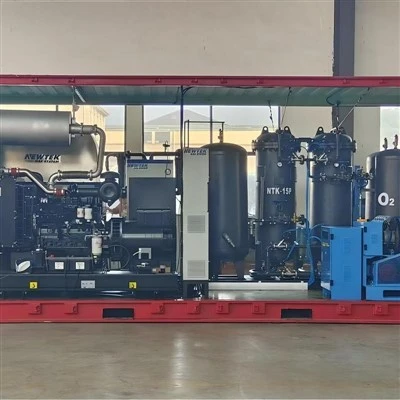
Container type nitrogen plant is a device that can produce nitrogen in a mobile state, usually composed of a container and nitrogen production equipment. It mainly separates oxygen and other impurities in the air through compressed air and separation and purification process to produce high-purity nitrogen.

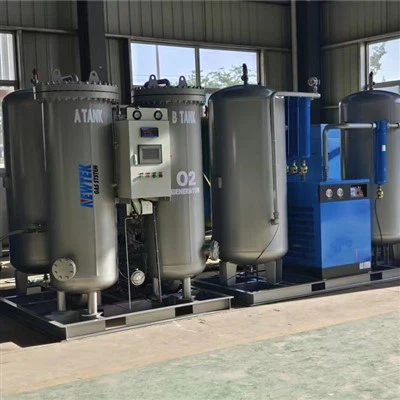
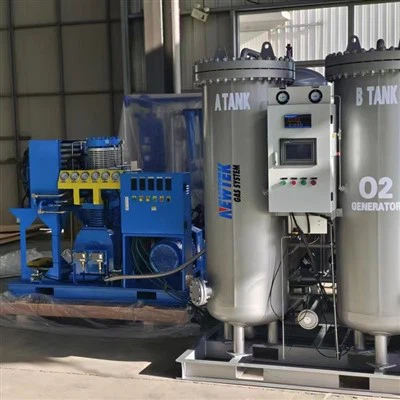
PSA nitrogen generator is a device used to generate high-purity nitrogen from compressed air. Its working principle is based on the principle of Pressure Swing Adsorption (PSA). It is mainly composed of an intake system, an adsorber, a gas tank and a control system.

Containerized PSA Nitrogen Generator
The advantages of producing your own nitrogen are clear compared to purchasing it. You can control the gas supply at a lower cost and with a lower emissions footprint, and reduce logistical issues and safety concerns.
Advantages of Modular Nitrogen Generator
Modularity/Scalability
The modular design allows easy upgrade and expansion of system capacity by simply adding additional "modules" or "components". Our equipment can be expanded synchronously with the growth of your business needs!
Multi-stage filtration protection
Equipped with the most advanced multi-stage filtration system on the market today, it effectively prevents contaminants in compressed air from damaging the equipment and ensures long-term trouble-free operation.
Ultra-efficient energy saving
PSA nitrogen generators lead the industry in energy efficiency and have the best air/nitrogen conversion rate. Intelligent control systems can optimize operating efficiency in real time for variable flow scenarios.
Industry 4.0 connectivity
Be fully prepared for the era of Industry 4.0. You can monitor the operating status of the nitrogen generator in real time from any terminal device and obtain real-time data information related to the facility.
Application of Modular Nitrogen Generator
Food and Beverage Industry
In the food and beverage industry, nitrogen is widely used for food packaging, such as modified atmosphere packaging (MAP) and nitrogen flushing. These methods help extend the shelf life of perishable goods by reducing oxygen levels and preventing spoilage. Modular nitrogen generator systems provide a continuous and reliable nitrogen supply for these applications.
01
Electronics Manufacturing
The electronics industry relies on nitrogen for soldering, reflow ovens, and as a protective gas in the production of electronic components. Nitrogen helps to prevent oxidation and ensures clean and reliable solder joints. Modular nitrogen generator systems offer a cost-effective and efficient solution for generating nitrogen in electronics manufacturing facilities.
02
Pharmaceutical Industry
In the pharmaceutical industry, nitrogen is used for various purposes, including inerting, blanketing, and purging. Nitrogen helps to create an oxygen-free environment, preventing the degradation of sensitive compounds and ensuring product stability. Modular nitrogen generator systems provide a continuous and controlled nitrogen supply for pharmaceutical manufacturing processes.
03
Chemical Industry
The chemical industry utilizes nitrogen for blanketing and purging applications to prevent the formation of explosive mixtures and protect sensitive chemicals from degradation. Modular nitrogen generator systems offer a safe and reliable nitrogen supply for chemical processes, eliminating the need for hazardous storage and transportation of nitrogen cylinders.
04
Automotive Industry
Nitrogen is used in the automotive industry for tire inflation. Nitrogen-filled tires offer benefits such as improved tire life, better fuel efficiency, and enhanced safety. Modular nitrogen generator systems provide a convenient and cost-effective solution for tire shops and automotive service centers to generate nitrogen on-site.
05
Components of Modular Nitrogen Generator
Air Compressor
The first component of a modular nitrogen generator system is an air compressor. The air compressor takes in ambient air and compresses it to a specific pressure, typically between 7 to 10 bar. This compressed air serves as the feedstock for the nitrogen generation process.
Air Treatment
Before entering the nitrogen generation process, the compressed air needs to go through a series of treatments. This includes filtration to remove particles, drying to remove moisture, and sometimes cooling to reduce the temperature. These treatments ensure the purity and quality of the nitrogen produced.
Air Separation Unit
The heart of the modular nitrogen generator system is the air separation unit (ASU). The ASU utilizes a technology called Pressure Swing Adsorption (PSA) or Membrane Separation to separate nitrogen from the compressed air. The ASU consists of adsorption columns or membrane modules that selectively adsorb oxygen and trace gases, allowing nitrogen to pass through.
Modular Nitrogen Generators Specifications
Modular nitrogen generators can vary in size, production capacity, gaseous product purity, and discharge pressure. In other respects, the equipment package is standardised and characterised by common specifications. The plant standardised module consists of the following key items:
● A compressor to compress the incoming atmospheric air;
● A filtration system;
● A gas separation unit to produce nitrogen with a purity of up to 99.9995%;
● Receivers, etc.
Automatic ventilation, heating, fire suppression, interior and emergency lighting systems, etc., are installed inside the modular nitrogen generation plant. The entire package ensures reliable, trouble-free and long-lasting operation of the plant.

How Modular Nitrogen Generators Work
PSA nitrogen generators operate on the Pressure Swing Adsorption (PSA) principle to produce a continuous stream of nitrogen gas from compressed air. Pairs of extruded aluminum columns are filled with carbon molecular sieve (CMS). Pretreated compressed air enters the bottom of the on-line column and follows up through the CMS. Oxygen and other trace gasses are preferentially adsorbed by the CMS, allowing nitrogen to pass through. After a pre-set time, the on-line column automatically switches to regenerative mode, venting contaminants from the CMS. Carbon molecular sieve differs from ordinary activated carbons in that it has a much narrower range of pore openings. This allows small molecules such as oxygen to penetrate the pores and be separated from nitrogen molecules which are too large to enter the CMS. The larger molecules of nitrogen by-pass the CMS and emerge as the product gas.
Safety Preparations to Consider for Your Modular Nitrogen Generator System
Proper Ventilation Requirements
Waste or permeate gas that vents out of a modular nitrogen generator is typically 30% – 40 % oxygen and the balance is primarily nitrogen. It does not pose a health and safety risk and immediately dissipates into the atmosphere. Regardless, wherever possible, a modular nitrogen generator should be located in an open, ventilated area. More importantly, most air compressors installed are air cooled and produce significant heat in the cooling process. Proper ventilation is imperative to ensure that heat build up does not adversely effect air compressor operation.
Leak Prevention
Leaks in your compressed air and nitrogen gas piping systems are to be avoided. Leaking piping costs money as compressed air and nitrogen are wasted. All piping systems should be leak tested prior to commissioning a modular nitrogen generator system.
Properly Placed Warning Labels
Warning labels are essential when working in any manufacturing or process facility. They should be prominently placed in plant rooms and on storage vessels containing corrosive or harmful chemicals and substances. Nitrogen gas exposure can be especially physically harmful to personnel, so storage tanks containing it should be properly labelled.
Ambient Room Analyzers
If the modular nitrogen generator must be installed in a confined space, an ambient room analyzer that will sense and report on the ambient oxygen level of the confined space should be installed. If there is a nitrogen leak in the confined space, oxygen levels in this space could fall to levels that are dangerous to human health. Using a sensor that detects oxygen depletion levels in the confined space, ambient room analyzers are connected to an audible and visible alarm unit that alerts personnel if there is too little oxygen in the given area.
Choosing the Right Modular Nitrogen Generator
Purity levels
The purity level of nitrogen is a significant factor as you look to select a modular nitrogen generator. Different industries and processes will require different purity levels. They typically range from 95% to 99.999%. The higher the purity level, the more sophisticated the modular nitrogen generator you will need.
The flow rate
It's important to think about the volume of nitrogen your operation will require. The flow rate is usually measured in standard cubic feet per minute (SCFM) or standard cubic feet per hour (SCFH) and should match closely with your consumption to avoid inefficiencies or shortfalls. PSA generators have a higher flow capacity than membrane generators.
The cost of ownership
It's important to consider the full cost of ownership as you look for a modular nitrogen generator, and not just the cost of the equipment. Think about required maintenance, parts availability, and what happens if your generator will need repairs. Consider potential downtime as well.
Reliability
You'll want a generator more known for reliability in order to avoid downtimes. It's important to read reviews and look for a machine with a track record for reliability and durability.
Size and space
Consider the physical size of the generator and the space available within the facility. You'll want to make sure there is enough room for installation, maintenance, and any potential expansions as your company grows in the future.
Scaling
It's important to consider your future nitrogen needs, too. You'll want a generator that can be scaled up to meet future needs. Some systems offer modular expansion while others may require a complete replacement.
How to Install a Modular Nitrogen Generator
Assess the Site
Determine the optimal location for your modular nitrogen generator, considering factors like ventilation, access for maintenance, and proximity to the point of use. It should be a clean, dry area with adequate space for the generator and any ancillary equipment.
Install Air Compressor (if not already present)
Since modular nitrogen generators require a source of compressed air to function, ensure you have a properly sized air compressor. The air compressor should be capable of meeting the flow and pressure requirements of the modular nitrogen generator for optimal performance.
Set Up the Air Treatment Components
Before the air enters the modular nitrogen generator, it must be clean and dry to prevent damage. Install pre-treatment components such as air dryers and filters as recommended by the modular nitrogen generator manufacturer.
Connect the Modular Nitrogen Generator
After the location and pre-treatment components are in place, physically install the modular nitrogen generator. This step involves securing the unit to the floor (if applicable), connecting the inlet from the air compressor, and attaching the outlet for the nitrogen gas.
Electrical Connections
Ensure that all electrical connections are made safely and in accordance with local codes. This may require a professional electrician to connect the generator to the power supply and configure any necessary control systems.
System Testing and Start-Up
Before full operation, test the system under the supervision of a qualified technician. This includes checking for air leaks, ensuring the air treatment components are functioning correctly, and verifying the purity and flow rate of the nitrogen produced.
Training and Documentation
Provide training for personnel responsible for operating and maintaining the modular nitrogen generator. Ensure that all documentation, including operating manuals and maintenance schedules, is easily accessible.
Ensure Your Compressed Air Supply is Clean and Dry
One of the most important ways to extend the life cycle of your modular nitrogen generator is to ensure your compressed air supply is clean and dry. The most common causes of nitrogen generator premature failure is compressed air contamination from compressor oil or water. Compressed air supplied to a nitrogen generator must be dried to a minimum 40 degree F or 5 degree C dewpoint, typical of what is achieved by a refrigerated type compressed air dryer. All nitrogen generators also require compressed air filtration if using an oil lubricated air compressor. Three stages of compressed air filtration are strongly recommended, a general efficiency coalescing filter, a high efficiency coalescing filter and a final activated carbon filter. This will ensure the compressed air going into the nitrogen generator is technically oil-free and ensure optimal air separation performance.
Strictly Adhere to Recommended Maintenance Schedules
It is very important to carry our routine daily inspection of the nitrogen generating system that only take a minute or two. Check nitrogen purity and check compressed air receiver tanks for signs of visible moisture in the compressed air supply. Longer term the other critical way to ensure many years of optimal nitrogen generator performance is to regularly change the compressed air pre-filtration system filter elements. Changing the filter elements on a regular basis, typically a 8000 operating hour cycle, greatly reduces the risk of introducing compressor oil contamination into membranes or the carbon molecular sieve air separation material in a PSA type nitrogen generator.
Inspect the Gauges and Indicators
It is also important to inspect the gauges and indicators on the modular nitrogen generator on a regular basis. These components can wear or become damaged over time, which can lead to inaccurate readings. By inspecting these components regularly, you can ensure that they are in good working condition and that they accurately reflect the operating status of the nitrogen generator.
Our Factory
NEWTEK is the LARGEST supplier and Manufacturer of PSA oxygen and nitrogen gas generators in China. We have been in continuously R&D for the on-site gas generators since 1987. Our long experience in advanced O2 and N2 generators designing and customization ensures the high energy saving,high quality and lowest investment cost for the client in market worldwide. Engaged in the design, production and sales of PSA oxygen generator, VPSA oxygen generator and other equipment.

Ultimate FAQ Guide to Modular Nitrogen Generator
Hot Tags: modular nitrogen generator, China modular nitrogen generator manufacturers, suppliers, Modular PSA Nitrogen Generators, Nitrogen Generator Module, modular nitrogen plant, Modular Nitrogen Generator